
Living with spinal stenosis can be a daily battle filled with discomfort and limitations. Spinal stenosis often results in chronic pain, numbness, and weakness in the back, legs, or neck. These symptoms can make even the simplest tasks like walking, standing, or sitting for extended periods unbearable. The constant pain and reduced mobility not only affect the physical well-being but also take a toll on the emotional and mental health of those affected.
That's why finding effective treatment options for spinal stenosis is crucial. These treatments can alleviate pain, improve functionality, reduce the risk of further complications, and promote overall well-being.
Spinal Stenosis: An Overview
Spinal stenosis is a medical condition characterized by the narrowing of spaces within the spine, which can put pressure on the nerves that travel through it. This narrowing can occur in different regions of the spine, leading to various symptoms depending on the area affected. The three primary types of spinal stenosis are cervical, thoracic, and lumbar stenosis.
Cervical spinal stenosis occurs in the neck region and can cause pain, numbness, or weakness in the shoulders, arms, hands, and legs. Severe cases may lead to problems with balance and coordination. If left untreated, severe cervical stenosis can result in myelopathy, a condition where the spinal cord itself is compressed, potentially leading to permanent damage and mobility issues.
Thoracic spinal stenosis, which occurs in the mid-back area, is less common than cervical and lumbar stenosis. It can cause pain, numbness, or weakness in the back and legs. Some people may experience difficulty with walking and issues with bowel or bladder control. Although rarer, complications from thoracic stenosis can include progressive leg weakness and loss of function.
Lumbar spinal stenosis occurs in the lower back and can lead to pain, numbness, or weakness in the lower back, buttocks, legs, and feet. It often results in sciatica, where pain radiates down the leg. Many individuals also experience difficulty standing or walking for extended periods. Advanced lumbar stenosis can cause cauda equina syndrome, a serious condition involving severe nerve compression that requires immediate medical attention to prevent permanent damage to the nerves supplying the bladder and bowels.
Several factors can increase the risk of developing decompression lumbar spine stenosis, including:
- Age: Most cases of spinal stenosis occur in individuals over 50 years old due to degenerative changes in the spine.
- Arthritis: Conditions like osteoarthritis and rheumatoid arthritis can cause inflammation and bone spurs, which narrow the spinal canal.
- Congenital Spinal Deformities: Structural abnormalities present at birth can lead to early onset of the condition.
- Genetics: A family history of spinal conditions can predispose individuals to stenosis.
- Previous Spinal Injury or Surgery: Trauma or surgical interventions can contribute to the narrowing of the spinal canal.
- Tumors: Growths in or around the spine can press against the spinal cord or nerves, contributing to stenosis.
If not managed properly, spinal stenosis can lead to several complications, such as chronic pain, nerve damage, mobility issues, and bowel and bladder dysfunction.
Chronic pain can persistently affect daily activities and overall quality of life. Prolonged compression can result in irreversible nerve damage, leading to loss of function in the affected areas. Difficulty with walking, balance, and coordination can result in falls and further injury.
Severe cases, especially with lumbar stenosis, can affect bowel and bladder control, necessitating urgent medical intervention. Understanding spinal stenosis, its types, risk factors, and potential complications is crucial for effective management and treatment. Early diagnosis and appropriate intervention can help mitigate these risks and improve outcomes for those with this condition.
Effective Pain Relief Strategies for Spinal Stenosis
The primary goal of treatment for spinal stenosis is to ease chronic pain and increase range of motion. Treatment options can be broadly categorized into non-surgical and surgical approaches. It's essential to note that not all individuals with spinal stenosis require surgery. In most cases, non-surgical methods are sufficient to manage symptoms effectively.
Non-Surgical Pain Relief Strategies
Non-surgical treatments aim to reduce pain, improve mobility, and enhance function without resorting to invasive procedures. Some of the most common non-surgical strategies for managing spinal stenosis include physical therapy, medications, lifestyle modifications, and alternative therapies.
Engaging in physical therapy can be immensely beneficial for those with spinal stenosis. A trained therapist will guide you through exercises designed to strengthen muscles, improve flexibility, and reduce nerve pressure. Consistent sessions can enhance your mobility and decrease pain over time.
Medications are commonly used to manage the pain and inflammation associated with spinal stenosis. Over-the-counter options like NSAIDs can provide relief from spinal stenosis pain, while prescription medications may be necessary for more severe pain. Always consult with your healthcare provider to find the most appropriate medication regime for your condition.
Small changes in your daily routine can have a significant impact on managing spinal stenosis pain. Incorporating regular, low-impact exercise such as walking or swimming helps maintain spine health. Additionally, maintaining a healthy weight reduces stress on your spine, potentially alleviating symptoms.
Some individuals find relief through alternative therapies such as acupuncture, chiropractic care, and massage therapy. These pain management for spinal stenosis options can help manage pain by improving circulation, reducing muscle tension, and promoting relaxation. While results vary, many people experience less pain and an improvement in overall well-being from these complementary approaches.

Minimally Invasive Procedures for Spinal Stenosis
For those seeking relief from spinal stenosis without undergoing major surgery, minimally invasive procedures offer promising solutions. Two common options are epidural steroid injections and nerve blocks, both of which can help manage pain and improve function.
Epidural steroid injections involve administering anti-inflammatory medication directly into the space around your spinal nerves. This procedure aims to reduce inflammation and swelling, relieving pressure on the nerves and alleviating pain. This approach provides quick pain relief and improved mobility, often lasting several months. However, potential risks include infection, bleeding, or a temporary increase in pain post-injection.
Nerve blocks are another minimally invasive option that targets specific nerves responsible for transmitting pain signals. During the procedure, a local anesthetic is injected near the affected nerves to block pain transmission. This can provide immediate relief and allow you to engage in physical therapy with less discomfort.
The benefits of nerve blocks include rapid pain reduction and minimal recovery time. As with any medical procedure, there are risks such as allergic reactions, nerve damage, or temporary numbness.

Surgical Treatment for Cervical Spinal Stenosis
When non-surgical treatments fail to provide sufficient relief from spinal stenosis, surgical intervention may become necessary. Understanding the criteria for surgery and the types of procedures available can help you make informed decisions about your care.
Surgery is typically considered when your symptoms are severe and persistent. Your healthcare provider might recommend surgery if you experience debilitating pain, progressive neurological deficits, or loss of bladder or bowel control.
Common surgeries for spinal stenosis include:
- Discectomy: During a discectomy, the surgeon removes part or all of a herniated disc pressing on a nerve. This procedure can be performed alone or in conjunction with a laminectomy to further alleviate nerve pressure.
- Foraminotomy: Foraminotomy enlarges the foramen, an opening through which nerve roots exit the spinal canal. By widening this passageway, the surgeon reduces nerve compression and associated symptoms.
- Interspinous Process Devices: Interspinous process devices are small implants placed between the bones of the spine to keep the space open and relieve pressure on the nerves. This minimally invasive option is often used for lumbar spinal stenosis.
- Laminectomy: Laminectomy is a decompression fusion for spinal stenosis procedure that involves removing part of the vertebra called the lamina to create more space for the spinal cord and nerves. It is one of the most common surgeries for spinal stenosis and aims to relieve nerve compression.
- Spinal Fusion: In cases where spinal stability is compromised, spinal fusion may be recommended. This procedure involves joining two or more vertebrae to prevent movement between them, thereby stabilizing the spine and reducing pain from motion.
Self-Care and Home Remedies for Spinal Stenosis
Living with spinal stenosis can be challenging, but incorporating self-care and home remedies into your routine can help manage symptoms and improve your quality of life.
Alternating between heat and cold therapy can provide relief from pain and inflammation. Applying a warm compress or heating pad to the affected area can help relax tense muscles and increase blood flow, while cold packs can reduce swelling and numb acute pain. Use each method for about 15-20 minutes, without applying extreme temperatures directly to your skin.
Carrying excess weight can put additional strain on your spine, exacerbating symptoms of spinal stenosis. By adopting a balanced diet rich in fruits, vegetables, lean proteins, and whole grains, you can support overall health and weight management. Combining a healthy diet with regular physical activity will help reduce stress on your spine and improve your overall well-being.
Maintaining good posture throughout the day can alleviate pressure on your spine and reduce pain. When sitting, choose chairs that support your lower back and encourage an upright position. When standing, keep your feet shoulder-width apart and your knees slightly bent to distribute your weight evenly. Be mindful of your posture during everyday activities to prevent additional strain on your spine.
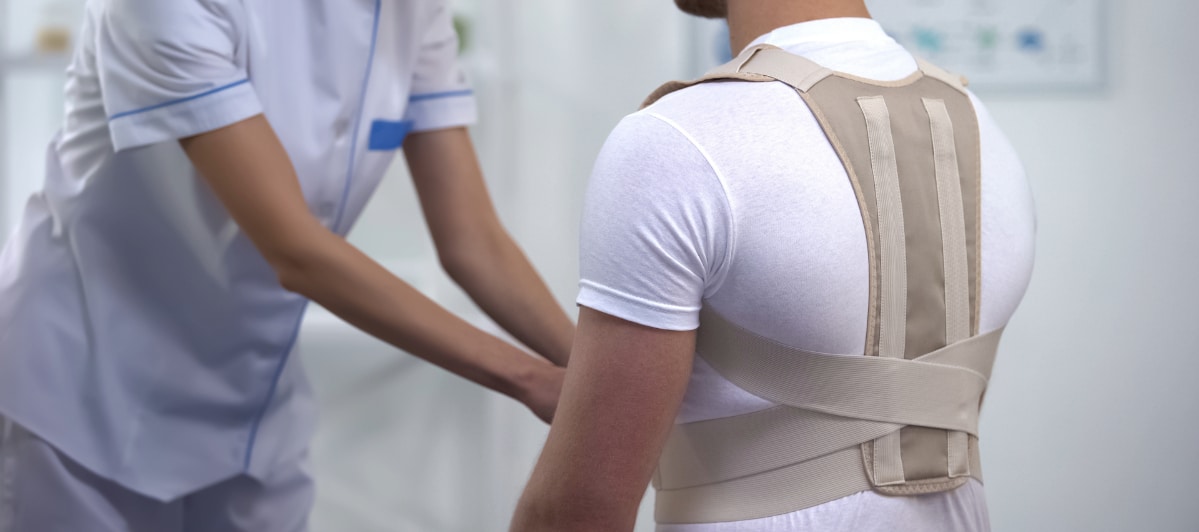
Using supportive devices can help manage symptoms and improve comfort. Lumbar cushions, ergonomic chairs, and proper footwear can offer additional support to your spine and enhance your posture. Additionally, wearing a back brace may provide extra stability and reduce pain during more strenuous activities.
By incorporating these self-care and home remedies into your daily routine, you can take proactive steps toward managing spinal stenosis.
Explore Spinal Stenosis Treatment Options at Pain and Spine Specialists
At Pain and Spine Specialists, our team of experts provides personalized care for individuals with spinal stenosis. We understand that each case is unique and requires an individualized treatment plan for the best outcome. Our multidisciplinary approach combines cutting-edge technology, advanced techniques, and compassionate care to deliver effective pain management solutions.
If you are experiencing chronic pain or other symptoms associated with spinal stenosis, please don't hesitate to reach out to our Pain and Spine Specialists team. You can schedule an appointment online or call one of our offices nearest you to learn more about our comprehensive treatment options.
Helpful Resources Related To Spinal Stenosis
Explore pain conditions and pain treatments that are related to spinal stenosis.


