

Recovering from an injury can feel overwhelming, both physically and emotionally. Whether you have experienced an accident, a sports injury, or a slip and fall, the journey toward personal injury recovery is filled with challenges and opportunities.
Knowing the best ways to approach injury rehabilitation can speed healing and help you regain confidence in your body and abilities. With the right mindset, support, and actionable recovery tips, you can make your rehabilitation journey smoother and more successful.
Understanding the Road to Recovery
The path to personal injury recovery is unique for everyone. Factors such as your age, injury severity, overall health, and environment play important roles. One thing remains constant: patience and persistence. Healing is rarely a straight line, and ups and downs are normal.
Your medical team will be your best resource at every stage. They will guide you through the process, from initial diagnosis to the final steps of rehabilitation. Listening to their advice and staying in regular contact will help you avoid setbacks and achieve the best possible outcome.
Building a Supportive Medical Team
Choosing the right health professionals is one of the most important decisions you can make for your recovery. Your team may include your primary care doctor, orthopedic specialists, physical therapists, and pain management experts. Each professional brings expertise in different aspects of injury rehabilitation, ensuring comprehensive, personalized care.
Do not hesitate to ask questions or voice concerns during appointments. Understanding your treatment plan will help you feel empowered and confident. The more engaged you are, the more likely you are to follow through with exercises and recommendations that support your recovery.
The Role of Physical Therapy
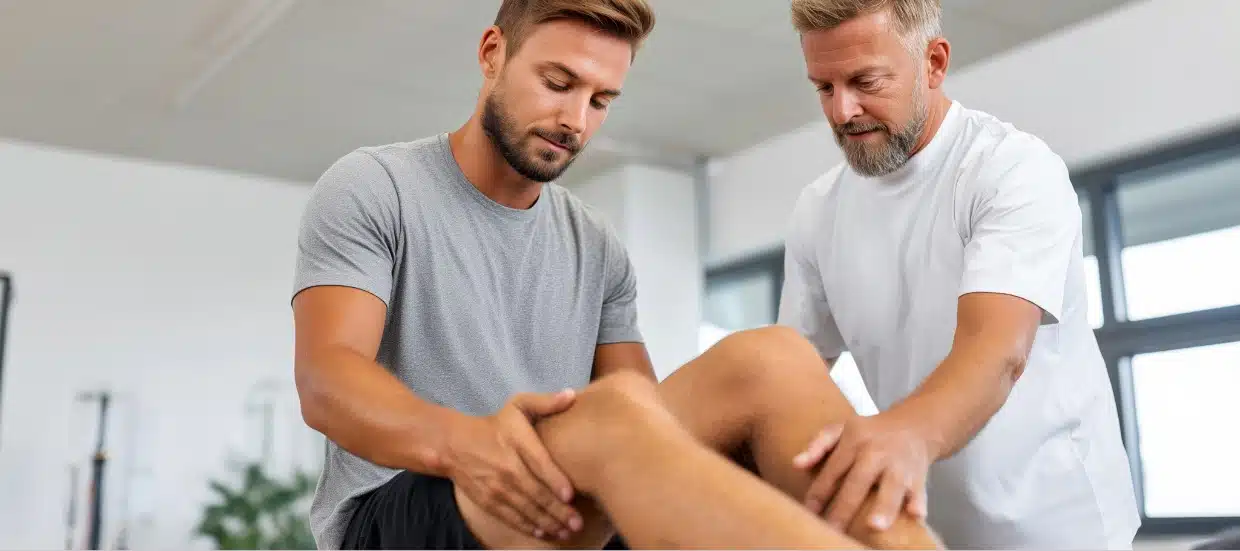
Physical therapy is a cornerstone of personal injury recovery. Physical therapists assess your injury, identify movement limitations, and create individualized programs to address your specific needs. These programs often include exercises to restore strength, flexibility, and balance.
Attending all scheduled physical therapy sessions will help you make steady progress. Consistency is key. If you are given exercises to do at home, make them a non-negotiable part of your daily routine. These exercises will help retrain your muscles and joints, reduce the risk of re-injury, and speed your progress.
Physical therapy is also a great opportunity to learn proper movement and body mechanics. Your therapist can teach you how to move safely in daily life, whether you are lifting groceries, returning to work, or getting back into sports.
Learning these techniques early on can help prevent future injuries and support long-term health.

Effective Pain Management Techniques
Pain is an inevitable part of many injury recovery journeys, but you can manage it effectively. Proper pain management can make rehabilitation more comfortable, which in turn encourages you to stick to your recovery plan.
Your doctor may recommend medications to reduce pain and inflammation, but non-medication options can be just as helpful. For example, ice packs and heat therapy can provide relief at different stages of healing. Gentle stretching, massage, and relaxation techniques like deep breathing or meditation can also ease discomfort.
Discuss pain levels with your healthcare providers regularly. Do not ignore new or worsening pain, as it could signal a complication or the need for a change in your treatment plan. By staying proactive about pain management, you can make each step of injury rehabilitation more manageable.
Setting Realistic Goals
Achievable goals are a powerful way to stay motivated during personal injury recovery. Your goals might include walking a certain distance, returning to a favorite activity, or regaining full range of motion. Work with your physical therapist or doctor to set short- and long-term objectives.
Track your progress along the way. Celebrate small victories and milestones. Maybe you can climb stairs more easily or complete exercises with less discomfort. Recognizing these improvements helps you stay positive and focused on your bigger goals.
Be flexible, too. Sometimes progress will be slower than you hoped, or setbacks may occur. Adjust your goals as needed and remember that every step forward counts.
Staying Consistent with Recovery Tips
Consistency is one of the most valuable recovery tips anyone can offer. Following your rehabilitation plan day after day makes a real difference. Skipping exercises or missing appointments can slow your progress and may even increase the risk of re-injury.
Create a daily routine that includes time for physical therapy exercises, self-care, and rest. Use phone reminders or a calendar to help you stay on track. If motivation wanes, reach out to friends, family, or your healthcare team for encouragement.
Staying consistent also means prioritizing your well-being outside of therapy. Eat nutritious meals, get enough sleep, and manage stress. These factors support your body’s ability to heal and can make your recovery journey smoother.

Listening to Your Body
One of the most important skills you can develop during injury rehabilitation is learning to listen to your body. Pushing yourself too hard can cause setbacks, while not pushing enough can slow your progress. Pay attention to pain, fatigue, and any new symptoms.
Communicate openly with your medical team about how you are feeling. They can help you adjust your plan if needed. If an exercise feels too difficult or causes pain, let your therapist know so they can suggest alternatives.
Remember that healing is a partnership between you and your care providers. Trust your instincts and advocate for your needs. This approach leads to safer and more effective recovery.
Staying Positive Through Challenges
Personal injury recovery is as much a mental journey as a physical one. It is normal to feel frustrated, anxious, or discouraged at times. Practicing patience and self-compassion can help you navigate these emotions.
Find healthy ways to cope with stress, such as talking to supportive friends, engaging in hobbies you enjoy, or practicing mindfulness. If negative feelings become overwhelming, consider speaking with a counselor or therapist for guidance and support.
Focus on what you can control and take pride in the effort you are making. Even on tough days, every small step forward is progress.
Preventing Re-Injury
Once you are well on your way to recovery, preventing re-injury becomes a top priority. Continue practicing the movement techniques you learned during physical therapy. Always warm up before activity and use proper equipment or protective gear when needed.
Stay mindful of your body’s limits, especially as you return to work, sports, or other activities. Gradually increase your activity level rather than rushing back to your previous routines. If something feels off or painful, pause and consult your healthcare provider.
Building strength and flexibility over time will help you avoid future injuries. Maintain an active lifestyle that includes regular exercise, stretching, and balance training.

Building a Support Network
The people around you can make a big difference in your recovery journey. Friends, family, and support groups provide encouragement, accountability, and practical help. Let others know how they can support you, whether it is by offering a ride to appointments, helping with daily tasks, or simply lending a listening ear.
Joining a support group for people going through injury rehabilitation can also be valuable. Sharing experiences with others who understand your challenges creates a sense of community and belonging. You may even pick up new recovery tips from others who have been through similar journeys.
Embrace a Healthier Future with Pain and Spine Specialists
Personal injury recovery takes time, effort, and hope. By surrounding yourself with a skilled medical team, following recovery tips, and staying consistent with your rehabilitation plan, you are setting yourself up for success.
At Pain and Spine Specialists, our board-certified doctors provide the highest-quality care tailored to your unique needs. We are committed to helping you achieve better mobility, manage pain effectively, and return to the activities you love.
If you or a loved one needs support with injury rehabilitation, reach out to schedule an appointment or call one of our convenient locations today.
Our knowledgeable team is ready to guide you through every step of your personal injury recovery. Take the next step toward healing and let us help you build a healthier, more active future.


