
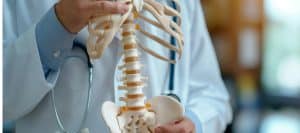
Spinal stenosis is a condition characterized by back pain, numbness, and weakness in the arms or legs. Some individuals may also experience difficulty walking, balance issues, and a loss of bladder or bowel control in severe cases.
The impact of spinal stenosis on daily life can be significant. Tasks that were once simple, like walking, sitting, or lifting objects, can become challenging and painful. As the condition progresses, it can severely limit mobility and reduce the quality of life.
One of the more troubling aspects of spinal stenosis is the difficulty it causes in walking and maintaining balance. Many patients report that prolonged standing or walking exacerbates their symptoms, often leading to a distinctive shuffling gait or the need to sit down to relieve pressure on the spine frequently. In severe cases, spinal stenosis can lead to the loss of bladder or bowel control, a condition known as incontinence, which can significantly impact personal dignity and independence.
As spinal stenosis progresses, it can severely limit mobility. Patients may find themselves increasingly reliant on assistive devices like canes, and walkers, or on the help of family and caregivers. Social activities and hobbies might be curtailed, leading to isolation, which is why it is crucial to manage these symptoms and maintain as active and fulfilling a lifestyle as possible.
But, what are the types of spinal stenosis, what is the most common treatment for spinal stenosis, and can spinal stenosis be treated without surgery?
Understanding Spinal Stenosis
Spinal stenosis is a condition that leads to the narrowing of the spinal canal, which can compress the nerves and cause a variety of symptoms. It’s essential to understand the different types of spinal stenosis to better grasp how this condition manifests and affects individuals. Cervical stenosis occurs in the neck region and can cause symptoms like neck pain, numbness, and weakness in the shoulders, arms, and hands, potentially leading to difficulties with fine motor skills. On the other hand, lumbar stenosis affects the lower back and is the most common type of spinal stenosis.
Symptoms often include lower back pain, sciatica, and leg weakness, making it challenging to walk or stand for extended periods. Understanding these types can help in recognizing the specific symptoms and tailoring cervical spinal stenosis treatment options effectively. Each type of spinal stenosis requires different management strategies to alleviate pain.
Spinal stenosis can be caused by various factors, including age-related changes in the spine, arthritis, genetic predisposition, and previous spinal injuries. As we age, our bones and tissues begin to deteriorate, leading to a range of degenerative conditions like osteoarthritis or degenerative disc disease. These changes can cause the ligaments in the spine to thicken and bone spurs to form, leading to the narrowing of the spinal canal.
Arthritis is another common contributor to spinal stenosis. Inflammation in the joints and surrounding tissue can lead to increased pressure on the nerves in the spine. This inflammation can also contribute to pain and stiffness.
Surgical Options for Spinal Stenosis
For some individuals, surgery for severe spinal stenosis may be the best treatment option to relieve symptoms. When considering surgery for spinal stenosis, several factors must be taken into account.
Firstly, the severity of symptoms plays a crucial role in determining whether surgery is necessary. If the pain and discomfort are mild and manageable with non-surgical methods, then surgery may not be recommended. However, if symptoms are severe and significantly impacting daily life, surgical intervention may be necessary.
Another factor to consider is how responsive an individual's symptoms have been to non-surgical treatments. If there has been little to no improvement with physical therapy, medication for cervical stenosis, and lifestyle modifications, then surgery may be the next step.
There are several surgical options available for treating spinal stenosis, and the choice ultimately depends on each patient's unique condition. Laminectomy is a common procedure that involves removing part of the vertebrae to relieve pressure on the nerves. A laminotomy is a similar procedure but only removes a portion of the vertebrae rather than the entire structure.
In some cases, spinal fusion surgery may be recommended. This involves fusing two or more vertebrae using bone grafts or metal hardware to stabilize the spine and reduce pain and nerve compression.
While surgery may be an effective treatment option for some individuals, it is essential to discuss the potential risks and benefits with a doctor before making a decision.

Non-Surgical Treatments for Spinal Stenosis
When dealing with spinal stenosis, non-surgical treatments can also be highly effective in managing symptoms. These options, including stenosis medication, often provide relief without the need for invasive procedures, allowing you to maintain as much of your daily routine as possible.
Mild treatment for spinal stenosis includes:
- Injections: Steroid injections, such as epidural steroid injections, can help reduce inflammation and relieve pain around the compressed nerves. These injections can provide temporary relief and are often used in conjunction with other treatments.
- Lifestyle Modifications: Simple changes in your daily activities, like incorporating ergonomic furniture or modifying your exercise routine, can alleviate symptoms. Weight management and a balanced diet also play a crucial role in reducing stress on your spine.
- Medications: Over-the-counter pain relievers, anti-inflammatory drugs, and muscle relaxants can help manage pain and inflammation. In some cases, the best medication for severe spinal stenosis is prescription medications to control more severe symptoms.
- Physical Therapy: Engaging in a structured physical therapy program can strengthen the muscles supporting your spine, improve flexibility, and reduce pain. A physical therapist will guide you through specific exercises tailored to your condition, helping you regain mobility.
Exploring these non-surgical treatments allows you to take control of your spinal stenosis symptoms in a manageable and less invasive way. Each option offers unique benefits and can be combined to create a comprehensive treatment plan tailored to your individual needs.

Alternative and Complementary Therapies for Spinal Stenosis
In addition to traditional medical treatments, alternative and complementary therapies can also be beneficial in managing symptoms of spinal stenosis. These options are often used in conjunction with other treatments to improve overall well-being and provide additional pain relief.
Chiropractic care is a popular alternative therapy for spinal stenosis. This treatment focuses on manipulating the spine and joints to improve alignment, reduce inflammation, and alleviate pain. Techniques commonly used include spinal manipulation, flexion-distraction technique, and instrument-assisted manipulation.
Acupuncture is another option that involves inserting thin needles into specific points on the body to stimulate nerve endings and release tension. Studies have shown promising results in using acupuncture to manage pain associated with spinal stenosis.
Massage therapy can also be beneficial in reducing muscle tension, improving circulation, and relieving pain. Types of massage that may provide relief include Swedish massage, deep tissue massage, and trigger point therapy. Many patients report positive experiences with massage therapy as part of their overall treatment plan for spinal stenosis.

Find the Best Treatment for Spinal Stenosis at Pain and Spine Specialists
When seeking treatment for spinal stenosis, consulting with an experienced medical professional is vital. Our team at Pain and Spine Specialists is dedicated to providing comprehensive care for individuals suffering from spinal stenosis. We offer a variety of treatment options, including minimally invasive procedures and non-surgical methods, to create personalized treatment plans that address your specific needs.
Through our multidisciplinary approach, we work together with our patients to alleviate spinal stenosis pain. Our goal is to help you regain mobility and independence so you can enjoy the activities you love without being hindered by spinal stenosis symptoms.
Learn more about the best treatment for stenosis from our Pain and Spine Specialists team today by calling one of our offices near you or filling out our convenient contact form.
Helpful Resources Related To Spinal Stenosis
Explore pain conditions and pain treatments that are related to chronic head pain.


