Shoulder Injections
In Maryland, Pennsylvania, Florida and Virginia
Shoulder injections are a targeted pain management treatment designed to alleviate pain and inflammation in your shoulder joint. At Pain and Spine Specialists, our shoulder injections can help relieve persistent shoulder pain, reduce stiffness, and improve your range of motion. If you are experiencing chronic shoulder pain and other traditional treatments have not worked, then shoulder injections may be the right option for you.
Digital Guide
Treatment overview and more!
Shoulder Injections for Chronic Pain Relief
Living with chronic shoulder pain can be debilitating, disrupting your everyday activities and diminishing your quality of life. Shoulder injections, offered by Pain and Specialists, offer a targeted approach to pain relief, helping to restore functionality and improve your overall well-being. These injections are designed to alleviate pain directly at the source, providing rapid relief and promoting healing in the affected area.
If you're considering shoulder injections as a treatment option and would like to learn more, we encourage you to explore further. By navigating through the navigation buttons listed below, you can gain insights into who makes an ideal candidate for the procedure, tips for a smooth recovery, and answers to frequently asked questions. This information aims to provide a comprehensive understanding of what to expect from the procedure, aiding in your decision-making process.
When you're ready to take the next step towards pain-free living, our team of shoulder injection specialists at Pain and Specialists is here for you. We're committed to providing personalized care tailored to your specific needs. To schedule a new patient consultation, simply reach out to us by submitting a contact form or giving us a call.


What Patients Are Saying
Great office, good people. Been there quite a few years. Never a problem. Leave them a message, they always respond. I've had six back surgeries 2knees and right shoulder. Gregg keeps my chronic debilitating pain managed well so I can still live my life best I can. Im so grateful.
Jenny Martins / google review
Dr. Rao. I can't find the words to tell you how much he has meant to me. I followed him from an old practice to his very new high tech office. They offer so many different areas of assistance to those with issues from nutrition to spinal surgery... and much more. His office is professional.
Mom To2 / vitals
Dr. Rao is such an amazing doctor! During my first visit, he never tried to rush through my appt.; he genuinely listened to all my concerns and then took his time to explain to me in detail all his recommendations and how they would help me.
Nikki / healthgrades
Shoulder Injections Treatment Guide
Shoulder Injections Digital Guide
Explore our comprehensive digital guide on shoulder injections. You will find details about the procedure, ideal candidates, and the diagnosis process. You'll also get answers to numerous frequently asked questions.

More Resources
Access to our Shoulder Injections guide, pain quiz, FAQ's, and patient reviews.


We Accept All Insurances
Individualized Patient Care
Board Certified Doctors
Seen Within Two Weeks
Understanding The Shoulder Joint
The human shoulder muscles are responsible for your body's most comprehensive range of motion. Your shoulders are composed of muscles, tendons, and ligaments that provide flexibility for this movement. The two joints that compose your shoulder are the glenohumeral and the acromioclavicular joint. Essentially, it is where your upper arm bones connect with your shoulder blade and where your shoulder blade meets your collarbone.
This joint structure keeps your arm in place of the shoulder socket, and this wide range of flexibility and range of movement makes your shoulder susceptible to injury. Within this joint, there is synovial fluid that allows the joint to move fluidly and comfortably. That's why a shoulder injury injection can be instrumental in regaining the shoulder's range of motion.
Shoulder pain is a common complaint for many people. Whether from normal wear and tear or an injury, injection therapy effectively treats shoulder pain. Before beginning any treatment to treat your pain, it is essential to recognize the symptoms of shoulder pain.
Recognizing Symptoms of Shoulder Pain:
These symptoms might interfere with your daily activities, causing discomfort or even distress. It's important to remember that everyone's experience with shoulder pain is unique. If you're dealing with any of these symptoms, it might be time to seek professional advice.

Xray of the shoulder joint with red overlay to show the shoulder pain region.
Pain Conditions Treated by Shoulder Injections
During your new patient consultation,our injection specialists will be able to accurately diagnose the source of your shoulder pain and the specific pain condition that needs to be treated.
Some common pain conditions that can benefit from shoulder injections include:
Common Causes of Shoulder Pain
A wide array of causes can lead to pain and discomfort in the shoulder. Many of these causes and catalysts can lead to shoulder pain conditions if left untreated.
If you are experiencing shoulder pain, it's important to seek professional advice from our doctors at Pain and Spine Specialists. Our providers can help identify the exact cause of your discomfort and guide you toward the most appropriate treatment.
Types of Shoulder Injections Offered at Pain and Spine Specialists
Our team of pain management doctors specializes in providing effective treatments for various types of shoulder pain, including the use of a steroid injection to shoulder joints.
Shoulder pain is a very common complaint in primary care affecting 14.7 affecting 1,000 patients. - NIH
Almost three-quarters of individuals may experience shoulder pain at some point in their lives. - Harvard Health Publishing
Over 95% of patients stated that the injections helped reduce shoulder pain and increased function 6 weeks post-injection. - NIH
Candidates for Shoulder Injections
Shoulder injections are considered based on several critical factors that include the specific diagnosis, the severity and duration of pain, the patient's previous medical history, and how their body has responded to other treatments.
For some patients, a shot for shoulder pain is considered a first-line treatment option. Particularly for those diagnosed with conditions such as arthritis, neuropathy pain, or degenerative disc disease, shoulder injections can potentially provide significant relief and enhance quality of life. However, there are also situations where shoulder injections are recommended after other conservative treatments have been tried.
A few examples of conservative treatments for shoulder pain include:
If these therapies have failed to provide sufficient relief, it might be time to schedule a consultation with one of our pain specialists to discuss your options for shoulder injections.
Our Comprehensive Consultation Process
The first step to effective pain management begins with a thorough consultation process. This process ensures that we accurately diagnose your pain condition before recommending treatments such as shoulder injections.


- 1Review of Your Medical History: The initial component of this process is a comprehensive review of your medical history. Understanding your past health experiences gives our team valuable insights into your overall health and potential contributing factors to your current pain condition.
- 2Physical Exam: Next, a physical examination is conducted to assess your current health status. During this examination, our doctors will evaluate your range of motion, strength, flexibility, and any areas of tenderness or discomfort. This hands-on approach allows us to identify potential sources of your pain and determine the most effective treatment plan.
- 3Advanced Imaging: In some cases, diagnostic imaging such as X-rays, MRI, or CT scans may be necessary. These advanced imaging techniques provide a detailed view of your musculoskeletal system, helping us to pinpoint specific areas of concern that may be contributing to your pain.
- 4Nerve Tests: Depending on your symptoms and the results of your physical examination and diagnostic imaging, nerve tests may be recommended. These tests can help determine whether your nerves are functioning correctly or if nerve damage could be causing your pain.
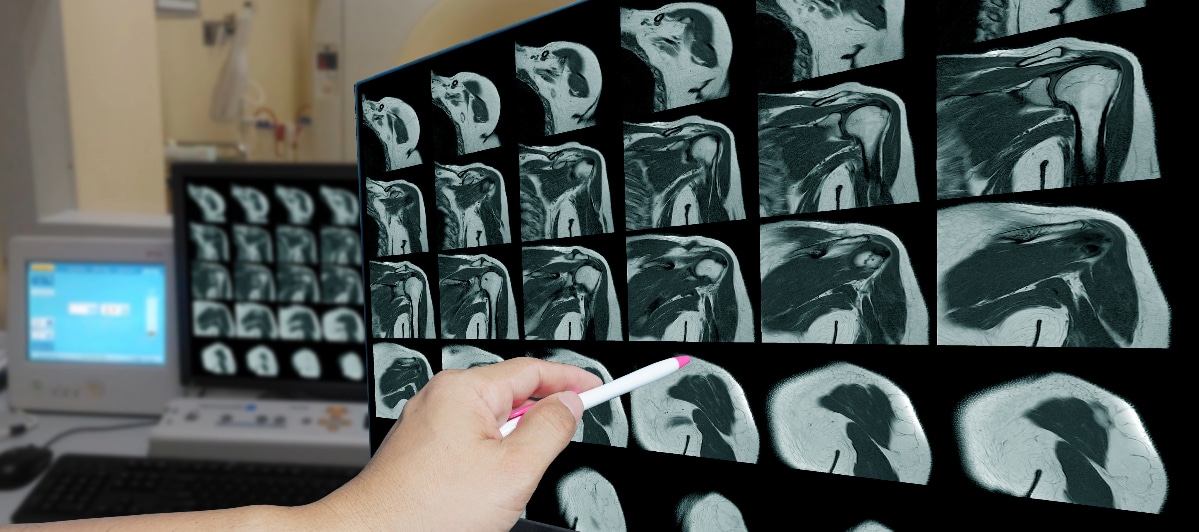
Four rows of shower xrays showing a rotator cuff injury.
The Shoulder Joint Injection Procedure
Injections for shoulder pain are a minimally invasive way to treat your symptoms. An overview the procedure for each of the shoulder injections we offer at Pain and Spine Specialists includes:


Corticosteroid Injections
Before the procedure, your doctor will discuss your medical history and any medications you're taking. You should avoid strenuous activities 24 hours before the injection.
During the procedure, your doctor will clean the injection site, numb it with a local anesthetic, then inject the corticosteroid medication into your shoulder joint. The whole process usually takes a few minutes.
After the procedure, you might feel temporary relief due to the local anesthetic. Once it wears off, your shoulder may become sore before the corticosteroid takes effect. Resting your shoulder and applying ice can help manage this discomfort.
Hyaluronic Acid Injections
Preparation for hyaluronic acid injections is similar to that for corticosteroid injections. Your doctor will review your health status and advise you to take it easy before the procedure.
The procedure involves injecting a hyaluronic acid solution into your shoulder joint. This substance, which naturally occurs in your body's connective tissues, helps lubricate your joint and reduce pain.
Following the injection, you should avoid putting too much stress on your shoulder for a couple of days. Some patients experience mild pain or swelling at the injection site, which usually subsides within a few days.
Platelet-Rich Plasma Injections
Before a PRP injection, your doctor will draw a small amount of blood from your arm. This blood is then centrifuged to separate the platelet-rich plasma.
During the procedure, the PRP is injected into your shoulder joint. Because the injection uses your own blood, the risk of allergic reactions is minimal.
After the procedure, you may experience some discomfort in your shoulder. Rest, ice, and over-the-counter pain relievers can help manage this. Your doctor will likely recommend physical therapy to assist in healing and strengthening your shoulder.
Nerve Block Injections
Prior to a nerve block injection, your doctor will discuss the procedure with you and answer any questions you may have.
In this procedure, anesthetic medication is injected around specific nerves in your shoulder, blocking pain signals from reaching your brain.
Post-procedure, you should arrange for someone to drive you home, as your shoulder will likely be numb for several hours. It's important to rest your shoulder and follow your doctor's instructions regarding when you can resume normal activities.
Remember, these procedures are generally safe, but like any medical procedure, they do carry some risks. Always consult with your healthcare provider before deciding on a course of treatment. You're not alone in this journey, and there are solutions that can help.
What to Expect After Treatment
Over the weeks and months post-procedure, our pain management doctors closely monitor your progress. Regular follow-up appointments are scheduled to assess the effectiveness of the treatment. These check-ins provide an opportunity to address any cortisone injection shoulder side effects you may have and adjust your treatment plan if necessary. Your well-being is our priority, and we strive to ensure a safe, personalized, and ethical treatment process that aligns with your unique needs.
Frequently Asked Questions
A range of medical professionals can provide shoulder injections for chronic pain relief, including orthopedic surgeons, rheumatologists, sports medicine doctors, and pain management specialists. Particularly, pain management specialists are highly skilled in diagnosing and treating chronic pain conditions.
The coverage for shoulder injections for chronic pain relief varies based on your specific insurance plan. Many insurance providers do cover this procedure as it's often considered a necessary treatment for chronic pain conditions. You should confirm with your insurance provider to understand your coverage details.
Alternatives to shoulder injections for chronic pain relief may include physical therapy, oral or topical medications, lifestyle modifications such as exercise and diet changes, and in some cases, surgery. The best treatment option will depend on your individual condition and overall health.
You can find a treatment center that offers shoulder injections for chronic pain relief by asking your primary care physician for a referral, searching online, or by contacting local hospitals or clinics for information.
To find a specialist who provides shoulder injections for chronic pain relief near you, consider asking your primary care physician for a referral, search online, or use a healthcare provider directory.
Yes, shoulder injections for chronic pain relief is considered a minimally invasive procedure. The treatment involves using a needle to deliver medication directly into the shoulder joint, without the need for large incisions or extended recovery time.
The cost of shoulder injections for chronic pain relief can vary widely based on factors such as your location, the specific healthcare provider, and your insurance coverage. It's recommended to check with your healthcare provider and insurance company for the most accurate cost estimate.
Both Medicare and Medicaid often cover shoulder injections for chronic pain relief, but coverage can vary depending on the specific plan and state. It's recommended to check directly with your plan to understand what is covered.
Yes, you can exercise after a cortisone injection in your shoulder. However, it is important to take it easy for the first 24-48 hours post injection as your shoulder may be sore and tender. You should also follow any instructions on activity level provided by your doctor or healthcare provider. For best results, start slowly with light stretching and strengthening exercises to help rehabilitate the affected area while avoiding activities that cause pain or discomfort.
Cortisone injection Shoulder: Side Effects and Risk
Fortunately, steroid injection shoulder side effects are generally minimally and the risks are low. With that said, here are some side effects to be aware of:
- Corticosteroid Injections: You might experience temporary pain and swelling in the shoulder joint after a corticosteroid injection. In rare cases, there could be a risk of infection, allergic reactions, or changes in skin color around the injection site.
- Hyaluronic Acid Injections: Hyaluronic acid injections are generally well-tolerated. However, as with any medical procedure, there can be potential side effects. You may experience some pain, warmth, or slight swelling at the injection site. These symptoms usually subside within a few days. There is also a small risk of infection or allergic reaction.
- Platelet-Rich Plasma (PRP) Injections: With PRP injections, because your own blood is used, the risk of an allergic reaction is minimal. However, you may feel some discomfort at the injection site. Other potential side effects include mild nausea or dizziness immediately after the procedure. It's crucial to have someone with you who can drive you home afterward
- Nerve Block Injections: Nerve block injections can provide significant relief from severe shoulder pain. However, they may cause temporary numbness or weakness in the injected area. There is a small risk of bleeding or infection at the injection site. In rare instances, you might experience an allergic reaction to the anesthetic used.
Prior to proceeding with shoulder injections our providers will discuss all of the potential side effects with you and help you weigh the benefits against the risks.

A pain management doctor doing a physical exam on patient, touching his shoulder and back.
Our Approach Managing Shoulder Pain with Shoulder Joint Injections
At Pain and Spine Specialists, we understand the debilitating impact of chronic shoulder pain on your daily life. Administering a steroid shot in shoulder joints will often provide effective relief, but if it doesn't, our doctors are ready to guide you through alternative treatment options.
Our approach to treating your shoulder pain is comprehensive. As a team of board-certified medical doctors, we combine advanced medical techniques, alternative therapies, and supportive care designed specifically for you. In addition to shoulder injections, we also offer back injections, hip injections, knee injections, and neck injections. We consider your physical, mental, and emotional health in every step of our treatment plan design, aiming to improve your overall quality of life.
Beginning your journey with us is straightforward. You can reach out to us via our website or phone call to schedule an initial consultation. Together, we will create a plan that suits your needs and preferences. As your treatment progresses, we monitor your response and make necessary adjustments to ensure the plan continues to work effectively for you.


About Us
We are a comprehensive pain management practice with board-certified doctors in Maryland, Pennsylvania, and Virginia that specialize in innovative treatments like Shoulder Injections
Digital Guide
View our providers, locations, services, and patient reviews.
More Resources
Here is a list of resources that were discussed on this page:
Candidates For Treatment
Patients with the following disorders, injuries, diseases, or infections may be candidates for a Shoulder Injections.

Find a Location
If you are searching for "Shoulder Injections near me" then click button to search by zip-code.
Contact Us
Suffering from chronic pain? Let our specialists help with Shoulder Injections. Contact us today for personalized treatment options.

Schedule Appointment

Ask A General Question
Ask A Question

Billing / Insurance Question
Billing / Insurance

Cancel / Reschedule Request
Cancel / Reschedule
*We accept workers' comp and personal injury claim patients
*We accept workers' comp and personal injury claim patients
Appointment FAQ's
We Accept All Insurances!
That includes Medicare and state Medicaid.
Usually within one week of the initial call.
Appointments can be schedule by phone or through our contact form here.
At Pain and Spine Specialists we provide comprehensive pain care while offering the most up-to-date minimally invasive techniques. Our ethos is to treat each patient (and potential patient) as if they were a family member.
At Pain and Spine Specialists we want to provide the most efficient and pleasurable experience possible. As in all medical facilities, we have certain policies in place to ensure that you receive the time you require to address your needs as well as enhance your experience while in our care.
We encourage patient feedback to better improve your experience. We strive to create a friendly and warm environment where patients feel their voices are heard and validated.
Meet Our Team
Shoulder Injections Specialists in Maryland, Pennsylvania, Florida and Virginia
As board-certified specialists in pain management, we bring an extensive 20-year history of effectively treating shoulder pain. Our approach is comprehensive, integrating advanced medical practices, such as a cortisone injection for shoulder pain. You can trust in our expertise to guide you through all phases of your pain relief journey. We currently serve patients at convenient locations in Maryland, Pennsylvania, Florida, and Virginia.