

Kyphoplasty is a minimally invasive procedure designed to treat spinal fractures, often caused by conditions such as osteoporosis, cancer, or trauma. This innovative treatment addresses the symptoms and also the underlying structural damage to the spine, offering patients a path to restored function and improved quality of life.
Patients may consider kyphoplasty for its proven benefits, particularly if conventional treatments, such as medications or lifestyle adjustments, have not provided sufficient relief. For people struggling with debilitating pain or diminished mobility due to a spinal fracture, kyphoplasty can be a life-changing option. It is a targeted, effective solution that reflects advancements in medical science aimed at helping patients reclaim their independence and comfort.
But, many people don't know much about kyphoplasty, because it is a relatively new and specialized procedure. This lack of awareness can lead to misconceptions and missed opportunities for relief. That's why it's vital to educate yourself about kyphoplasty, so you can make informed decisions about your health care options.

Understanding Kyphoplasty
The kyphoplasty procedure starts with a small cut in the patient’s back. Through this opening, a thin, hollow tube called a cannula is carefully inserted and guided to the damaged vertebra. This step is done with great care to avoid affecting the healthy tissue around it.
Once the cannula is in place, a small balloon is inserted through the tube and gently inflated. This balloon helps restore the vertebra to its normal height while creating a small space. After the balloon is deflated and removed, this space is filled with a quick-hardening bone cement that stabilizes the vertebra and prevents it from collapsing again.
Kyphoplasty is usually done as an outpatient procedure, allowing many patients to feel significant pain relief within days and return to their daily routines more comfortably.

Candidates for Kyphoplasty
Some of the people who might benefit from kyphoplasty include those living with:
- Cancer-Related Fractures: In some cases, cancer can lead to vertebral fractures and debilitating pain. Kyphoplasty is an effective treatment option for relieving pain and stabilizing the vertebrae in these instances.
- Compression Fractures: Kyphoplasty is particularly effective for stabilizing vertebral compression fractures caused by osteoporosis. By restoring the height of the collapsed vertebra and preventing further collapse, it can alleviate pain, improve posture, and enhance mobility.
- Osteoporosis: Osteoporosis, a condition characterized by weakened bones, is a common cause of vertebral compression fractures. Kyphoplasty can restore vertebral height and improve overall bone strength in patients with osteoporosis.
- Spinal Fractures: Individuals with fractures caused by serious accidents or injuries may experience debilitating pain and structural instability in the spine. Kyphoplasty can restore vertebral alignment and provide immediate pain relief, enabling faster recovery and a return to daily activities.
- Vertebral Degeneration: Age-related degeneration or conditions like osteonecrosis can lead to weakened and collapsing vertebrae. Kyphoplasty works to strengthen the affected vertebrae, relieving pain and preventing further deterioration.
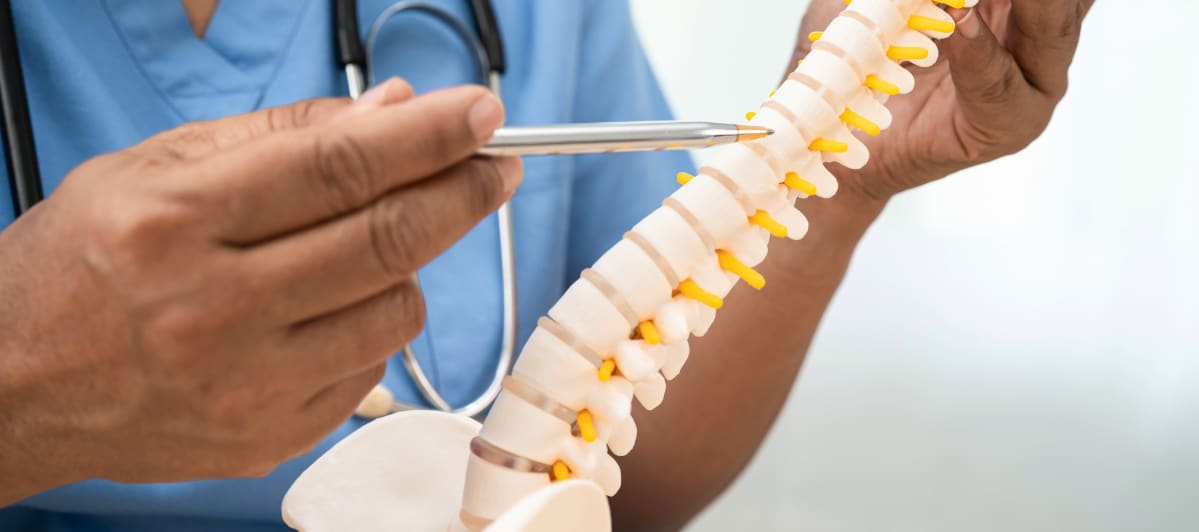
Before, During, and After Kyphoplasty
Understanding what takes place before, during, and after the kyphoplasty procedure can help patients feel more informed and at ease.
Before Kyphoplasty
Before the procedure, patients undergo a thorough evaluation to determine if kyphoplasty is the right option for them. This typically includes clinical assessments, imaging studies like X-rays or MRIs, and a review of the patient’s medical history.
Clear instructions are provided to prepare for the day of the surgery, which may involve fasting for several hours beforehand and adjusting medications that could affect the procedure. The medical team ensures all questions are answered, helping the patient feel more comfortable and informed.
On the day of the procedure, the patient arrives at the facility, often accompanied by a caregiver, and preparations begin. These include changing into a hospital gown and having vital signs recorded. The care team strives to create a supportive and calming environment for each individual.
During Kyphoplasty
The kyphoplasty procedure itself is performed using local anesthesia, and in some cases, light sedation is provided to keep the patient relaxed.
The patient lies face-down on the treatment table while the physician makes a small incision in the back. Using imaging guidance like fluoroscopy, a thin cannula is precisely inserted into the damaged vertebra. Through this tube, a balloon-like device is carefully introduced and inflated, elevating the collapsed vertebra and creating space for treatment.
Once the balloon is removed, the resulting cavity is filled with bone cement, which hardens quickly to stabilize the vertebra. The entire process is performed with remarkable precision, minimizing risk to surrounding tissues and delivering effective results. Typically, the procedure lasts about one to two hours.
After Kyphoplasty
Following kyphoplasty, the patient is monitored briefly in a recovery area to ensure proper recovery from the anesthesia and procedure. Many patients report noticeable pain relief within hours or days of the procedure.
While rest is encouraged on the day of the procedure, most individuals can resume light activities within 24 to 48 hours. Walking, sitting, and other gentle movements are often recommended to promote circulation and healing.
Follow-up appointments are scheduled to monitor progress and address any lingering concerns. Patients are also advised to take preventive measures, such as strengthening bones through diet, exercise, and, if needed, medication.

Benefits of Kyphoplasty
Just a few of the many benefits of kyphoplasty include:
- Alleviation of Pain: Kyphoplasty effectively reduces the pain caused by vertebral compression fractures by addressing the root cause of the discomfort. Patients frequently report a significant decrease in pain shortly after the procedure. This improvement not only enhances the ability to perform daily activities but also contributes to an overall better quality of life.
- Improved Mobility and Functionality: Many patients find that kyphoplasty allows them to regain their ability to perform everyday tasks, such as walking, bending, or reaching, with greater ease. Restoring mobility fosters a renewed sense of independence, which is critical for maintaining emotional well-being. Over time, this improved functionality supports a more active and fulfilling lifestyle.
- Minimal Recovery Time: One of the key advantages of kyphoplasty is its relatively short recovery period. Most individuals can return to light activities within days, minimizing the disruption to their routines. This aspect is particularly beneficial for individuals with demanding schedules, as it allows for a quicker return to normal activities.
- Reduction of Spinal Abnormality: Kyphoplasty helps restore the natural height and alignment of the affected vertebrae, addressing deformities caused by compression fractures. By correcting such abnormalities, the procedure can help prevent associated complications, such as altered posture or chronic spinal strain. The structural restoration contributes to long-term spinal health and improved physical appearance.
- Stabilization of Fractures: Through the use of specialized bone cement, kyphoplasty stabilizes fractured vertebrae, significantly reinforcing their strength. This stabilization reduces the risk of further collapse or injury to the spine. Additionally, a stable spinal structure enhances overall functionality and bolsters confidence in physical movement.
Any potential side effects of kyphoplasty are usually minor and temporary, such as soreness at the injection site or discomfort during the procedure. Your doctor will discuss these risks with you before the surgery and provide strategies to manage any discomfort.

Choose Pain and Spine Specialists for Pain Relief with Kyphoplasty
At Pain and Spine Specialists, we understand the impact of chronic pain on daily life and the importance of finding effective relief. Our team of highly trained specialists is dedicated to providing patient-centered care and utilizing innovative techniques such as kyphoplasty to alleviate pain and improve quality of life.
We believe in building a strong doctor-patient relationship based on trust, empathy, and open communication. That’s why we take the time to listen to your concerns, thoroughly evaluate your condition, and develop a personalized treatment plan that meets your specific needs.
Find a Pain and Spine Specialists location in Florida, Maryland, Pennsylvania, and Virginia near you or fill out our online contact form today to learn more about kyphoplasty or any of our other chronic pain treatment approaches.
Related Resources
Explore pain conditions and pain regions that are commonly treated with the the kyphoplasty procedure.


