

Diabetic peripheral neuropathy, a common complication of diabetes, affects millions worldwide, causing nerve damage primarily in the legs and feet. Recognizing diabetic peripheral neuropathy signs and symptoms early can significantly impact a person’s well-being, preventing severe complications and managing the condition more effectively. Whether you are living with diabetes or caring for someone who does, understanding diabetic peripheral neuropathy symptoms can pave the way for timely intervention and treatment, helping to maintain mobility and independence.
At Pain and Spine Specialists, our team has the knowledge and expertise to provide comprehensive diabetic peripheral neuropathy treatments for patients ready to regain control of their lives from this condition. For more information about the connection between diabetes and peripheral neuropathy and the best treatment for diabetic peripheral neuropathy, contact our Pain and Spine Specialists team by calling one of our offices in Florida, Maryland, Pennsylvania, or Virginia or filling out our online form today.

What Is Diabetic Peripheral Neuropathy?
Diabetic peripheral neuropathy is a form of nerve damage that can manifest in individuals with diabetes. This nerve disorder arises due to prolonged exposure to high blood glucose levels, which can lead to injury and subsequent dysfunction of the nerves throughout the body. The link between diabetes and nerve damage is rooted in the toxic effects of elevated blood sugar on the peripheral nerves.
When diabetes is not well-managed, consistently high blood sugar levels can inflict harm upon the nerves, impeding their ability to transmit signals effectively. This can result in many distressing symptoms, including numbness, tingling sensations, and pain in the extremities. Over time, the cumulative impact of nerve damage can affect various bodily functions, such as muscle movement, sensation, and coordination.
By understanding this condition, people can take proactive steps to mitigate its impact through various treatment options. Several factors can influence an individual’s risk of developing diabetic peripheral neuropathy, including uncontrolled blood sugar levels, obesity, and smoking.

Common Signs and Symptoms of Diabetic Peripheral Neuropathy
When it comes to diabetic peripheral neuropathy, being attuned to the nuanced signs and symptoms holds incredible significance.
Some of the diabetic peripheral neuropathy signs and symptoms that necessitate attention and proactive management include:
Numbness and Tingling in the Extremities
The onset of diabetic peripheral neuropathy often heralds sensations of numbness and tingling in the extremities, causing hand pain and foot pain. This tingling may escalate to persistent numbness, signifying compromised nerve function due to elevated blood sugar levels.
Sharp or Burning Pain
Individuals grappling with diabetic peripheral neuropathy frequently report experiencing sharp, stabbing pain or a burning sensation in their extremities. These intense sensations can significantly impact daily comfort and mobility, underscoring the need for vigilant management of diabetic peripheral neuropathy.
Sensitivity to Touch
Heightened sensitivity to touch in affected areas is a prevalent hallmark of diabetic peripheral neuropathy signs and symptoms. Even light contact can elicit discomfort, underscoring the intricate interplay between nerve damage and sensory perception.
Muscle Weakness
Individuals may encounter muscle weakness in the affected areas as the condition progresses. This manifestation can impede physical activities and contribute to a sense of diminished strength and vitality.
Loss of Balance and Coordination
The encroachment of diabetic peripheral neuropathy often brings forth challenges related to balance and coordination. This can predispose individuals to an increased risk of falls and injuries, necessitating proactive measures to fortify stability.
Foot Problems
Foot complications are a prevalent consequence of diabetic peripheral neuropathy, encompassing issues such as ulcers, infections, and deformities. Heightened vigilance and meticulous foot care are crucial in averting these potential complications.

Early Detection and Diagnosis of Diabetic Peripheral Neuropathy
Early detection of diabetes peripheral neuropathy holds far-reaching implications for those living with diabetes. By seeking timely medical intervention, individuals can mitigate the impact of nerve damage and stave off potential complications.
The essential steps in the diagnostic process include:
The Significance of Early Detection: Understanding the importance of early detection in managing peripheral diabetic neuropathy is pivotal in empowering individuals with the knowledge to proactively safeguard their well-being. By detecting the subtle signs and symptoms early on, you gain a vital window of opportunity to implement targeted interventions, thereby mitigating the progression of nerve damage and averting potential complications.
This proactive stance fortifies the prospects of preserving nerve function and plays a pivotal role in enhancing overall health. Early detection serves as a beacon of hope, enabling you to embark on a trajectory that champions informed decision-making and personalized strategies for proactive management. Embracing early detection is an act of empowerment, positioning you at the helm of your well-being and engendering a sense of agency in navigating the complexities of diabetic peripheral neuropathy.
Diagnostic Tests and Examinations: Diagnostic tests and examinations are essential in managing diabetic peripheral neuropathy. These assessments serve as crucial pillars in unraveling the intricate manifestations of the condition, empowering you with insights that inform tailored management strategies. At Pain and Spine Specialists, a patient-centered approach to diagnosing diabetic peripheral neuropathy involves
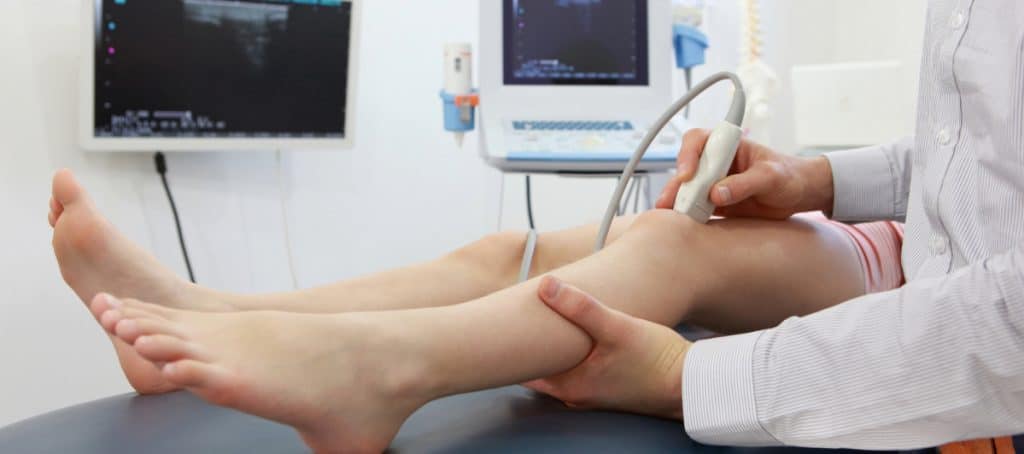
Typically, the diagnosis process of diabetic peripheral neuropathies begins with a thorough review of a patient’s medical history. This allows healthcare professionals to accumulate critical information that may inform the diagnostic plan. In addition to a physical examination to assess neurological function and muscle strength, diagnostic imaging might be required in some instances. X-rays, MRI scans, and ultrasounds are among the standard imaging techniques utilized in diagnosing diabetic peripheral neuropathy. Additionally, nerve tests might be conducted to evaluate the function and integrity of the peripheral nerves. These tests include nerve conduction studies, electromyography (EMG), and nerve biopsies.
Consulting with Healthcare Professionals: Seeking medical advice from a team of qualified healthcare professionals is essential in managing diabetic peripheral neuropathy. Consulting with podiatrists, endocrinologists, neurologists, or physical therapists allows individuals to benefit from a multi-dimensional approach to treatment, addressing the diverse aspects of the condition. Working closely with your healthcare team can facilitate timely diagnosis and personalized management strategies, enhancing the prospects of effective symptom control.
FAQs About Diabetic Peripheral Neuropathy Signs and Symptoms
Some frequently asked questions about diabetic peripheral neuropathy are:
Can You Get Peripheral Neuropathy Without Diabetes?
So, can you have peripheral neuropathy without diabetes? In short, the answer is yes. While diabetes is a common cause of peripheral neuropathy, numerous non-diabetic factors can lead to this condition. Toxins, alcoholism, autoimmune diseases, infections, vitamin deficiencies, and exposure to environmental toxins are among the factors that can contribute to peripheral neuropathy. Seeking medical evaluation is crucial to identify the underlying cause and initiate appropriate management strategies, regardless of diabetes status.
Is There a Way to Reverse Diabetic Peripheral Neuropathy?
Knowing how to reverse diabetic peripheral neuropathy can significantly improve the outlook for individuals living with this condition. While there is no definitive cure for diabetic peripheral neuropathy, timely diagnosis, and management measures can halt or reverse the progression of nerve damage. It involves a multifaceted approach to manage symptoms, slow progression, and address underlying factors. Through meticulous management of blood sugar levels, lifestyle modifications, and targeted interventions, it’s possible to alleviate symptoms and prevent further nerve damage.
What Are Some Causes of Peripheral Neuropathy Other Than Diabetes?
Apart from diabetes, peripheral neuropathy can be attributed to various factors such as exposure to toxins, alcoholism, autoimmune diseases, infections, vitamin deficiencies, medications, and environmental factors. It’s crucial to undergo a thorough medical evaluation to ascertain the underlying cause of peripheral neuropathy and tailor a personalized management plan. Addressing these diverse causes of peripheral neuropathy no diabetes requires a comprehensive, patient-centered approach that aims to mitigate symptoms and enhance overall well-being.

Diabetic Peripheral Neuropathy Treatment Options
There is a range of modalities aimed at easing the impact of diabetic peripheral neuropathy signs and symptoms.
Spinal cord stimulation (SCS) emerges as a promising treatment option for individuals grappling with the challenging manifestations of diabetic peripheral neuropathy. This innovative therapy, approved by the FDA, involves using mild electrical pulses to target nerve pain directly. SCS provides relief for chronic pain associated with diabetic peripheral neuropathy and potentially improves exercise tolerance. Research has shown that SCS not only offers pain relief but also has the potential to enhance sensation, thus presenting advantages that could aid in reducing complications such as foot ulcers or infections.
Also, targeted nerve block injections are a viable intervention for managing the often debilitating pain associated with diabetic peripheral neuropathy. By delivering medication near the affected nerves, these injections disrupt pain signals, providing temporary relief and enhancing comfort and function.
Another treatment option is peripheral nerve stimulation. This involves implanting a small device that delivers electrical pulses to the affected nerves, interrupting pain signals and providing relief. It has been proven effective for diabetic peripheral neuropathy patients who have not responded well to other treatments.
In addition to these interventions, lifestyle changes can also help manage pain associated with diabetic peripheral neuropathy. Regular exercise, maintaining a healthy weight, and controlling blood sugar levels can all contribute to reducing symptoms and improving overall quality of life.
Additionally, it’s important to note that the FDA has approved several medications specifically aimed at managing this condition.
These medications include:
- Duloxetine (Cymbalta)
- Pregabalin (Lyrica)
- Tapentadol (Nucynta)
- Amitriptyline
- Nortriptyline
- Desipramine
Knowledgeable medical professionals work with you to determine which of these medications is most suitable for your unique needs, tailoring a personalized treatment plan that best serves your situation.

Find Treatment for Diabetic Peripheral Neuropathy Signs and Symptoms at Pain and Spine Specialists
Diabetic peripheral neuropathy is a distressing condition that can significantly impact the quality of life of individuals living with diabetes. Understanding the intricate diabetic peripheral neuropathy mechanism is crucial in providing personalized and effective care, ensuring that every aspect of your condition is addressed with empathy and expertise by our medical professionals.
Find out more about how Pain and Spine Specialists can help you manage diabetic peripheral neuropathy signs and symptoms by reaching out to our team either online or by calling one of our offices near you. Don’t let diabetic peripheral neuropathy hold you back from living your best life. Take the first step towards proactive pain management today with Pain and Spine Specialists.
Helpful Resources Related to Article
Explore treatment options and pain conditions related to DPN.


