Glucose Monitoring Implants
In Maryland, Pennsylvania, Florida, Ohio, and Virginia
Glucose monitoring implants, such as the Eversense CGM and Eversense 365, are innovative medical devices designed to help individuals with diabetes achieve better azucar control and manage their blood sugar levels
Digital Guide
Treatment overview and more!
Discover Glucose Monitoring Implants
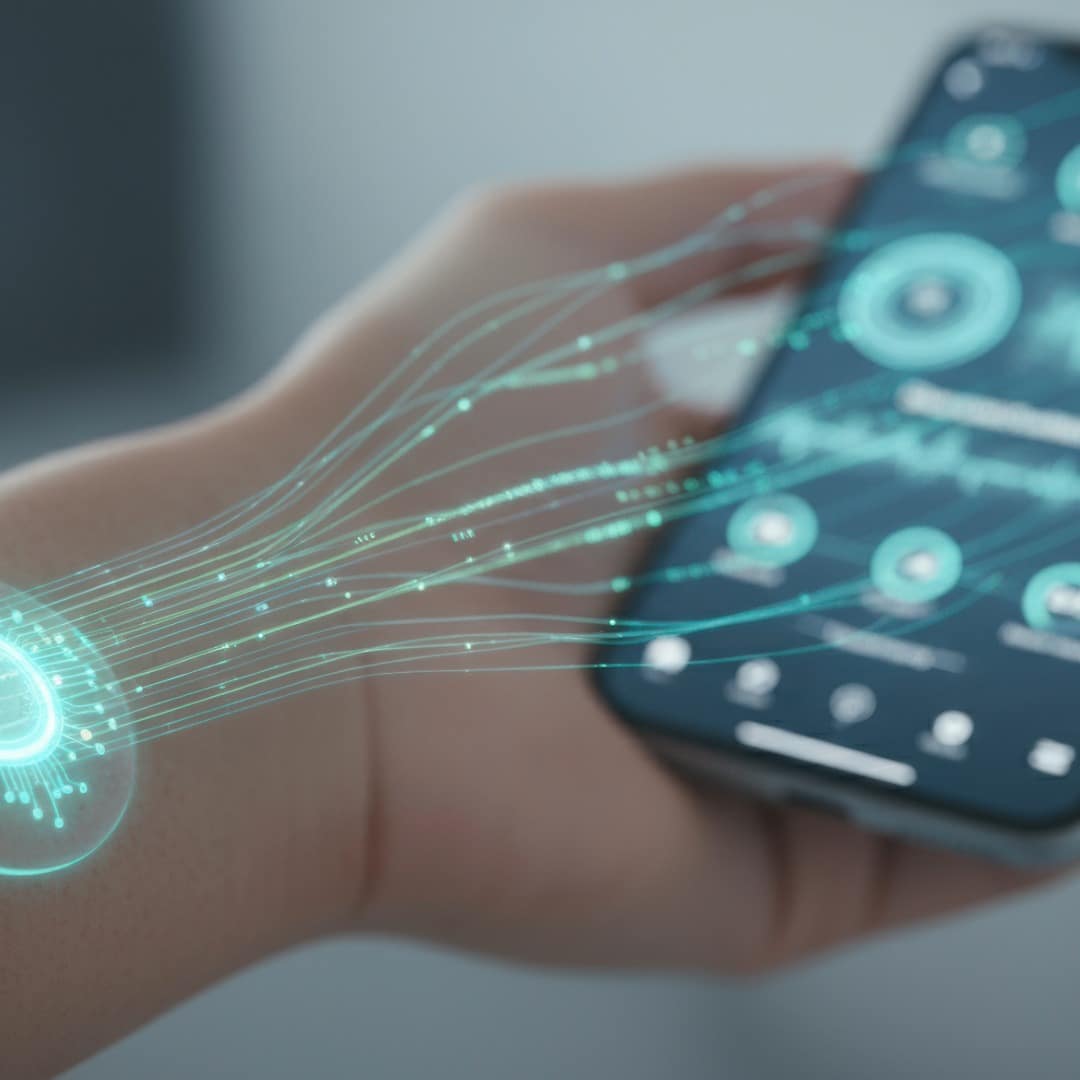
CGM systems are inserted just beneath the skin and continuously measure glucose levels in real time, sending the data wirelessly to a compatible device or smartphone. By tracking glucose trends throughout the day and night, CGM diabetes implants empower patients to make informed decisions about their diet, activity, and insulin use. These non invasive blood sugar monitor options are considered among the best CGM solutions available today, offering continuous glucose monitoring for non diabetics and diabetics alike.
If you're interested in learning more about continuous glucose monitoring, including options like levels CGM, CGM sensor technology, and diabetes patch systems, our Pain and Spine Specialists team has created an online library of resources to guide you.
By exploring the sections below, you can discover who is a good candidate for these CGMs and blood screening for diabetes, understand the benefits and considerations of glucose monitoring implants, and find answers to common questions that prospective patients have.




What Patients Are Saying
Great office, good people. Been there quite a few years. Never a problem. Leave them a message, they always respond. I've had six back surgeries 2knees and right shoulder. Gregg keeps my chronic debilitating pain managed well so I can still live my life best I can. Im so grateful.
Jenny Martins / google review
Dr. Rao. I can't find the words to tell you how much he has meant to me. I followed him from an old practice to his very new high tech office. They offer so many different areas of assistance to those with issues from nutrition to spinal surgery... and much more. His office is professional.
Mom To2 / vitals
Dr. Rao is such an amazing doctor! During my first visit, he never tried to rush through my appt.; he genuinely listened to all my concerns and then took his time to explain to me in detail all his recommendations and how they would help me.
Nikki / healthgrades
Download Our Digital Guide
Treatment Guide
Fill out the details below to learn more about our minimally invasive treatments like Eversense 365 Glucose Monitoring Implants. By downloading our guide, you will be able to learn more about our services, locations, patient policies, providers, and much more!

More Resources
Access to our Eversense 365 Glucose Monitoring Implants guide, pain quiz, FAQ's, and patient reviews.


We Accept All Insurances
Individualized Patient Care
Board Certified Doctors
Seen Within Two Weeks
What Is a Glucose Monitoring Implant?
Glucose monitoring implants are minimally invasive outpatient devices used to help people with diabetes manage their blood sugar levels. These small sensors are inserted just beneath the skin, where they continuously monitor glucose levels in interstitial fluid and wirelessly transmit readings to a compatible device or smartphone. This real-time monitoring enables better tracking of glucose fluctuations, allowing earlier intervention and more informed adjustments to diet, lifestyle, and medication.
Glucose monitoring implants are designed specifically to help individuals with diabetes manage their blood sugar more effectively. These devices do not replace all forms of diabetes care, but instead offer a solution for those who need continuous, real-time glucose tracking. For many patients, traditional methods like fingerstick testing, meter blood glucose checks, intermittent sensors, or manual logs may not provide the consistent insight needed to manage their diabetes optimally.
Unlike traditional finger-prick or external sensor methods, glucose monitoring implants are placed just under the skin and can function for several months at a time. The CGM sensor automatically measures glucose levels and transmits this information, so users and healthcare providers can view trends and identify patterns that may require attention or adjustments to treatment plans.
Rather than relying on frequent, sometimes uncomfortable fingersticks, glucose monitoring implants offer a practical, long-term solution for continuous blood sugar tracking. With less disruption to daily life and fewer manual readings, these CGM diabetes solutions can provide the same reliable diabetes management with greater convenience and less downtime for users. Whether you are looking for a diabetes patch, a non invasive blood sugar monitor, or the best glucose monitor for non diabetics, these devices offer a flexible and advanced approach to control.
Common Signs, Symptoms, and Causes of Diabetic Pain
Glucose monitoring implants are designed specifically to help individuals with diabetes manage their blood sugar more effectively. These devices do not replace all forms of diabetes care, but instead offer a solution for those who need continuous, real-time glucose tracking. For many patients, traditional methods like fingerstick testing, meter blood glucose checks, glucometer kit testing, intermittent sensors, or manual logs may not provide the consistent insight needed to manage their diabetes optimally.
While this can be challenging for those who struggle to keep their glucose levels in range, glucose monitoring implants deliver reliable, long-lasting results for ongoing diabetes management.
Because blood sugar fluctuations can be triggered by many daily factors, it is difficult to completely prevent the risk of hyperglycemia or hypoglycemia. This is why early detection of glucose trends and seeking appropriate diabetes care are so important.
Symptoms of diabetic pain include:
- Burning or Tingling
- Sharp or Shooting Pain
- Numbness or Less Feeling
- Sensitive to Touch
- Muscle Weakness
- Cramping or Aching
- Loss of Balance
- Slow-Healing Sores
Who Is an Ideal Candidate for a Glucose Implants?
If you’ve been having difficulty managing your blood sugar levels, you may be a good candidate for a glucose-monitoring implant. However, not everyone with diabetes will automatically qualify for this technology.
To be considered for a glucose monitoring implant, ideal candidates typically have:
- Difficulty Stabilizing Blood Sugar
- Unreliable Fingerstick Results
- Need Continuous Glucose Data
- Hypoglycemia Unawareness History
- Frequent Glucose Fluctuations
A consultation with your diabetes care team will help determine if a glucose monitoring implant is right for you.
Explore Our Webinars and Podcasts
Learn about The Conditions We Treat and the treatments We offer from our board-certified doctors.

Our Consultation Process
Our team at Pain and Spine Specialists takes a comprehensive approach to glucose monitoring implant evaluation and care.
We begin by reviewing your medical history, including your diabetes diagnosis, previous treatments, and any challenges you've faced in managing your blood sugar. This helps us understand your unique needs and determine if a glucose monitoring implant is right for you.
Next, our specialists perform a focused physical assessment, which may include checking for signs of diabetes-related complications and evaluating your overall health. This ensures we identify any important factors that could influence your implant experience.
Depending on your situation, we may recommend additional diagnostic tests, such as blood work or assessments of your current glucose control. These tests help us gain a clearer picture of your diabetes management and tailor our recommendations to your specific needs.
If you are a good candidate, we’ll guide you through the glucose monitoring implant process, including device selection, insertion, and ongoing support. Our goal is to provide you with a personalized, seamless experience that helps you achieve better glucose control and improve your quality of life.
Next Steps
If a glucose monitoring implant is the right choice for you, our team will support you throughout the entire process. Our top priority is to help you understand your diabetes and achieve better blood sugar control. We’re committed to delivering compassionate, patient-focused care at every stage of your journey.


What to Expect During Treatment
If you’ve been struggling to manage your blood sugar levels, you may be an ideal candidate for a glucose monitoring implant. Instead of constantly adjusting your daily routine around unpredictable glucose fluctuations, a glucose monitoring implant offers a safe, effective, and long-term solution that can greatly enhance your quality of life.


Preparing for a Glucose Monitoring Implant
Before you receive a glucose monitoring implant, our team will walk you through all the necessary preparation steps. Understanding these instructions is essential for your safety and for a smooth, successful procedure.
We’ll review any medications you may need to pause or adjust before the implant, and let you know if there are any dietary guidelines to follow, such as fasting for a certain period beforehand. Our Pain and Spine Specialists team is always available to address your questions or concerns, ensuring you feel comfortable and informed throughout the process.
Glucose Monitoring Implants: Step-By-Step
The glucose monitoring implant procedure is a minimally invasive technique that provides continuous, real-time blood sugar data to help you manage your diabetes more effectively.
Once you are comfortably positioned, we will numb the small area where the implant will be placed to ensure your comfort during the procedure. Using precise guidance, our specialist will insert a tiny sensor just beneath the skin, typically in the upper arm or abdomen.
After placement, the sensor will continuously monitor your glucose levels around the clock and transmit data directly to a compatible device or app. This allows you and your care team to track your blood sugar trends and make informed decisions for better diabetes management.
After the Procedure
Right after your glucose monitoring implant procedure, you’ll be moved to a recovery area, so our team can monitor you for a short period. Most people experience minimal discomfort, but everyone’s experience may differ.
You’ll need someone to drive you home, as you may still feel the effects of local anesthesia or sedation. Before you leave, we’ll provide detailed post-procedure instructions, including how to care for the insertion site and when you can return to normal activities.
We’ll also schedule regular follow-up appointments to monitor your progress, review your glucose data, and ensure the implant is working effectively for your diabetes management.
Glucose Monitoring Implant Recovery
The glucose monitoring implant procedure requires very little recovery time, and most patients can return to their normal routines within a day or two. Many people notice the benefits of continuous glucose monitoring soon after the implant is activated, with full adjustment typically occurring within a few weeks.
While complications are uncommon, there are some potential side effects to be aware of, including:
- Infection
- Bleeding
- Skin Irritation
- Sensor Malfunction or Discomfort

Frequently Asked Questions
Check out some of the most common questions we receive about glucose monitoring implants at Pain and Spine Specialists.
Yes, glucose monitoring implants can be a great option for older adults, especially those who have difficulty with frequent fingerstick testing or need more consistent blood sugar data. However, suitability depends on individual health factors, so a healthcare provider should assess each case.
The procedure typically uses local anesthesia to numb the area where the sensor will be placed. This keeps you comfortable while allowing for a quick recovery.
Most people begin to see benefits as soon as the device is activated, with real-time glucose readings available almost immediately. Full adjustment to the device may take a few days to a couple of weeks.
Many health insurance plans do cover glucose monitoring implants, especially for individuals with diabetes who meet certain criteria. It's important to check with your insurance provider to confirm your specific coverage.
Yes, alternatives include traditional fingerstick testing, glucometer kit testing, and external, adhesive continuous glucose monitors (CGMs) such as levels CGM, Eversense CGM, or diabetes patch options. Your healthcare provider can help determine the best CGM, non invasive blood sugar monitor, or glucometer kit for your needs.
People with certain skin conditions, allergies to implant materials, or active infections at the insertion site may not be suitable candidates. Your healthcare team will evaluate your medical history to ensure the implant is safe for you.
While most people experience better glucose management and convenience, results can vary. The implant is a tool to help monitor blood sugar, but lifestyle and medication adherence remain important.
You can typically resume light activities the same day or the next day after the procedure. Avoid strenuous exercise or activities that could impact the insertion site for a few days, as advised by your healthcare provider.
Glucose Implants: Pros and Cons
Before using a glucose-monitoring implant to manage diabetes, consider these pros and cons listed below:
PROS:
CONS:

We Are Glucose Monitoring Implant Specialists In Maryland, Pennsylvania, Florida, Ohio and Virginia
At Pain and Spine Specialists, our team of board-certified doctors has years of experience helping patients better manage their diabetes in Maryland, Pennsylvania, Florida, and Virginia. Our goal is to offer comprehensive diabetes management solutions, including glucose monitoring implants, helping you better control your blood sugar and improve your overall quality of life.


About Us
We are a comprehensive pain management practice with board-certified diabetes specialists in Maryland, Pennsylvania, Ohio, and Virginia.
Digital Guide
View our providers, locations, services, and patient reviews.
More Resources
Here is a list of resources that were discussed on this page:
Treatment Candidates
Patients with the following conditions may be candidates for an Eversense 365 Glucose Monitoring Implants:
Related Pain Regions
Eversense 365 Glucose Monitoring Implants is often used to treat pain in the following regions:

Find a Location
If you are searching for "Eversense 365 Glucose Monitoring Implants near me" then click button to search by zip-code.
Contact Us
Contact us today to see if glucose monitoring implants are the right option for you!

Schedule Appointment

Ask A General Question
Ask A Question

Billing / Insurance Question
Billing / Insurance

Cancel / Reschedule Request
Cancel / Reschedule
*We accept workers' comp and personal injury claim patients
*We accept workers' comp and personal injury claim patients
Appointment FAQ's
We Accept All Insurances!
That includes Medicare and state Medicaid.
Usually within one week of the initial call.
Appointments can be schedule by phone or through our contact form here.
At Pain and Spine Specialists we provide comprehensive pain care while offering the most up-to-date minimally invasive techniques. Our ethos is to treat each patient (and potential patient) as if they were a family member.
At Pain and Spine Specialists we want to provide the most efficient and pleasurable experience possible. As in all medical facilities, we have certain policies in place to ensure that you receive the time you require to address your needs as well as enhance your experience while in our care.
We encourage patient feedback to better improve your experience. We strive to create a friendly and warm environment where patients feel their voices are heard and validated.
Meet Our Team
Meet Our Diabetes Specialists in Maryland, Pennsylvania, Florida, Ohio and Virginia
At Pain and Spine Specialist, our board-certified diabetes specialists have dedicated over 20 years to providing exceptional patient care. Serving patients in Maryland, Pennsylvania, Ohio, Florida, and Virginia, our team of experienced physicians, physician assistants, and nurse practitioners are committed to offering effective, minimally invasive procedure options tailored to each individual's needs.