

Lower back pain is a common challenge for many people, especially after undergoing surgery. Whether you’ve had a procedure directly on your spine or another type of operation, such as colon surgery, post-surgical lower back pain can slow your recovery and impact your day-to-day life.
Fortunately, there are practical strategies and minimally invasive techniques to ease back pain after surgery. Understanding the different lower back surgery types and knowing when to seek professional guidance can further support a smoother and more comfortable recovery.

Understanding Lower Back Pain After Surgery
Lower back pain after surgery can arise for various reasons. If you’ve had lower back pain surgery, it’s normal to experience soreness or discomfort as your body heals. However, even surgeries unrelated to the spine, such as abdominal or colon surgery, can lead to lower back pain due to changes in posture, muscle weakness, or altered movement patterns during recovery.
Several factors contribute to lower back pain after surgery:
- Altered Movement Patterns: Favoring one side of the body or changing how you walk can strain your lower back. Compensating for pain or discomfort may lead to increased stress on the muscles and joints.
- Immobility: Extended periods of bed rest or limited movement can lead to stiffness and muscle weakening in the lower back. This loss of strength makes it harder for your back to support daily activities during recovery.
- Pre-Existing Conditions: If you had back issues before surgery, these can resurface or worsen during recovery. Previous injuries or chronic problems may be aggravated by the physical demands of healing.
- Scar Tissue: Formation of scar tissue may irritate nerves or restrict movement. This can sometimes lead to ongoing discomfort and reduced flexibility.
- Surgical Trauma: Surgical incisions and tissue manipulation can cause inflammation and pain. The healing process may trigger localized soreness or sensitivity around the affected area.
When conservative treatments, like medications or injections, fail to relieve pain, surgery may be recommended. There are several lower back surgery types, each tailored to address specific underlying issues.
There are several lower back surgery types, each designed to address specific spinal issues. A discectomy involves removing part or all of a herniated disc to relieve nerve pressure, while a laminectomy removes a portion of the vertebral bone, known as the lamina, to create more space for nerves.
Spinal fusion joins two or more vertebrae together to stabilize the spine and reduce pain caused by movement. Foraminotomy is a procedure that widens the openings through which nerves exit the spine, relieving nerve compression. In some cases, an artificial disc replacement is performed, in which a damaged disc is replaced with an artificial one to maintain flexibility and function.
The type of surgery you undergo can influence your recovery and the strategies you use to ease lower back pain after surgery.

Coping With Lower Back Pain After Surgery
No matter the type of lower back surgery, pain management and functional recovery are top priorities.
Some effective strategies to manage lower back pain after surgery include:
Follow Your Surgeon’s Instructions
Your surgeon will provide detailed guidelines about activity levels, medication, wound care, and rehabilitation. Adhering to these instructions is crucial for safe healing and minimizing complications.
Gradual Movement and Gentle Exercise
Immobility can worsen pain and delay healing. As soon as your doctor allows, begin gentle activities such as walking or light stretching. Gradual movement promotes circulation, reduces stiffness, and helps restore muscle strength.
Physical therapists can design an exercise program tailored to your surgery type and recovery stage. These may include core stabilization exercises, gentle stretches, and posture correction.
Pain Management Techniques
Some of the most common pain management approaches after back surgery are:
- Medications: Use prescribed medications as directed. Over-the-counter pain relievers, like acetaminophen or ibuprofen, may help manage mild discomfort, but always consult your healthcare provider first.
- Ice and Heat Therapy: Applying ice packs can reduce inflammation in the first few days after surgery, while heat therapy can help relax tense muscles later in recovery.
- Mind-Body Techniques: Practices like deep breathing, meditation, or mindfulness can help you cope with pain and reduce stress.

Posture and Ergonomics
Good posture is vital for preventing additional strain on your lower back. When sitting or standing, keep your spine in a neutral position. Use supportive chairs and avoid slouching. When getting in and out of bed, use the techniques recommended by your physical therapist to avoid excessive twisting or bending.
Nutrition and Hydration
A well-balanced diet rich in protein, vitamins, and minerals supports tissue repair and helps reduce inflammation. Staying hydrated also aids the healing process.
Wound Care
Proper wound care prevents infection and promotes faster healing. Keep the surgical area clean and dry, and follow your healthcare provider’s instructions for dressing changes or showering.
Avoid Smoking and Alcohol
Smoking impairs circulation and delays healing, while excessive alcohol can interfere with medications and immune function. Avoid these substances as you recover from surgery.

When to Call Your Doctor
While mild discomfort is expected during the recovery period after surgery, it’s important to recognize when symptoms may indicate a more serious problem.
Certain warning signs should never be ignored and require immediate medical attention, such as:
- Increased Pain: Severe or worsening pain that is not relieved by your prescribed medication could signal a complication requiring prompt attention. Don’t hesitate to contact your healthcare provider if your pain intensifies or becomes unmanageable.
- Signs of Infection: Any indications of infection, including increased redness, swelling, warmth, fever, or unusual discharge at the surgical site, are cause for concern. Report these symptoms to your healthcare provider without delay to prevent further complications.
- Numbness or Tingling: Numbness, tingling, or muscle weakness in your legs may indicate nerve involvement or damage, which can become permanent if not treated quickly. If you notice these neurological symptoms, seek medical evaluation as soon as possible.
- Loss of Bladder or Bowel Control: Being unable to control the bladder or bowels is a serious warning sign of potential spinal cord or nerve injury and constitutes a medical emergency. Immediate emergency evaluation is critical to reduce the risk of lasting harm.
Promptly addressing any of these symptoms with your healthcare provider can help prevent serious complications and ensure you receive appropriate treatment right away.

Post-Surgery Back Pain Treatment Options
There are also many treatments available from medical professionals to manage chronic lower back pain surgery, such as:
Injection Therapies
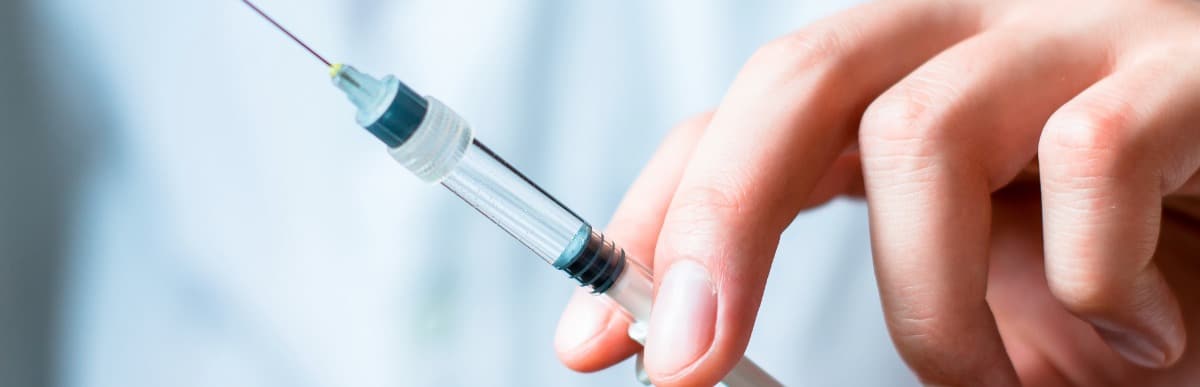
A wide range of injection therapies can help manage chronic pain after back surgery.
Epidural steroid injections deliver anti-inflammatory medication to the epidural space around the spine, reducing swelling and providing relief from nerve compression or herniated discs. Facet joint injections target the small joints between vertebrae with a mixture of numbing medication and corticosteroids, easing inflammation and discomfort often associated with arthritis or injury.
Medial branch block injections temporarily block pain signals from the nerves supplying the facet joints, both relieving pain and helping determine whether these joints are the source of ongoing symptoms. Steroid injections can reduce inflammation at the pain site, improving day-to-day function.
Trigger point injections address tight muscle knots, using an anesthetic and sometimes a steroid to relax the muscle and lessen referred pain, which is especially useful for muscle tension after surgery.
Finally, weight-loss injections such as GLP-1 medications can support chronic pain relief by promoting weight loss, which eases pressure on the spine and joints and may help reduce pain related to surgical complications.
Minimally Invasive Treatments
Some of the minimally invasive treatments available at Pain and Spine Specialists for failed surgery pain include:
- Aurora ZIP: The Aurora ZIP is a non-surgical approach that pinpoints spinal pain, using advanced methods to deliver treatment directly where it's needed most. The goal is to reduce inflammation and improve mobility, offering relief to individuals with persistent post-surgical pain.
- The Intracept Procedure: The Intracept Procedure is a minimally invasive option that addresses back pain at its source by using heat to interrupt nerve signals responsible for chronic discomfort. It's often effective for patients who continue to experience pain following surgery.
- Intrathecal Pumps: Intrathecal devices administer medication straight into the spinal fluid, ensuring efficient pain management. By targeting pain directly, they allow for lower medication doses and fewer side effects compared to oral drugs, making them ideal for ongoing pain after failed surgery.
- The Minuteman Procedure: As a minimally invasive intervention, the Minuteman Procedure focuses on key areas in the spine to relieve pain and restore function. It's particularly useful for patients whose pain persists even after surgical intervention.
- Peripheral Nerve Stimulation: PNS is a therapy that involves placing a small device near the nerves to send mild electrical pulses that help control pain. By disrupting pain signals, it can help those with chronic post-surgical pain reduce their reliance on medication.
- Radiofrequency Ablation: Radiofrequency ablation is a technique that uses targeted heat to deactivate nerves transmitting pain signals. The result is long-lasting relief and improved daily function for individuals with pain after unsuccessful surgeries.
- Sacroiliac Joint Fusion: Sacroiliac joint fusion is a surgical procedure that stabilizes the sacroiliac joint in the pelvis, helping relieve pain caused by joint instability or dysfunction. Fusing the joint can lead to significant and lasting pain reduction for those with failed back surgeries.
- Spinal Cord Stimulation: A spinal cord stimulation device is implanted during SCS to deliver electrical impulses to the spinal cord, blocking pain signals before they reach the brain. This method has helped many patients experience greater comfort and enhanced quality of life after surgery.

Ease Back Pain After Surgery with Pain and Spine Specialists
Easing lower back pain after surgery requires a combination of patience, self-care, and professional guidance. Whether you’re recovering from lower back pain surgery, experiencing discomfort after a different operation, or dealing with chronic lower back pain, proactive management can make a significant difference.
If you’re living with lower back pain after colon surgery or have questions about lower back surgery types, Pain and Spine Specialists can help. Our board-certified doctors have provided outstanding patient care for over twenty years, and we’re ready to help you, too.
Call one of our Pain and Spine Specialists offices in Florida, Maryland, Pennsylvania, and Virginia, or fill out our online form today for more information about treatments for back pain after surgery.


