
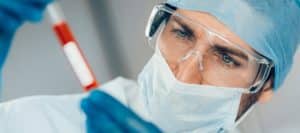
Platelet-rich plasma (PRP) therapy is an innovative treatment gaining traction in the medical and aesthetic fields. At its core, PRP therapy uses components from a person’s own blood to support healing and tissue regeneration. First, blood is drawn from the patient, processed to concentrate the platelets, and then carefully injected into targeted areas of the body. These platelets are rich in growth factors, which are believed to stimulate the body’s natural healing processes.
Platelet-rich plasma therapy was primarily used in medicine to address injuries like tendon damage or arthritis. However, its applications have expanded significantly. Today, it’s also a sought-after option in aesthetics, offering potential benefits for skin rejuvenation, hair restoration, and even scar improvement.
What’s drawing so much attention is its ability to harness the body’s biology, minimizing the need for synthetic materials while offering promising results. With its growing popularity, PRP therapy has emerged as an exciting topic in regenerative medicine and beauty treatments.

Platelet-Rich Plasma Defined
Platelet-rich plasma is a substance derived directly from a person’s blood and is used to support healing and regeneration in various parts of the body.
PRP starts with platelets, which are small cell fragments in blood responsible for blood clotting. More than just clotting agents, platelets are packed with growth factors and proteins that play a critical role in healing damaged tissues and renewing cells.
The process of creating platelet-rich plasma therapy begins with a simple blood draw, usually from the patient’s arm. This blood is then placed into a centrifuge, a machine that spins at high speeds to separate its components. Through this process, the plasma, which contains a concentrated number of platelets, is isolated from other parts of the blood, such as red and white blood cells.
The result is a substance that’s rich in the healing properties of platelets. By injecting PRP into targeted areas, such as injured joints or areas needing rejuvenation, healthcare professionals aim to amplify the body’s natural repair processes.
Because PRP originates from the patient’s blood, it reduces the risk of adverse reactions and works harmoniously with the body’s biology to promote recovery and regeneration. It’s a powerful tool for healing, leveraging the body’s natural potential.

How PRP Therapy Works
At the heart of PRP’s effectiveness are platelets, tiny components in the blood that are rich in growth factors. These growth factors are responsible for signaling cells to repair and rebuild tissues. When PRP is injected into an area of the body, it serves as a concentrated boost of these natural healing agents.
One of PRP’s key roles is promoting tissue regeneration. Once introduced to the target area, the growth factors activate the body’s repair mechanisms, encouraging damaged cells to heal and even stimulating the formation of new blood vessels. This improved blood flow is essential for delivering oxygen and nutrients to the site, further enhancing recovery.
Platelet-rich plasma therapy also plays a significant role in collagen production. Collagen is a protein that gives skin elasticity and strength while supporting tissues throughout the body. By stimulating fibroblasts, the cells responsible for producing collagen, PRP helps rebuild and strengthen tissues. This makes it especially valuable for medical treatments and also for aesthetic uses, such as reducing wrinkles and improving skin texture.
Together, these mechanisms make PRP a powerful tool in healing and regeneration.

Conditions Treated with Platelet-Rich Plasma
Platelet-rich plasma therapy has shown promise in treating a wide range of medical and cosmetic conditions, including:
- Arthritis: PRP is often used to manage arthritis, particularly in the knees. It helps reduce inflammation, slows down cartilage damage, and promotes the healing of joint tissues, leading to improved mobility and reduced pain.
- Hair Loss: For individuals experiencing hair thinning or baldness, platelet-rich plasma can stimulate hair growth by delivering growth factors directly to hair follicles. This helps strengthen the follicles and encourages thicker, healthier hair over time.
- Sports Injuries: Tendon injuries, like tennis elbow or Achilles tendinitis, can be treated with PRP. The therapy helps speed up tissue repair and reduces pain by kickstarting the body’s natural healing processes in the injured area.
- Surgical Recovery: After certain surgeries, platelet-rich plasma can assist in speeding up the recovery process. By improving tissue healing and reducing inflammation, it supports a quicker and smoother return to normal activity.
- Wrinkle Reduction: PRP is also used in aesthetic treatments to rejuvenate the skin. By boosting collagen production and improving elasticity, it helps diminish fine lines and wrinkles, resulting in a more youthful appearance.
These examples illustrate PRP’s versatility as a treatment option in both medical and cosmetic settings.

A Guide to a PRP Session
A platelet-rich plasma (PRP) therapy session is a straightforward and minimally invasive procedure that includes:
Initial Consultation and Preparation
Before the procedure begins, the practitioner will discuss the patient's medical history and treatment goals. This is an important step to ensure PRP therapy is the right choice. Once confirmed, the patient is prepared for the session, which may include cleansing the area to be treated and reviewing any necessary instructions for the day.
Blood Draw
The process starts with a small blood sample, typically drawn from the patient's arm, similar to a routine blood test. The amount of blood taken depends on the area being treated. This step is quick and carefully performed to ensure the patient remains comfortable throughout.
Processing the PRP
The blood sample is placed in a centrifuge, a machine that spins at high speeds to separate the platelet-rich plasma from other components of the blood. This step takes about 10-15 minutes and is key to isolating the concentrated platelets that help promote healing and rejuvenation.
PRP Injection
Once the platelet-rich plasma is ready, the practitioner injects it directly into the targeted area. For comfort, a numbing agent may be applied beforehand. The injection process is relatively quick, and patients generally report only mild discomfort, if any. This step allows the PRP to start working at the cellular level.
Post-Treatment Care
After the injection, the practitioner will provide detailed aftercare instructions to optimize results. Most patients can resume normal activities the same day, though it's common to experience slight swelling or tenderness in the treated area. The practitioner may schedule follow-up appointments to monitor progress and adjust the treatment plan if needed.
This straightforward process ensures that platelet-rich plasma therapy is effective and accessible, providing numerous patients with a pathway toward healing and rejuvenation.

Benefits of Platelet-Rich Plasma
PRP therapy is commonly used to accelerate healing for sports injuries, such as tendonitis or ligament strains, helping individuals return to their daily activities or athletic pursuits more quickly. It has also been shown to improve joint pain caused by conditions like osteoarthritis, offering relief for individuals looking to avoid more invasive treatments like surgery.
Beyond treating injuries, PRP is widely recognized for its role in aesthetic medicine. It supports hair growth in cases of thinning hair and rejuvenates skin by improving texture, reducing wrinkles, and giving the skin a fresh, youthful appearance.
Because PRP therapy stimulates natural healing, results often improve over time, providing long-lasting benefits. This innovative approach empowers individuals to take control of their health and recovery holistically and sustainably, tailored specifically to their unique needs.

Experience the Potential of PRP Therapy at Pain and Spine Specialists
At Pain and Spine Specialists, we are dedicated to providing our patients with cutting-edge treatments that promote healing and improve quality of life. Through our partners at Shakthi Health and Wellness, we provide a range of alternative and holistic treatment options to ensure that our patients receive comprehensive care, including PRP therapy.
Find out more about how plasma-rich plasma therapy can be a catalyst for change in your life by calling a Pain and Spine Specialists location near you in Florida, Maryland, Pennsylvania, or Virginia, or contacting us through our convenient online form today.


