Transcranial Magnetic Stimulation Treatment
In Maryland, Pennsylvania, Florida, and Virginia
Transcranial magnetic stimulation (TMS) is a non-invasive treatment that uses magnetic fields to stimulate nerve cells in the brain, helping to improve symptoms of certain mental health conditions. At Pain and Spine Specialists, we're proud to offer TMS therapy as part of our comprehensive approach to mental health care. Our goal is to provide effective, personalized treatments that help you live a healthier, happier life.
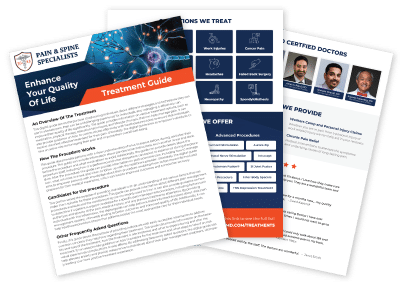
Digital Guide
Treatment overview and more!
How TMS Works
Transcranial magnetic stimulation has been shown to be effective in managing various mental health disorders and pain conditions, offering hope and relief to patients who haven't found success with traditional treatments. The TMS procedure is noninvasive, meaning there are no needles or incisions, and patients can expect to experience minimal side effects, so there's no need for TMS anxiety.
Curious about what our TMS services entail, the mental health conditions we treat, or how we evaluate patients? Feel free to explore further using the navigation buttons below. Our team of dedicated TMS specialists is ready to guide you on the path to wellness.
If you're ready to take the next step, we're here to help. Schedule a new patient consultation with one of our TMS specialists today. You can submit a contact form or give us a call. We look forward to partnering with you and enhancing your health with our TMS program.


What Patients Are Saying
Great office, good people. Been there quite a few years. Never a problem. Leave them a message, they always respond. I've had six back surgeries 2knees and right shoulder. Gregg keeps my chronic debilitating pain managed well so I can still live my life best I can. Im so grateful.
Jenny Martins / google review
Dr. Rao. I can't find the words to tell you how much he has meant to me. I followed him from an old practice to his very new high tech office. They offer so many different areas of assistance to those with issues from nutrition to spinal surgery... and much more. His office is professional.
Mom To2 / vitals
Dr. Rao is such an amazing doctor! During my first visit, he never tried to rush through my appt.; he genuinely listened to all my concerns and then took his time to explain to me in detail all his recommendations and how they would help me.
Nikki / healthgrades
Digital Treatment Guide
Digital Guide
At Pain and Spine Specialists, our team of stellate ganglion block specialists are committed to giving you the most effective treatment when treating your pain. We believe that all patients should have access to exceptional care.

More Resources
Access to our Transcranial Magnetic Stimulation guide, pain quiz, FAQ's, and patient reviews.


We Accept All Insurances
Individualized Patient Care
Board Certified Doctors
Seen Within Two Weeks
What Is Anxiety?
Anxiety is the body’s natural physiological reaction to fear and stressful situations, which activates the fight-or-flight response. Anxiety is predominantly characterized by feelings of nervousness and apprehension, usually triggered by a specific event. While the fight-or-flight response was once the body’s way of protecting itself from dangers, like with predators, it is now brought on by things like public speaking or test taking. Anxiety is a natural human feeling, but people may experience this emotion at extreme levels, on a regular basis, which can indicate a deeper problem.
Symptoms of anxiety can range from emotional to physical. These symptoms can be anxious thoughts or feelings, a sensation of spiraling, irritability or low mood, heart palpitations, sweating, headaches, fatigue, upset stomach, and depression resulting from anxiety. Those who suffer from anxiety are not able to get past their anxiety and may even get worse over time. Anxiety can significantly interfere with a person’s daily life, including aspects such as job performance, school work, relationships, household chores, exercise, and much more.
According to the American Psychiatric Association, 3.5 percent of adults in the United States are affected by PTSD, and around one in eleven people will be diagnosed with PTSD at some point in their lifespan. Anyone with PTSD is at risk of developing an anxiety problem.
Stellate Ganglion Block Treatment for Anxiety
If you are dealing with the effects of anxiety stemming from PTSD then speak with your doctor so that you can find out what treatment options are available to you. One treatment you may be recommended is a stellate ganglion block, which is one of the more successful forms of anxiety therapy in comparison to traditional methods.
Stellate ganglion blocks are a type of injection that can be used on certain nerves in the body to help with anxiety. The nerves that are targeted are known as the stellate ganglion nerves, which are located in the front of the neck and are part of the sympathetic nervous system. The sympathetic nervous system stems from the autonomic nervous system, which are the nerves that control involuntary bodily functions and responses. The stellate ganglion nerves control the amygdala, located in the brain, which deals with survival instincts and the way a person expresses emotions, particularly those like fear. The amygdala is stimulated when a person has an anxiety problem and produces a response that leads to the symptoms associated with anxiety.
The SGB block for anxiety is an injection of local anesthetic to numb the targeted nerves and reduces this response of the amygdala. Specifically, less of the neurotransmitter known as norepinephrine, which is the stress hormone, is produced and signals of anxiety are no longer sent to the brain. The brain is not being fed constant messages that make it believe it is in danger and is given the chance to calm down and reset.
Stellate ganglion nerve blocks have been shown to be a safe and effective option, with few risks. The chances of general side effects occurring are very low and chances of serious side effects are even lower. Results can usually start to take effect around thirty minutes after receiving the injection and can last anywhere from months to years.
Being treated with SGB can allow a person to reclaim their life and can improve sleep, work, school, relationships, hobbies, regular daily activities, and more. Anxiety and related symptoms do not have to control you. You can take action now and start getting treated for your anxiety with safe, scientific based methods.
Consider Other Mental Health Services
Gemini Health, one of our sister offices, provides therapy services to those who are interested in getting treatment for anxiety. Our Gemini Health team offers a free hour long consultation, where you will receive a mental health assessment with a professional therapist. After the consultation, the therapist will make a recommendation for different therapy approaches based on your specific needs and wants. A person-centered plan is designed to help you meet your goals while providing effective treatment. Once this is done then you may start a group or individual therapy that has been recommended for you.
Gemini Health offers the a variety of treatment options, which incorporate evidence based practices including:
• Motivational Interviewing: Motivational interviewing is a collaborative counseling method that helps people resolve ambivalent feelings and insecurities. Motivational interviewing allows a person to find the motivation they need on their own to be able to change their behavior.
• Dialectical Behavioral Therapy: Dialectical behavioral therapy is a modified form of cognitive behavioral therapy that teaches people the skills they need to cope with stress. People are then able to regulate their emotions and change self-destructive behaviors.
• Cognitive-Behavioral Therapy: Cognitive-behavioral therapy is a popular type of talk therapy that focuses on changing thoughts and behavior to improve anxiety symptoms. This therapy teaches people better life and coping skills and has been shown to effectively treat anxiety by improving a person’s ability to function.
• Cognitive Processing Therapy: CPT is a type of therapy that seeks to address how a person views themself and challenges any negative perceptions. This gives people the ability to take control of their thoughts and, therefore, their lives.
Gemini TMS specializes in a treatment known as transcranial magnetic stimulation. This form of treatment, also referred to as TMS therapy, is another effective method of treating the symptoms of anxiety and is usually used when medication and talk therapy have previously failed. TMS is a non-invasive procedure that involves the use of magnetic fields to stimulate the nerve cells in the brain. To conduct TMS therapy, a specialist will place a TMS cap on the head, which sends out magnetic pulses to a targeted area of the brain that have been mapped out beforehand. It is painless and does not require any overnight stays. If you wish to schedule an appointment for your first consultation, call (301) 363-1063.
The History of TMS
The development of transcranial magnetic stimulation can be traced back to the late 20th century when researchers discovered that magnetic fields could safely and effectively stimulate the human brain. In the years since its inception, TMS has undergone extensive research and clinical trials, leading to its approval by the U.S. Food and Drug Administration in 2008 for the treatment of major depressive disorder.
Over the past decade, transcranial magnetic stimulation has continued to gain recognition and acceptance as a viable treatment option for various mental health conditions. With ongoing research and advancements in technology, TMS is expected to play an increasingly prominent role in the future of mental health care.

How Does TMS Therapy Work
How does TMS work on the brain? This technique works by using a specialized coil placed on the scalp, which generates brief magnetic pulses that penetrate the skull and reach the targeted brain region. These magnetic pulses stimulate nerve cells in the brain, helping to regulate mood and alleviate symptoms associated with mental health conditions. The procedure is painless and does not require anesthesia, allowing patients to remain awake and comfortable throughout the treatment.
How Long Does TMS Take to Work?
This treatment requires several sessions, usually with symptom relief appearing early on. TMS can be utilized on its own, or it can be combined with medication and talk therapy.
What Does TMS Feel Like?
Most people report a slight tingling sensation on the scalp while undergoing TMS, but this sensation resolves quickly and is not painful. Many patients find the experience to be comfortable and relaxing. With no anesthesia or sedation required, you can remain alert throughout the treatment session, allowing you to resume normal activities immediately afterward.
How Long Does TMS Last?
The duration of TMS effects can vary significantly from one individual to another, largely depending on the nature and severity of the mental health disorder being treated. However, studies have indicated that the benefits of TMS are typically long-lasting. Many patients experience symptom alleviation for an extended period post-treatment, often for several months or even years.
Regular follow-up sessions are recommended to help maintain the benefits of the treatment. In some cases, maintenance treatments or 'booster' sessions may be recommended to ensure the effects of the treatment are sustained. It is important to have a discussion with your healthcare provider to understand the expected duration of effects, given your specific circumstances.
TMS Therapy Benefits
TMS therapy offers several advantages compared to traditional psychiatric treatments. Benefits include:
Non-Invasive Brain Stimulation
One of the key advantages of TMS is its non-invasive nature. Unlike other treatments that may require surgery or anesthesia, TMS involves placing a magnetic coil on the scalp to deliver targeted stimulation to specific areas of the brain.
Fewer Side Effects Than Traditional Treatments
TMS is relatively low risk and has fewer side effects compared to traditional treatments like medication. Medications can lead to various side effects, such as weight gain, fatigue, and sexual dysfunction; TMS is associated with minimal side effects.
people worldwide suffer from depression. - NIH
of individuals with depression do not respond to first-line antidepressant therapy. - Medicine Journal
For combined psychotherapy and TMS treatment. - Neurocare
Conditions Treated with TMS
Transcranial Magnetic Stimulation (TMS) has been shown to be a versatile and effective treatment for various mental health conditions and neurological disorders. By targeting specific areas of the brain with magnetic pulses, TMS can alleviate symptoms and improve overall quality of life for patients with the following conditions:
- Depression: TMS has been widely recognized as a successful treatment option for individuals suffering from a major depressive disorder. For those who have not experienced relief through medication or therapy, TMS offers a promising alternative, often resulting in significant improvements in mood, energy levels, and overall well-being.
- Anxiety Disorders: Anxiety disorders, including generalized anxiety disorder, panic disorder, and social anxiety disorder, can be effectively managed with TMS. By stimulating specific regions of the brain associated with anxiety, Transcranial Magnetic Stimulation for anxiety can help reduce symptoms and promote a greater sense of calm and control.
- Obsessive-Compulsive Disorder (OCD: OCD is characterized by persistent, intrusive thoughts and compulsive behaviors that can severely impact daily life. TMS has shown promising results in reducing the intensity of these thoughts and urges, enabling patients to manage their OCD symptoms better.
- Post-Traumatic Stress Disorder (PTSD): Individuals suffering from post-traumatic stress disorder (PTSD) often experience debilitating flashbacks, nightmares, and emotional distress. TMS can help alleviate these symptoms by targeting the brain regions responsible for processing traumatic memories, providing relief for PTSD sufferers. Transcranial magnetic stimulation PTSD treatment has made a significant difference in many people's lives.
- TMS Therapy for Pain: TMS has shown promise in treating chronic pain conditions, such as fibromyalgia and neuropathic pain. By stimulating the areas of the brain involved in pain perception, TMS can help reduce the intensity and frequency of pain sensations.
- Autism Spectrum Disorder (ASD): Recent research has suggested that TMS may be beneficial for individuals with autism spectrum disorder (ASD). While more studies are needed to understand the potential benefits of TMS for ASD fully, early results indicate improvements in social interaction, communication, and repetitive behaviors.

Determining Candidacy for TMS Treatment
TMS therapy requires a psychiatric TMS evaluation before beginning treatment. A psychiatric evaluation is crucial to assess whether TMS is an appropriate and safe treatment option for a patient's specific condition and circumstances.
The TMS diagnosis is conducted by a certified TMS psychiatrist or a psychiatric nurse practitioner. The evaluation typically explores the patient's mental health history, current symptoms, and previous responses to treatments. It ensures that there are no conditions present that would contraindicate the use of TMS.
At Pain and Spine Specialists, we partner with Gemini Health to offer patients access to psychiatric evaluations. This collaboration aims to ensure that every patient has access to a thorough, professional psychiatric evaluation.
Overview of the TMS Procedure
During a TMS session, a magnetic coil is placed on your scalp and connected to a TMS machine. Transcranial magnetic stimulation devices
generate brief magnetic pulses that penetrate the skull, stimulating specific areas of the brain responsible for mood regulation and other cognitive functions.
A typical TMS session lasts between 30 and 60 minutes, depending on the specific treatment protocol of your provider. Throughout the procedure, you will remain awake and alert, allowing you to resume your normal activities immediately following the session.
The number of TMS sessions required varies depending on the individual patient's needs and the severity of their condition. Generally, a course of treatment consists of 20 to 30 sessions administered over a period of 4 to 6 weeks. Our providers will monitor your progress and adjust the treatment plan as needed.
Possible TMS Side Effects
Transcranial magnetic stimulation is generally considered a safe and non-invasive treatment. However, like any medical procedure, there are some potential TMS side effects:
- Mild Headache: Some patients may experience mild headaches following a TMS session. Over-the-counter pain relievers can often alleviate this discomfort.
- Scalp Discomfort: The magnetic pulses delivered during TMS can cause a temporary sensation of tingling or discomfort at the site of the coil placement on the scalp.
- Muscle Twitching: In rare cases, magnetic stimulation may cause involuntary muscle twitching in the face or other areas of the body.
- Seizures (Rare): Though extremely rare, seizures have been reported as one of the potential TMS therapy side effects. If you have a history of seizures or epilepsy, discuss this with your healthcare provider before beginning treatment.
Side effects of TMS therapy are typically temporary and often lessen after the first week of treatment. It's important to note that everyone's experience with TMS will be different, and side effects vary from person to person. Generally, however, the transcranial magnetic stimulation success rate is very high. We encourage open communication with our team throughout your treatment process. If you experience any discomfort or side effects of TMS treatment, please let us know immediately.
Transcranial Magnetic Stimulation Cost
At Pain and Spine Specialists, our TMS physicians believe that cost should never be a barrier to receiving the care you need. We understand that navigating the financial aspects of healthcare can be challenging, which is why we're committed to providing clear, upfront information about the cost of transcranial magnetic stimulation (TMS) treatment.
So, how much is TMS therapy? The cost of TMS therapy can vary significantly based on several factors, including the duration and frequency of your treatment sessions and whether any additional treatments are required. However, it's important to note that many insurance companies cover TMS therapy for conditions such as depression when certain criteria are met.
We have a dedicated team of patient coordinators who work closely with insurance providers to determine coverage and ensure that you understand your benefits before beginning treatment.
TMS Therapy in Maryland, Pennsylvania, and Virginia
At Pain and Spine Specialists, we believe in a comprehensive approach to healthcare. We understand that each patient's experience with pain is unique and effective treatment requires a thorough understanding of all aspects of their health - both physical and mental.
We recognize the deep interconnection between physical pain and mental health. Our team of experienced specialists employs a suite of advanced techniques, including transcranial magnetic stimulation, to address these complex relationships. By offering personalized care plans that consider the whole person, we aim to not only alleviate physical symptoms but also enhance overall well-being.
How to Get Started
Starting your journey to pain relief and improved mental health with Pain and Spine Specialists is simple. Don't search online for "transcranial magnetic stimulation providers near me" or "TMS therapists near me". You can begin by filling out the contact form provided below. One of our TMS specialists will review your submission and get back to you as soon as possible to discuss the next steps.


Digital Guide
View our providers, locations, services, and patient reviews.
More Resources
Here is a list of resources that were discussed on this page:
Related Resources

Find a Location
If you are searching for "Transcranial Magnetic Stimulation treatment" then click button to search by zip-code.
Contact Us
Suffering from treatment-resistant depression? Let our specialists help. Contact us today for personalized treatment options.

Schedule Appointment

Ask A General Question
Ask A Question

Billing / Insurance Question
Billing / Insurance

Cancel / Reschedule Request
Cancel / Reschedule
*We accept workers' comp and personal injury claim patients
*We accept workers' comp and personal injury claim patients
Appointment FAQ's
We Accept All Insurances!
That includes Medicare and state Medicaid.
Usually within one week of the initial call.
Appointments can be schedule by phone or through our contact form here.
At Pain and Spine Specialists we provide comprehensive pain care while offering the most up-to-date minimally invasive techniques. Our ethos is to treat each patient (and potential patient) as if they were a family member.
At Pain and Spine Specialists we want to provide the most efficient and pleasurable experience possible. As in all medical facilities, we have certain policies in place to ensure that you receive the time you require to address your needs as well as enhance your experience while in our care.
We encourage patient feedback to better improve your experience. We strive to create a friendly and warm environment where patients feel their voices are heard and validated.
Meet Our Team
Transcranial Magnetic Stimulation Specialists in Maryland, Pennsylvania, Florida and Virginia
At Pain and Spine Specialists, our team of TMS Doctors is committed to giving you the most effective treatment when treating your Depression. We believe that all patients should have access to quality care, and that is why you can find us conveniently located in Maryland, Pennsylvania, Florida, and Virginia.