
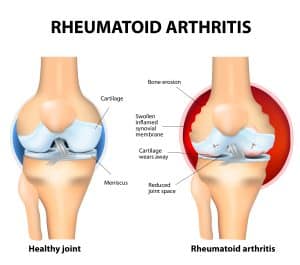
Rheumatoid arthritis is a chronic autoimmune disease that affects the joints, causing pain, stiffness, and swelling. It is characterized by an overactive immune system that mistakenly attacks the body's own tissues. This results in inflammation, leading to damage to cartilage and bones.
Treatments For Rheumatoid Arthritis
Rheumatoid arthritis affects many people globally. It is an autoimmune disorder that causes joint inflammation, leading to discomfort and pain. The prevalence of this disease is significant, impacting people across all age groups, from young adults to older adults. Tackling rheumatoid arthritis early can make a significant difference in pain relief and disease progression.
To learn more about the causes, symptoms, and treatments for rheumatoid arthritis, please use the navigation buttons below.
If you're prepared to take the next step, our team of dedicated rheumatoid arthritis specialists is ready to assist you. To schedule a consultation for new patients, simply submit a contact form or give us a call. Early diagnosis and treatment of RA can greatly impact pain relief and slow disease progression.
What Is Rheumatoid Arthritis?
Rheumatoid arthritis is an autoimmune disorder where your body's immune system mistakenly attacks your own tissues, primarily affecting the joints. It is not a rare condition, with millions of people globally living with its effects daily.
This disease does not discriminate; it affects both genders, all races, and various age groups. However, it is more prevalent in women and typically begins in middle age.
Rheumatoid arthritis primarily impacts your joints, especially your hands and feet. Over time, it can also affect other systems in your body, such as your skin, eyes, lungs, heart, and blood vessels.

Joint anatomy, osteoarthritis and rheumatoid arthritis infographic with anatomical illustrations
Causes of Rheumatoid Arthritis
Rheumatoid arthritis occurs when your immune system mistakenly attacks your own body's tissues. While the exact cause remains unknown, it is believed that a combination of genetics and environmental factors, such as smoking or exposure to certain types of bacteria, may trigger its onset.
Risk Factors
Anyone can develop rheumatoid arthritis, but several factors can increase your likelihood. These include being female, as women are more likely to develop the disease, and age, as it most commonly begins between the ages of 40 and 60. Genetic predisposition also plays a crucial role, with some people having specific genes that make them more susceptible. Lifestyle factors such as smoking or obesity further increase the risk.
Approximately 54.4 million U.S. adults reported to be living with a form of arthritis.
Between 2019 – 2021 one in five US adults (21.2% of the population) had doctor-diagnosed arthritis.
By 2040, the prevalence of arthritis will increase to 24%.
Rheumatoid Arthritis Symptoms
The most common signs and symptoms of rheumatoid arthritis include tender, warm, swollen joints, joint stiffness that is usually worse in the mornings and after inactivity, as well as fatigue, fever, and loss of appetite.
However, you must be aware that these symptoms can vary based on the severity of your condition. In milder cases, you might only experience slight discomfort and stiffness in the joints. As the disease progresses, you may feel more pronounced joint pain, along with increased difficulty in movement. At its most severe stage, rheumatoid arthritis can lead to significant joint damage and deformity, causing substantial impairment in mobility.
Living with Rheumatoid Arthritis
When you live with rheumatoid arthritis, you might wake up to stiffness in your joints, particularly in your hands and feet, which often lasts for many hours. This continuous discomfort and pain can significantly impact your quality of life, making simple tasks such as opening jars, standing for extended periods, or even walking feel daunting.
However, amidst these challenges, coping mechanisms and lifestyle adjustments can help you manage your symptoms:
- Exercise: Exercise is one such coping mechanism. Regular physical activity can help strengthen the muscles around your joints, improve flexibility, and combat fatigue.
- Adopting a balanced diet: Diets rich in fruits, vegetables, lean proteins, and healthy fats can help manage inflammation and promote overall health.
- Support groups: In these groups you can connect with others navigating similar challenges. Sharing experiences, tips, and encouragement can provide emotional relief and practical guidance.

Injections for rheumatoid arthritis treatment
Our Pain and Spine Specialists team provides many different treatment options for rheumatoid arthritis to fit the varying needs of our patients.
For example, we specialize in injections for rheumatoid arthritis, such as:
- Hyaluronic Injections: Also known as viscosupplementation, these injections are used to treat osteoarthritis of the knee. They supplement the joint fluid in your knee to help lubricate it, reducing pain and improving mobility.
- Corticosteroid Injections: If osteoarthritis is affecting the facet joints in your spine, these injections can deliver steroids directly into the affected joints to reduce inflammation and pain.
Conventional Treatments
In combination with injections and advanced procedures, we use conventional therapies such as medication management programs. These programs are designed to use medications strategically to effectively manage RA pain. The approach encompasses both over-the-counter and prescription medications aimed at easing your discomfort and enhancing your quality of life.
Alternative Therapies
We partners with Shakthi Health and Wellness Center, for alternative therapies for chronic pain conditions. Here are some alternative therapies that may help with RA Pain:
- Acupuncture: Acupuncture uses fine needles are inserted in the skin at specific points on the body, helpful in managing pain and discomfort associated with RA.
- Dietary Changes: Anti-inflammatory diets, rich in fruits, vegetables, whole grains, and omega-3 fatty acids, may help reduce RA symptoms for some people.
- Infrared Sauna: This form of therapy uses infrared panels instead of conventional heat to penetrate human tissue. This infrared heat can help reduce pain and stiffness associated with rheumatoid arthritis (RA).
Explore Our Webinars and Podcasts
Learn about The Conditions We Treat and the treatments We offer from our board-certified doctors.

Frequently Asked Questions
For arthritis treatment, you should consider seeing a rheumatologist, an orthopedic surgeon, and importantly, a pain management specialist who can help devise strategies to manage chronic pain associated with arthritis.
Knee osteoarthritis new treatments in HA injections, Radiofrequency ablation, and Sacroiliac joint injections.
Yes, there are treatment options available for osteoarthritis in the neck. Some common treatments include:
Medications: Non-steroidal anti-inflammatory drugs (NSAIDs) can help reduce pain and inflammation, while corticosteroids can provide short-term relief.
Physical therapy: A physical therapist can recommend exercises and stretches to improve neck flexibility and strengthen the muscles supporting the neck.
Injections: Corticosteroid injections can be directly injected into the affected joint to provide temporary relief.
Surgery: In severe cases where other treatments have not been effective, surgery may be necessary to repair or replace damaged joints.
It is important to consult with a healthcare professional to determine which treatment option is best for you based on your specific condition and needs.
Yes, there are treatment options available for osteoarthritis in the neck. Some common treatments include:
Medications: Non-steroidal anti-inflammatory drugs (NSAIDs) can help reduce pain and inflammation, while corticosteroids can provide short-term relief.
Physical therapy: A physical therapist can recommend exercises and stretches to improve neck flexibility and strengthen the muscles supporting the neck.
Injections: Corticosteroid injections can be directly injected into the affected joint to provide temporary relief.
Surgery: In severe cases where other treatments have not been effective, surgery may be necessary to repair or replace damaged joints.
It is important to consult with a healthcare professional to determine which treatment option is best for you based on your specific condition and needs.
Choose Pain and Spine Specialists for Arthritis Treatment
At Pain and Spine Specialists, we understand that each patient is unique, and so should their treatment plan. This is why we offer a wide range of therapies, from injection therapies and advanced interventional procedures to conventional and alternative treatments for RA pain. We aim to provide a personalized treatment plan that addresses your specific needs and improves your mobility.
Find a Treatment Location Near You
Many of our pain providers travel to multiple locations in multiple states. Click here to learn more about our providers and the states they cover.


