

Osteoarthritis is the most common form of arthritis, affecting millions of people worldwide. It typically develops gradually, leading to cartilage breakdown in your joints. As this cushion wears away, bones begin to rub against each other, leading to pain, swelling, stiffness, and reduced mobility.
Osteoarthritis can impact any joint, but most frequently affects the knees, hips, hands, and spine. For many, these symptoms interfere with daily activities and diminish overall quality of life.
Finding an effective treatment for osteoarthritis can be challenging. Standard approaches such as physical therapy, oral pain medications, corticosteroid injections, and even surgery do not always provide the relief people hope for.
In recent years, regenerative medicine has gained attention as a potential alternative to traditional treatments, with platelet rich plasma therapy leading the way.

What Is Platelet Rich Plasma Therapy?
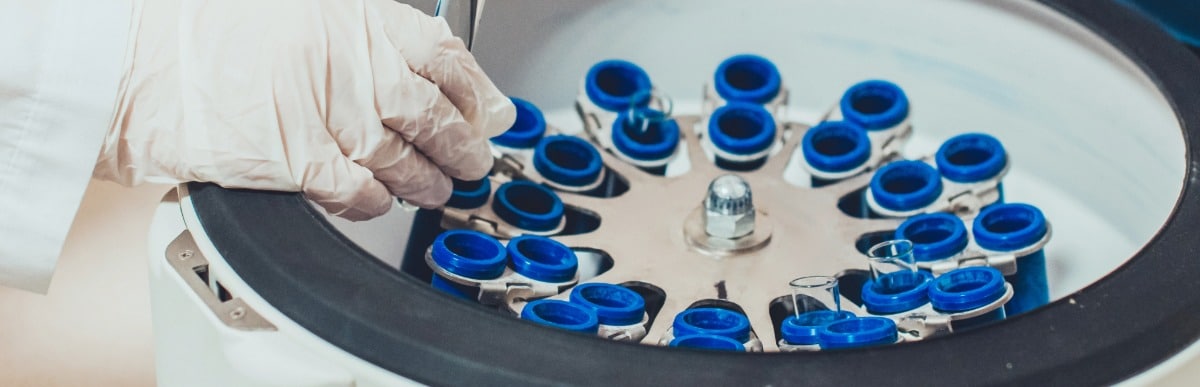
Platelet rich plasma therapy, often abbreviated as PRP, is an innovative treatment that harnesses the body’s natural healing abilities. The process begins by drawing a small blood sample. This blood is then spun in a centrifuge to separate its components.
The result is a concentrated plasma rich in platelets, which contain powerful growth factors and proteins vital for tissue repair and inflammation control.
Once prepared, the platelet rich plasma is injected directly into the affected joint—such as the knee, hip, or spine. The goal is to stimulate the body’s natural healing response, reduce inflammation, and promote the regeneration of damaged tissue. Because this treatment uses your own blood, the risk of adverse reactions is minimal.
How Platelet Rich Plasma Works for Osteoarthritis
Platelet rich plasma for joint pain is thought to help by releasing growth factors that accelerate tissue repair and modulate inflammation. When injected into an arthritic joint, the PRP can support the healing of cartilage and surrounding tissues, potentially slowing the progression of osteoarthritis.
Several clinical studies have shown promising results, especially for those with knee osteoarthritis. Patients often report reduced pain, improved joint function, and increased mobility after receiving platelet rich plasma injections for osteoarthritis of the knee.
While research is ongoing, PRP is becoming an increasingly popular option for people seeking alternatives to surgery or long-term medication use.

Platelet Rich Plasma for Knee Osteoarthritis
Knee osteoarthritis is a leading cause of disability among adults. Traditional treatments like anti-inflammatory drugs and corticosteroid injections offer temporary relief but do not address the underlying degeneration.
Platelet rich plasma for knee osteoarthritis provides a regenerative approach that may help restore joint health.
The process for platelet rich plasma knee injections usually includes:
- A healthcare professional draws a small amount of your blood for the procedure.
- The blood sample is then processed in a centrifuge to concentrate the platelets.
- After preparation, the platelet rich plasma is injected directly into the knee joint using ultrasound guidance for precise placement.
- Most patients can resume their normal activities shortly after the procedure.
PRP injections are usually performed in a medical office and require minimal downtime. Many people report gradual improvements in pain and function over the following weeks.
Comparing Platelet Rich Plasma to Other Treatments
Unlike corticosteroid injections, which can provide quick but short-lived relief, platelet rich plasma injections for osteoarthritis of the knee aim to promote long-term healing.
While corticosteroids may actually weaken tissues with repeated use, PRP works to support tissue regeneration. Oral pain medications, on the other hand, often come with potential side effects and do not target the source of the problem.
Physical therapy remains an important part of osteoarthritis management, but for those who have not found sufficient relief, platelet rich plasma injections for knee osteoarthritis could offer a new path forward. Surgery, such as joint replacement, is often considered a last resort. PRP therapy may help some people delay or avoid surgery altogether.
Who Is a Candidate for Platelet Rich Plasma Therapy?
Platelet rich plasma therapy is not a one-size-fits-all solution.
It is most commonly considered for people who:
- Have Mild to Moderate Osteoarthritis
- Are Not Responding to Conservative Care
- Want to Avoid Surgery
- Prefer a Natural, Minimally Invasive Option
People with certain medical conditions, such as active infections or blood disorders, may not be suitable candidates. A thorough evaluation by a qualified healthcare provider is essential to determine if PRP is right for you.
What to Expect from Platelet Rich Plasma Injections
The experience of platelet rich plasma injections often follows a similar process in most clinics. After your initial assessment, if PRP is recommended, the entire procedure usually takes about an hour. Most patients tolerate the injections well, reporting only mild discomfort at the injection site.
Recovery is typically quick. Some people experience temporary soreness or swelling, but these symptoms generally resolve within a few days. Results are not immediate. It may take several weeks to notice improvements in pain and function, as the healing process unfolds gradually. A series of injections may be recommended for optimal results.
Platelet Rich Plasma for Other Types of Joint Pain
While much of the research has focused on the knee, platelet rich plasma for joint pain can also be used in other areas. For example, people with hip, shoulder, or ankle osteoarthritis may benefit from PRP injections. Platelet rich plasma for back pain is another area of growing interest, particularly for those with degenerative disc disease or facet joint arthritis.
Some key benefits of platelet rich plasma therapy include:
- Minimally Invasive
- Harnesses Your Body’s Healing
- Low Allergy or Infection Risk
- May Delay Surgery
- Works For Multiple Joints
Together, these advantages make platelet rich plasma therapy an appealing option for individuals seeking effective, natural relief from joint pain and osteoarthritis.

Reclaim Your Mobility with Platelet Rich Plasma Therapy at Pain and Spine Specialists
As regenerative medicine continues to evolve, platelet rich plasma for knee pain and other forms of osteoarthritis is likely to become even more refined. While PRP is not a cure for osteoarthritis, it offers hope for many seeking relief beyond traditional treatments.
If you are considering platelet rich plasma injection for knee osteoarthritis or are searching online for “platelet rich plasma injections near me”, our board-certified doctors at Pain and Spine Specialists can help.
We are dedicated to offering the most advanced platelet rich plasma therapy for knee osteoarthritis, focusing on effective, compassionate care designed around your unique needs.
Schedule an appointment with our Pain and Spine Specialists team today or call one of our locations near you to explore how platelet rich plasma therapy could help you find lasting relief and restore your mobility.


