

Hair loss is a common concern for both men and women. It may appear as general thinning, bald patches, or hair loss affecting only one side of the head. In some cases, people might also experience an itchy scalp, head discomfort, or worry about increased scalp visibility. These changes often prompt people to seek explanations and solutions.
Hormone replacement therapy is often used to address symptoms caused by hormonal changes, especially during menopause or certain medical conditions. Because hormones play a significant role in regulating hair growth, some people consider hormone replacement as a possible solution for hair loss.
Can hormone replacement help hair loss?

Understanding Hair Loss
Everyone loses hair each day. In fact, normal hair loss ranges from 50 to 100 hairs daily as part of the hair’s natural growth cycle. This process is usually so subtle that it goes unnoticed. However, when hair loss becomes excessive, is concentrated in specific areas such as hair loss on one side of head, or is accompanied by symptoms like an itchy scalp and alopecia, it is time to look deeper.
Not all hair loss follows the same pattern. Some people notice general thinning, while others are troubled by one sided hair loss. There can also be additional symptoms, such as an itchy scalp, visible scalp through thinning hair, or even hair loss and fatigue. These variations can offer important clues about the underlying causes.
Why Can I See My Scalp Through My Hair?
One of the first signs many people notice is increased scalp visibility. As hair density diminishes, the scalp becomes more apparent. This can result from overall thinning, as well as patchy or regional hair shedding. When hair loss is accompanied by other symptoms such as hair loss and tiredness or hair loss and head pain, it may indicate a systemic issue that requires a closer look.
What Causes Hormonal Hair Loss?
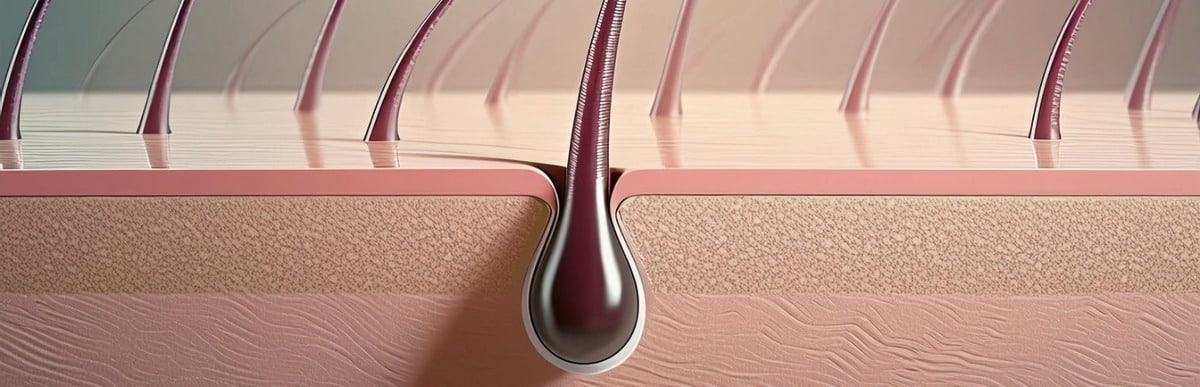
Hormonal hair loss, also known as androgenetic alopecia in its most common form, can be driven by shifts in hormones such as estrogen, progesterone, and testosterone.
Women often experience hormonal imbalance hair loss during life transitions such as pregnancy, postpartum, perimenopause, and menopause. Men may notice changes as testosterone and its derivative dihydrotestosterone (DHT) affect hair follicles.
Other factors, such as thyroid problems, polycystic ovary syndrome (PCOS), and even certain medications, can disrupt hormone balance and contribute to hair loss. High blood pressure hair loss is another topic of concern, as some blood pressure medications are known to affect hair growth.
Itchy Scalp and Hair Loss
An itchy scalp and hair loss often go hand in hand. Itching can precede or accompany shedding. This may be due to inflammation, skin conditions like seborrheic dermatitis, allergic reactions, or the body’s response to hormonal fluctuations. When itching is accompanied by visible thinning, hair loss on one side of the head, or patchy baldness (alopecia), it is important to seek professional advice to determine the underlying cause.
Hair Loss and Head Pain
While less common, some people experience hair loss and head pain together. This discomfort can be due to scalp inflammation, underlying dermatologic conditions, or tension from hair styling practices. If you notice both symptoms, it is important to mention them to your healthcare provider, as they may help pinpoint the root cause.
Hair Loss and Fatigue
Sometimes, hair loss does not occur in isolation. Hair loss and fatigue or hair loss and tiredness can point to underlying health conditions such as thyroid disorders, iron deficiency, or chronic stress. When hair loss is paired with other systemic symptoms, a holistic approach to diagnosis and treatment is essential.

What Type of Doctor Treats Hair Loss?
If you are experiencing persistent or distressing hair loss, seeking medical advice is crucial. But what type of doctor treats hair loss? The best starting point is usually a dermatologist, as these specialists are trained to diagnose and treat hair and scalp disorders.
Endocrinologists may become involved if there is suspicion of hormonal causes, and in some cases, a primary care physician can help with initial investigations and referrals. Trichologists, though not medical doctors, also focus on hair and scalp health and may offer valuable guidance.
The Connection Between Hormone Replacement Therapy and Hair Loss
Hormone replacement therapy (HRT) is often discussed as a remedy for hormone-related symptoms, especially in menopausal women. But what about hormone replacement therapy and hair loss?
The relationship is complex. For some, HRT can help stabilize hormone levels and support hair regrowth or reduce further hair loss. For others, the effects may be minimal or even negative, depending on individual sensitivities and underlying health conditions.
HRT involves supplementing the body with hormones that are no longer produced in sufficient quantities. In women, this often means estrogen and sometimes progesterone, especially during menopause. In men, testosterone replacement may be considered for those with low levels.
HRT can help address symptoms like hot flashes, sleep disturbances, and mood changes, and in some cases, it may also benefit hair growth. However, the response is highly individual. Some women report improved hair density and texture, while others notice little change.
Men with androgenetic alopecia may not see significant improvement with HRT alone, as DHT sensitivity at the hair follicle level can continue to drive hair loss.
Can Hormone Replacement Help Hair Loss?
With all this in mind, can hormone replacement help hair loss? The answer is that it depends on the root cause of your shedding. If hair loss is directly linked to hormonal imbalances, such as those seen in menopause or certain endocrine disorders, HRT may offer benefits. By restoring hormonal balance, hair follicles can return to a more stable growth cycle, potentially reducing excessive shedding and improving hair health.
However, HRT is not a universal solution. Individuals with hair loss caused by genetic factors, autoimmune conditions, scalp infections, or other non-hormonal triggers may not experience significant improvement with hormone therapy. It is also important to note that HRT carries its own risks and potential side effects, so it should only be pursued under the guidance of a qualified healthcare provider.
What to Expect: Results and Realities
If you and your healthcare provider decide that HRT is appropriate, it is important to set realistic expectations. Changes in hair growth take time, and it may be several months before any difference is noticeable. Regular follow-ups allow your provider to monitor your progress and make any necessary adjustments. If HRT does not yield the desired results, your doctor may explore other options, such as topical treatments, nutritional supplements, or alternative medications.

Take Control of Your Hair Loss with Treatment from Pain and Spine Specialists
Hair loss can result from a variety of factors, and hormonal imbalances are often among the most common. If you are exploring hormone replacement therapy as a potential solution for your hair loss, our Pain and Spine Specialists team is ready to help.
Our board-certified physicians bring extensive experience in hormone replacement therapy and in tailoring treatment plans to each patient’s needs. If hair loss is affecting your well-being and you are seeking informed guidance, our experts are here to help.
Schedule an appointment with Pain and Spine Specialists or call one of our locations near you for more information about hormone replacement therapy for hair loss.


