

Diabetes management has entered a new era thanks to rapid technological advances. Among the most significant advancements are continuous glucose monitors (CGMs). These innovative devices are redefining how people with diabetes track and manage their glucose levels, making it easier to maintain normal blood sugar and live healthier lives.
What Is Glucose?
Glucose is a type of simple sugar that serves as the body’s main source of energy. When we eat carbohydrates, our bodies break them down into glucose, which then circulates in the bloodstream. To use glucose for energy, the body relies on insulin, a hormone produced by the pancreas. Insulin helps move glucose from the blood into the cells.
For people without diabetes, the body naturally keeps normal glucose levels within a healthy range. However, diabetes disrupts this balance. Either the body doesn’t produce enough insulin or cannot use it properly, causing blood sugar levels to rise or occasionally drop too low. Maintaining normal blood sugar is essential because chronic high or low levels can lead to serious complications.

Traditional Monitoring with the Glucometer
For many years, the primary tool for checking blood sugar was the glucometer. This device requires a small drop of blood, usually taken from a finger prick, which is placed on a test strip. The glucometer then measures the blood glucose concentration, providing a snapshot reading.
This method is effective but has notable drawbacks. The process can be painful and inconvenient, leading many people to check their blood diabetic levels less frequently than recommended. As a result, important fluctuations, like the symptoms of high blood sugar, can go unnoticed.
Introducing CGMs: A New Era of Blood Sugar Monitoring
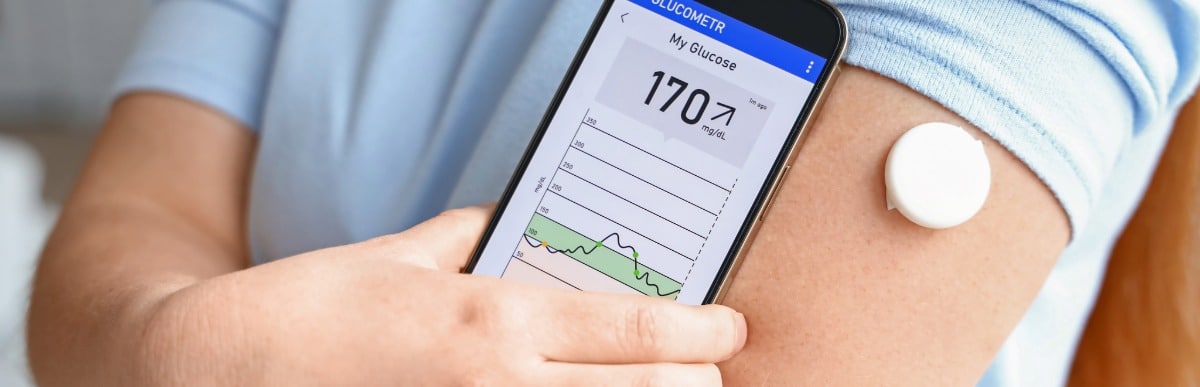
CGMs have revolutionized diabetes management. Instead of relying on intermittent readings, a CGM tracks glucose levels continuously throughout the day and night. The device consists of a small sensor inserted under the skin, usually on the arm or abdomen. This sensor measures glucose in the interstitial fluid, which is the fluid between cells, and sends readings wirelessly to a monitor or smartphone app.
With a CGM, users can view their glucose trends in real time. Rather than just seeing a single number, they can track patterns and fluctuations, which is invaluable for making timely decisions about food, exercise, and medication. This continuous feedback is far superior to the occasional check provided by a traditional blood sugar monitor.
How CGMs Work
A CGM system is comprised of three parts: the sensor, the transmitter, and the receiver or display device. The sensor, which sits just beneath the skin, detects glucose levels in the interstitial fluid. The transmitter sends this data to a receiver or smart device, updating the user every few minutes.
Some CGMs come with customizable alerts for high or low glucose readings, allowing users to act before their levels reach dangerous extremes. Many devices integrate with insulin pumps, enabling automatic adjustments to insulin delivery based on real-time glucose data.
The Promise of Non Invasive Glucose Monitors
While CGMs have greatly reduced the need for fingersticks, they still require a sensor to be inserted under the skin. Researchers are working to develop non invasive glucose monitors that measure glucose levels without puncturing the skin. These experimental devices use methods such as optical sensors and spectroscopy to detect glucose, offering hope for even more comfortable, accessible monitoring in the near future.
The Benefits of CGMs
CGMs offer a host of advantages, making them a preferred glucose monitoring device for many people with diabetes.
Real-Time Data and Trends
With continuous data, users can see how their glucose levels respond to different foods, activities, stress, and medications. This makes it easier to adjust daily routines and treatment plans for better control.
Early Detection of High and Low Blood Sugar
CGMs can alert users before glucose levels become dangerously high or low. This early warning can help prevent the symptoms of high blood sugar, such as excessive thirst, frequent urination, and fatigue, as well as the dangers of hypoglycemia.
Fewer Fingersticks
Although some CGMs may require an occasional calibration with a glucometer, the frequency of finger pricks is much lower than with traditional monitoring. This not only improves comfort but also encourages more frequent and consistent monitoring.
Improved Glycemic Control
By providing detailed information, CGMs help users keep their diabetes level of sugar within a healthy target range more often. This can reduce the risk of developing complications associated with poorly managed diabetes.
Peace of Mind
Knowing that a CGM is monitoring blood sugar levels twenty-four hours a day gives many users, and their families, greater confidence and security. Parents, in particular, appreciate the reassurance when managing diabetes in children.

Understanding Normal and Diabetic Blood Sugar Levels
Normal glucose levels for someone without diabetes usually range from 70 to 99 mg/dL when fasting and remain below 140 mg/dL after eating. For those with diabetes, target blood diabetic levels may vary based on individual health and recommendations from healthcare professionals.
Keeping blood sugar within a normal range is crucial for preventing both short-term symptoms and long-term complications. High blood sugar over time can damage nerves, blood vessels, and organs. On the other hand, low blood sugar can cause confusion, fainting, or even seizures.
Recognizing High Blood Sugar Symptoms
It is vital to recognize the symptoms of high blood sugar before complications arise. Common high blood sugar symptoms include increased thirst, frequent urination, blurred vision, and tiredness. If ignored, high glucose levels can escalate to diabetic ketoacidosis, a serious and potentially life-threatening condition.
CGMs help users identify patterns that lead to hyperglycemia, such as certain foods or stress, allowing for timely adjustments and prevention of dangerous spikes.
CGMs Versus Traditional Blood Sugar Monitors
The difference between CGMs and traditional blood sugar monitors is substantial. While a glucometer gives a single reading at a moment in time, a CGM’s continuous stream of data reveals trends and fluctuations. This makes it much easier to understand how lifestyle, meals, and medications impact glucose levels.
Traditional monitors are still useful for occasional checks and as backups. Yet, for comprehensive diabetes management, CGMs provide a level of insight and convenience that is unmatched.

Who Should Use a CGM?
CGMs are suitable for many people with diabetes, including those with type 1, type 2, or gestational diabetes. They are particularly useful for people who:
- Frequent Highs or Lows: Continuous glucose monitors provide real-time alerts to help them manage these fluctuations more effectively.
- Close Diabetes Monitoring Needed: CGMs deliver continuous and detailed data, allowing for more precise diabetes management.
- Track Lifestyle Impact: CGMs help identify patterns and correlations between lifestyle choices and glucose levels.
- Unaware of Glucose Symptoms: CGMs can notify users before symptoms become severe or dangerous.
- Fewer Fingersticks, More Data: CGMs offer comprehensive information with less discomfort and hassle.
As CGMs become more common, healthcare providers are increasingly recommending them, and insurance coverage is expanding.
Explore Diabetes Management Options with Pain and Spine Specialists
CGMs are changing the way people with diabetes manage their condition by providing continuous, actionable information on glucose levels. This empowers users to maintain normal blood sugar, spot trends, recognize high blood sugar symptoms before they become serious, and make better decisions for their health. While traditional monitors and glucometers are still valuable, the benefits of CGMs are clear.
At Pain and Spine Specialists, our board-certified doctors are dedicated to helping you find the best solutions for diabetes management and overall health. If you’re ready to take control of your diabetes with the latest technology and expert guidance, call one of our Pain and Spine Specialists locations near you or contact us today to schedule a consultation.


