

Managing blood sugar is a journey that involves understanding not just the numbers but the stories those numbers tell. For millions of people, whether they are living with diabetes or simply pursuing better health, glucose management indicators are the compass guiding their daily decisions.
These indicators are more than laboratory results or fleeting readings; they are essential tools that help you understand your body, adapt your lifestyle, and take control of your health.
The Importance of Glucose Management Indicators
Glucose management indicators are specific measurements and metrics that reflect how well your body is controlling blood glucose levels. These indicators are crucial for anyone seeking to manage diabetes, prevent complications, or optimize well-being. By keeping a close eye on these measurements, you can make informed choices about food, activity, medication, and more.
The most commonly used glucose management indicator is the hemoglobin A1c, a marker of average blood sugar over the past two to three months. However, with advances in technology, a wide array of other indicators is now available, offering real-time feedback and deeper insights.
These include daily finger-prick readings, continuous glucose monitoring data, time-in-range percentages, and glucose variability metrics. Each indicator provides a unique perspective, helping you see the bigger picture of your glucose control.
Understanding the Tools: From Sugar Test Kits to Advanced Devices
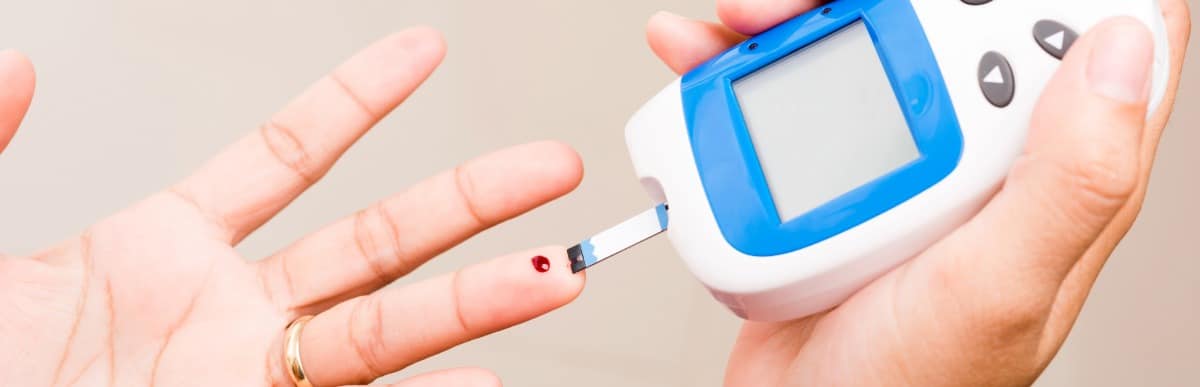
When it comes to measuring glucose management indicators, the tools you use matter. The journey begins with the humble sugar test kit, which typically includes a lancet, test strips, and a blood sugar test machine.
Pricking your finger and applying a drop of blood to a test strip allows the device to measure your blood glucose level at that moment. This method, while tried and true, provides only a snapshot of your blood sugar.
Choosing the best blood glucose test machine can make a significant difference in your experience. Accuracy, ease of use, and reliability are critical factors. The most accurate blood glucose meter ensures your readings reflect your true blood sugar levels, helping you make safe, effective decisions. Many modern meters store your readings, track trends, and even connect to your smartphone for easier monitoring.
For those seeking a broader view, especially people with diabetes, the diabetes meter is often part of a more comprehensive suite of tools. A diabetes device may include software to analyze trends, alerts for high or low blood sugar, and integration with diet and exercise trackers.
What Is a CGM? How Does It Work?
The world of glucose measurement has evolved rapidly, and continuous glucose monitoring systems have transformed the landscape. A CGM, or continuous glucose monitor, is a device that tracks your blood sugar levels throughout the day and night. Instead of relying solely on finger-prick tests, a CGM uses a tiny sensor inserted just under the skin to measure glucose in your interstitial fluid.
CGM biosensors send data to a receiver or smartphone app, providing real-time glucose readings and trend information. This allows you to see patterns, predict highs and lows, and make proactive choices. Some systems can even alert you before your blood sugar becomes dangerously high or low, giving you time to act.
The best CGM for non diabetics is gaining popularity among those who want to optimize their health, athletic performance, or diet. While originally developed for people with diabetes, these systems offer valuable insights for anyone interested in tracking their body’s response to food, exercise, stress, and sleep.

Comparing Sugar Level Monitors
With so many options available, choosing the right sugar level monitor can feel overwhelming. The best blood glucose test machine for one person might not be the best for another.
Some key factors to consider include:
- Accuracy: The most accurate blood glucose meter provides peace of mind. Look for devices that have been independently tested and validated.
- Ease of Use: Simple, intuitive devices are more likely to become part of your routine.
- Data Management: Some blood sugar test machines connect to apps or computers, making it easier to review trends and share data with your healthcare team.
- Cost: Consider the price of the device, test strips, and any ongoing subscription fees for advanced monitoring systems.
- Comfort: Continuous glucose monitors are less invasive for some people, while others prefer the familiarity of finger-prick tests.
Remember, no device is perfect, and your needs may change over time. Consulting with your healthcare provider can help you select the diabetes test at home solution that fits your lifestyle and goals.
The Role of CGM Biosensors in Modern Glucose Management
CGM biosensors are at the cutting edge of diabetes technology. These tiny sensors, usually worn on the abdomen or arm, continuously measure glucose levels and send the data to your smartphone or receiver. The information is updated every few minutes, providing a dynamic picture of your blood sugar.
Unlike traditional methods, CGM biosensors let you see not just where your glucose is, but where it is headed. This is particularly useful for people with diabetes, athletes, and anyone seeking to optimize metabolic health. Many systems include customizable alerts, making it easier to avoid dangerous highs and lows.
Choosing the best CGM for non diabetics involves considering battery life, comfort, app features, and whether the device is approved for use in your country. As interest in metabolic health grows, more options are becoming available for people without a diabetes diagnosis.

Interpreting Glucose Management Indicators
Understanding your glucose management indicators involves more than recording data. It means learning what the numbers mean in the context of your life.
Essential indicators include:
- Average Glucose: The average glucose number indicates how well your blood sugar has been managed over a period of days or weeks. A lower average generally means your blood sugar has been more consistently controlled.
- Time in Range: Time in range shows what percentage of time your blood sugar remains within your target range, often set between 70 and 180 mg/dL. Spending more time in this range is linked to a lower risk of complications.
- Glycemic Variability: Glycemic variability refers to how much and how often your blood sugar levels rise and fall. Reducing these fluctuations is beneficial because stable blood sugar is less stressful for the body.
- Hypoglycemia and Hyperglycemia Episodes: Monitoring how frequently your blood sugar drops too low or rises too high provides valuable information for managing your health. This awareness allows you and your healthcare team to make necessary adjustments to your care plan.
Discussing your glucose management indicators with your healthcare provider is essential. They can help you interpret the data, understand your progress, and adjust your treatment plan.
Find Comprehensive Support for Diabetes Management at Pain and Spine Specialists
Glucose management indicators are more than just numbers on a screen or a page. They are powerful tools that help you understand your body, make informed choices, and stay on the path to better health. Whether you use a traditional diabetes meter, the most accurate blood glucose meter, or the latest CGM biosensors, the key is to stay engaged, ask questions, and let your indicators guide your journey.
Our board-certified doctors at Pain and Spine Specialists have the expertise and compassion to guide you every step of the way on your journey to better glucose management and overall well-being. If you have questions or want help optimizing your diabetes care, don't wait.
Call one of our Pain and Spine Specialists offices near you or contact us today to schedule your consultation to take the next step toward a healthier way of life with our diabetes management options.


