
A glucometer kit is an essential tool for anyone managing diabetes or monitoring blood sugar. With the increasing prevalence of diabetes and prediabetes worldwide, self-monitoring of blood glucose has become a cornerstone of personal health management.
These kits allow people to quickly and accurately check their blood sugar levels at home or on the go, providing real-time information to support decisions about diet, exercise, and medication.

What Is a Glucometer Kit?
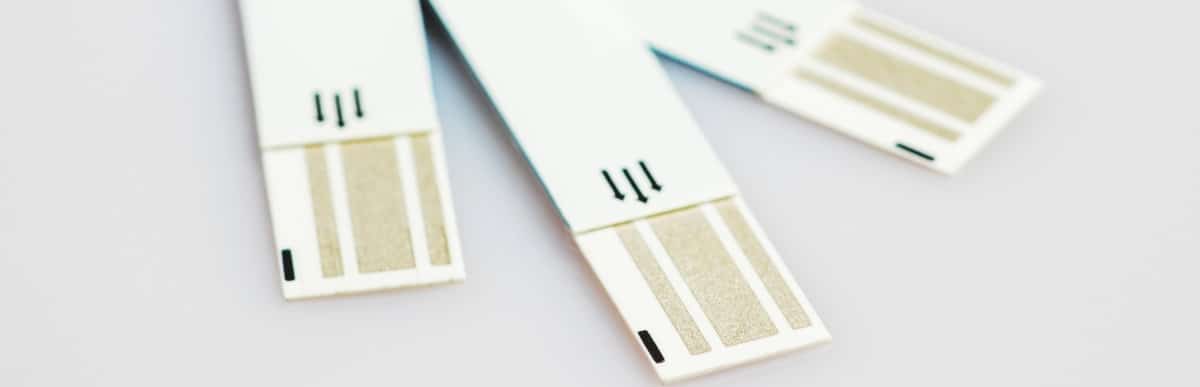
A glucometer kit typically includes a blood sugar tester known as the glucometer, lancets, test strips, and a control solution. The glucometer is the central device that measures avg. glucose levels from a small drop of blood.
Lancets are tiny, sharp needles used to prick the skin, and test strips are chemically treated to react with blood glucose. The control solution helps ensure the device is properly calibrated.
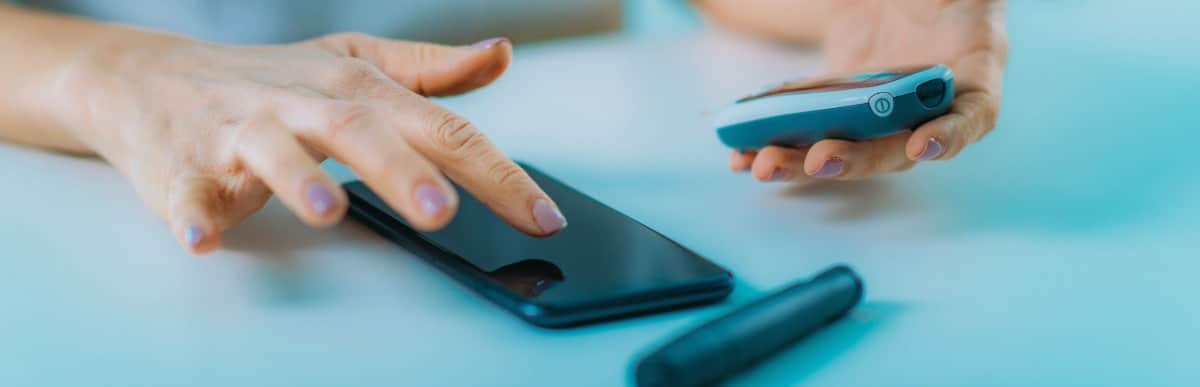
Many modern kits also feature digital logbooks or smartphone connectivity, making it easier to track blood glucose trends over time.
Why Is Blood Sugar Monitoring Important?
Blood sugar monitoring is vital for people with diabetes and those at risk. For people living with diabetes, regularly checking blood glucose helps detect dangerous highs (hyperglycemia) and lows (hypoglycemia) before they escalate, enabling prompt corrective action, such as adjusting food intake, medication, or activity levels.
Consistent monitoring is especially crucial for those taking insulin or medications that affect blood sugar, as their levels can change quickly and unpredictably.
Even people without diabetes can benefit from understanding their blood glucose chart and maintaining a healthy blood sugar range. People with prediabetes, metabolic syndrome, or those pursuing optimal metabolic health can use a glucometer kit to see how diet, stress, and activity affect their glucose levels.
Early detection of abnormal blood sugar patterns can prevent complications and support long-term health.
Healthy Blood Sugar Ranges Explained
Understanding blood glucose normal ranges is critical for effective self-care. In the United States, blood sugar is measured in milligrams per deciliter (mg/dL). The healthy blood glucose range varies depending on age, health status, and recent food intake.
For most healthy adults, normal blood sugar levels are typically between 70 and 99 mg/dL after fasting and before meals, and less than 140 mg/dL two hours after eating.
For many people with diabetes, healthcare professionals often recommend slightly different targets: fasting blood sugar should fall between 80 and 130 mg/dL, while two hours after eating, levels should stay below 180 mg/dL.
These ranges are general guidelines, but individual targets may vary based on age, pregnancy status, or other health conditions. Always consult your healthcare provider to determine your ideal blood glucose normal range.
Regularly consulting a blood glucose chart, whether in a physical logbook or a digital app, can help visualize where your readings fall within these recommended ranges. This practice helps detect patterns, understand triggers, and set realistic goals for healthy glucose levels.
How to Use a Glucometer Kit
Using a glucometer kit is straightforward, but taking care with each step ensures accuracy.
Checking for healthy blood sugar levels with a glucometer kit includes:
- Wash your hands thoroughly and dry them well. This removes contaminants that could affect the reading.
- Insert a test strip into the glucometer.
- Load a fresh lancet into the lancing device and adjust the depth if necessary.
- Prick the side of your fingertip and gently squeeze to produce a drop of blood.
- Touch the edge of the test strip to the blood drop; the meter will draw in the sample.
- Wait a few seconds for the glucometer to display your blood sugar level.
- Record the result in your logbook or digital app, noting any relevant information such as meals, physical activity, or medication changes.
Following the manufacturer’s instructions for your specific diabetes blood glucose machine is essential. Always use new, sterile lancets and test strips, and regularly clean your glucometer to ensure reliable results.
Interpreting Your Blood Sugar Readings
Seeing a number on the glucometer screen is just the beginning.
Knowing how to interpret and act on your results is crucial for effective diabetes management:
- If your blood sugar is consistently within the healthy range, you are likely on the right track.
- Occasional fluctuations are normal and may result from diet, activity, stress, illness, or changes in medication.
- Frequent readings outside your blood glucose normal range should prompt a review of your habits and possibly a discussion with your healthcare provider.
Diabetic blood sugar levels can vary more than those of non-diabetics. Persistently high blood sugar levels, known as hyperglycemia, may indicate a need for dietary changes, medication adjustments, or increased physical activity.
Low readings may indicate the need to adjust insulin dosing or carbohydrate intake. Work with your healthcare provider to develop a personalized plan to maintain healthy blood sugar levels and minimize risks.
Common Questions About Glucometer Kits
Some frequently asked questions about glucometer kits include:
How often should I check my blood sugar?
The frequency depends on the type of diabetes, medications, and overall health. People with type 1 diabetes or those using insulin usually check multiple times daily, such as before and after meals, at bedtime, and occasionally overnight.
Those with type 2 diabetes not on insulin may need less frequent checks. Your healthcare provider will recommend a schedule tailored to your needs. Additional monitoring may be required during illness, periods of stress, or when medication is changed.
Can using a glucometer kit help prevent complications?
Absolutely. Consistent blood sugar monitoring helps detect problems early, enabling prompt intervention. This proactive approach is key to avoiding complications such as vision loss, nerve damage, kidney disease, cardiovascular issues, and delayed wound healing. By keeping blood glucose within your healthy range as much as possible, you safeguard your health and quality of life.
What should I do if my readings are outside the healthy glucose levels?
Occasional deviations are normal, but frequent or severe fluctuations require attention. Review recent food choices, activity, medication adherence, and stress levels.
If you can’t identify a cause or the issue persists, consult your healthcare team. They can help adjust your plan to bring you back into a healthy blood sugar range.

Choosing the Right Diabetes Blood Glucose Machine
With a wide array of diabetes blood glucose machines available, selecting the right one can feel overwhelming.
When evaluating options, prioritize:
- Accuracy and Reliability: The device should consistently provide correct blood sugar readings. Reliable results help you and your healthcare provider make safe decisions.
- Ease of Use: The kit should be simple to operate, even for beginners. Clear instructions and intuitive design make daily testing less stressful.
- Sample Size: Some glucometers require only a tiny drop of blood, while others need more. Smaller samples can make testing less painful and easier for frequent checks.
- Connectivity: Many modern kits can connect to smartphones or computers. This makes it easy to track your results, share data, and spot trends over time.
- Cost and Availability: Prices for kits and test strips can vary, and not all are covered by insurance. Choosing an affordable and widely available option ensures you can always monitor your health.
Consult your healthcare provider for recommendations based on your lifestyle, preferences, and medical coverage.
Maximizing the Benefits of Your Glucometer Kit
To gain the greatest benefit from your glucometer kit, incorporate it into a comprehensive health management routine. Regular blood sugar monitoring yields the best results when paired with a balanced, nutrient-rich diet tailored to your unique needs, consistent physical activity you enjoy and can maintain, effective stress management, sufficient sleep, and routine medical checkups.
Keeping a detailed log of your readings, including notes about meals, exercise, medications, and other relevant factors, enables you and your healthcare provider to make more personalized and effective adjustments to your diabetes management plan.
Remember, the overarching goal is not simply to hit a target number, but to cultivate a lifestyle that promotes your long-term health and well-being. Achieving healthy blood sugar levels is possible with the right knowledge, supportive tools, and a reliable care network.

Find Support for Diabetes Management with Pain and Spine Specialists
Healthy blood sugar levels are within reach with the right knowledge, habits, and support. Consistent use of your glucometer kit, combined with a balanced lifestyle and professional guidance, empowers you to live well with diabetes or reduce your risk of developing it.
At Pain and Spine Specialists, our board-certified doctors are dedicated to helping you achieve your best health. If you’re ready to take control of your blood sugar and overall wellness, schedule an appointment with our team of board-certified doctors today or call one of our offices near you in Florida, Maryland, Pennsylvania, or Virginia for personalized diabetes support.


