

Blood glucose monitoring is a cornerstone of effective diabetes management. Whether you are newly diagnosed or have been managing diabetes for years, the ability to track your blood sugar levels empowers you to make informed decisions about your health.
Modern advancements have brought a range of glucose monitoring devices to the market, making it easier, less invasive, and more accurate to measure blood sugar levels throughout the day.
What Is a Blood Glucose Monitoring Kit?
A blood glucose monitoring kit is a comprehensive set of tools designed to help individuals check their blood sugar levels at home or on the go. Traditionally, these kits include a glucose meter, lancets, test strips, and sometimes a logbook.
Today, technology has expanded the scope to include sophisticated options like the CGM device and the wearable blood sugar monitor, offering continuous insights into glucose trends.
There are two primary categories of glucose monitoring devices: self-monitoring blood glucose meters (SMBG) and continuous glucose monitoring systems (CGM). Each has its unique benefits and is suited to different lifestyles and needs.

Self-Monitoring Blood Glucose Meters (SMBG)
Self-monitoring blood glucose meters, often simply called glucose monitors, are the traditional devices that require a small drop of blood, usually from a fingertip, to provide a quick reading. These meters are portable, reliable, and relatively affordable. Recent advancements have led to new diabetes meters that require smaller blood samples and offer faster results.
Continuous Glucose Monitoring (CGM) Devices
A CGM device is a wearable sensor that continuously tracks blood sugar levels throughout the day and night. Continuous blood sugar monitors are often described as a continuous glucose monitor (CGM). They provide real-time feedback, helping users identify trends, peaks, and drops that might not be caught with traditional fingerstick methods.
The landscape of blood glucose monitoring is rapidly evolving. Many people are turning to wearable blood sugar monitors for their convenience and minimal invasiveness.
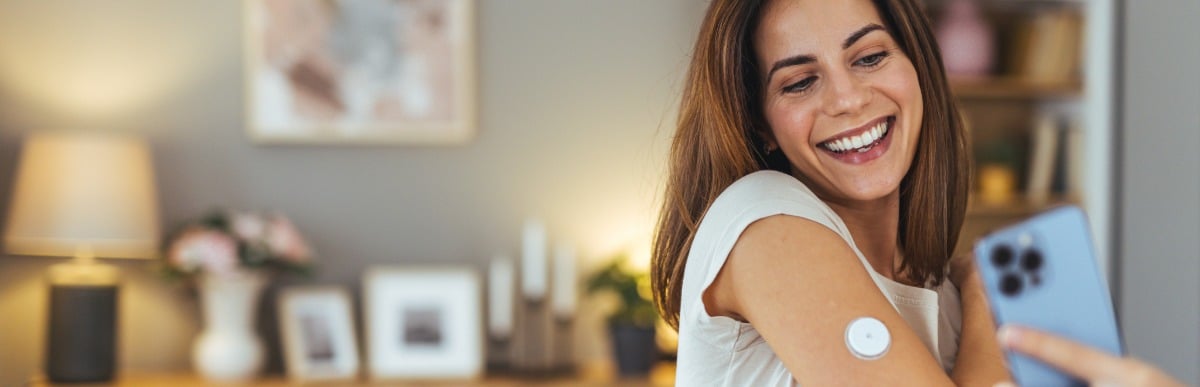
Notably, the glucose monitor on arm design is gaining popularity. An arm blood sugar monitor, or arm glucometer, is a small sensor worn on the upper arm that transmits readings wirelessly to a smartphone or dedicated receiver.
An arm monitor for diabetes is especially advantageous for those who want to avoid frequent fingersticks. These new CGM devices are designed for comfort and discretion, blending seamlessly into everyday life.
With new CGM blood sugar monitors being introduced regularly, the accuracy, affordability, and ease of use are continually improving.

Key Features to Look For in Modern Blood Glucose Monitoring Kits
Choosing the right blood glucose monitoring kit is a personal decision, but several features can significantly improve your experience.
Some of the key features of blood glucose monitoring kits are:
- Accuracy and Reliability: Precision is paramount. Choose kits that meet or exceed international accuracy standards to ensure your blood glucose readings are dependable. Reliable results are essential for making day-to-day decisions about medication, diet, and activity levels.
- Ease of Use: Simple operation, clear displays, and intuitive app interfaces can streamline your daily routine. An easy-to-use kit saves time and reduces the risk of errors during testing. Look for features such as one-touch operation and large, backlit screens for added convenience.
- Data Integration: Many new devices sync with smartphones, allowing you to track readings over time and share them with your healthcare provider. This integration helps you monitor trends and make data-driven choices about your diabetes management. Some apps also offer reminders and insights based on your recorded data.
- Comfort: The latest CGM devices and arm-based monitors are designed to minimize discomfort. Advances in sensor materials and application methods make wearing these devices more pleasant, even for extended periods. Some models can be worn for up to two weeks before needing replacement, reducing the frequency of insertions.
- Cost and Insurance Coverage: Consider ongoing expenses for sensors, test strips, and replacement parts when choosing a kit. Costs can add up over time, so it’s important to check with your insurance provider about coverage for newer devices and supplies. Understanding your coverage can help you choose a kit that fits your budget and needs.

The Benefits of Using a CGM Device
Some of the benefits of CGM devices include:
Improved Quality of Life
Using a CGM or similar device can significantly lessen the hassles associated with diabetes care. Spending less time worrying about your numbers and more time in range helps boost confidence and peace of mind. Ultimately, these benefits can lead to a more active, flexible, and fulfilling lifestyle.
Real-Time Data
Immediate feedback from a CGM device allows you to take swift action if your blood sugar levels trend too high or too low. This ongoing access to your glucose information can help prevent dangerous highs and lows before they become serious issues. Knowing your numbers in real time empowers you to make better day-to-day decisions for your health.
Reduced Fingersticks
Many modern CGM devices now offer factory calibration, which means daily fingersticks are no longer necessary for most users. While some systems may still require occasional calibrations, the burden of frequent finger pricks is greatly reduced. This convenience not only saves time but also makes diabetes management less invasive and more comfortable.
Trend Analysis
Constant blood sugar monitor data collection makes it easier to recognize patterns in your glucose levels. Both you and your healthcare provider can use this information to fine-tune insulin dosages, adjust meal plans, and modify activity levels. Understanding trends over time leads to more personalized and effective diabetes management.
Integrating Glucose Monitoring Into Your Daily Routine
Consistency is the foundation of effective diabetes management, and making the most of your blood glucose monitoring kit can have a profound impact on your health.
Establishing a regular routine begins with setting reminders. Many modern glucose monitoring devices offer built-in alerts or app notifications that prompt you to check your blood sugar or change sensors at the appropriate times. These reminders help ensure you never miss a reading, making your data more accurate and reliable.
Another essential practice is regularly reviewing your data. Most devices now sync seamlessly with smartphone apps, allowing you to track your blood glucose trends over days, weeks, or even months. By analyzing these patterns, you and your healthcare provider can make informed decisions about medication adjustments, dietary changes, or activity levels, fine-tuning your diabetes management plan for optimal results.
Staying informed about the latest technological advancements is equally important. The world of diabetes care evolves rapidly, with new diabetes meters and continuous glucose monitoring (CGM) devices frequently hitting the market. Keeping up with these innovations ensures you use the best tools available to support your health and lifestyle needs.
Finally, practicing good hygiene with your blood glucose monitoring kit cannot be overstated. Always clean the application site before inserting a sensor or performing a fingerstick, and follow the manufacturer’s instructions for safe use and maintenance.
These simple steps reduce the risk of infection and ensure the longevity and accuracy of your device.

Maintain Your Health with Glucose Monitoring Guidance from Pain and Spine Specialists
Choosing the right blood glucose monitoring kit can make a profound difference in your diabetes management journey. With a wide array of glucose monitors, from traditional devices to the latest wearable blood sugar monitors and new diabetes meters, there is a solution for every lifestyle.
At Pain and Spine Specialists, our team of board-certified doctors is ready to work with you to help create a personalized diabetes management plan. If you are considering a new blood glucose monitoring kit or want expert advice on the latest glucose monitoring devices, we invite you to reach out.
Schedule a consultation with Pain and Spine Specialists or call one of our locations near you today to take the next step toward better health and greater peace of mind.


