
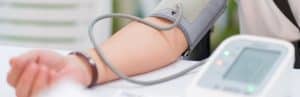
High blood pressure, or hypertension, is often called the “silent killer.” It can quietly cause damage to your body for years before any symptoms become obvious. When blood pressure rises into the stage 2 hypertension range, the risks to your health multiply, and taking action becomes essential.
Understanding what stage 2 hypertension is, how it impacts your health, and how it connects to other conditions like diabetes and pregnancy-related complications can empower you to make informed decisions and protect your well-being.

Understanding Stage 2 Hypertension
Stage 2 hypertension is diagnosed when your blood pressure readings consistently reach 140/90 mmHg or higher.
This means that either the systolic pressure, which is the top number and indicates the pressure in your arteries when your heart beats, is 140 or higher, or the diastolic pressure, which is the bottom number and indicates the pressure in your arteries between heartbeats, is 90 or higher.
The hypertension diastolic high concern is particularly crucial, as a persistently high diastolic reading can indicate ongoing strain on your cardiovascular system.
Blood pressure readings are more than just numbers. They are vital indicators of how hard your heart is working and how much resistance your arteries are providing. If you are unsure how to read blood pressure, it helps to know that a typical reading is presented as systolic over diastolic, such as 120/80 mmHg.
Regularly monitoring your blood pressure and keeping track of your numbers is crucial, especially as you age. A blood pressure chart as per age can be a useful reference to see where your numbers should ideally fall compared to your peers.
Why Stage 2 Hypertension Demands Attention
Reaching stage 2 hypertension is a red flag. The higher your blood pressure climbs, the greater your risk of heart attack, stroke, kidney disease, vision loss, and other serious health problems.
Unlike stage 1 hypertension, which may be managed with lifestyle modifications, stage 2 typically requires prompt medical intervention, often including medication. If your readings are ever this high, it is time to seek guidance from a qualified “DR for BP”, which is a healthcare provider who specializes in blood pressure management.
Stage 2 hypertension is recognized in medical coding with the hypertension ICD 10 code I10. This code is used in medical records and insurance claims to indicate a diagnosis of essential hypertension. Accurate coding helps ensure that your care is properly documented and that you receive the necessary treatments and follow-ups.

Risk Factors and Related Conditions
Many factors contribute to the development of stage 2 hypertension. Genetics, age, obesity, sedentary lifestyle, poor diet, stress, and certain underlying medical conditions all play a role. There are also specific scenarios and related conditions that can complicate hypertension, including diabetes and pregnancy.
The Connection Between Hypertension and Diabetes
Hypertension and diabetes frequently occur together, and each condition can worsen the other. Understanding the difference between type 1 and type 2 diabetes is crucial.
Type 1 diabetes is an autoimmune condition where the body does not produce insulin, usually diagnosed in childhood or adolescence. Type 2 diabetes, more common in adults, is characterized by insulin resistance and is often associated with obesity and lifestyle factors.
Both forms of diabetes increase the risk of developing high blood pressure, but type 2 is particularly linked to metabolic syndrome, a cluster of conditions including hypertension.
Women, in particular, need to be aware of the diabetes symptoms women live with, as some signs can be subtle. These may include increased thirst, frequent urination, fatigue, unexplained weight loss, and recurrent infections. Over time, both high blood sugar and high blood pressure can damage blood vessels, leading to complications such as diabetic neuropathy symptoms, which include numbness, tingling, and pain in the extremities.
Hypertension and Pregnancy
Pregnancy introduces unique changes to a woman’s body, including potential complications like gestational hypertension and pregnancy-related diabetes, also known as gestational diabetes. Gestational hypertension refers to high blood pressure that develops during pregnancy and usually resolves after delivery. However, it can increase the risk of long-term hypertension and other cardiovascular issues for both mother and child.
Women should also watch for any symptom of pregnancy diabetes, such as excessive thirst, frequent urination, and fatigue. Gestational diabetes can lead to high blood pressure during pregnancy, compounding the risks to both maternal and fetal health. Early detection and careful management are essential to ensure a healthy pregnancy and delivery.

Recognizing Symptoms and When to Seek Help
One of the most dangerous aspects of stage 2 hypertension is that it often produces no obvious symptoms. Some people may experience symptoms such as:
- Headaches
- Nosebleed
- Shortness of Breath
- Vision Changes
However, these signs usually appear only when blood pressure reaches dangerously high levels. This is why regular monitoring and routine checkups with your healthcare provider are so crucial.
Occasionally, high blood pressure can cause sudden symptoms or require urgent medical attention.
Seek emergency care immediately if you experience:
- Severe Chest Pain
- Confusion
- Difficulty Speaking
- Weakness
- Sudden Vision Loss
Blood Pressure Fluctuations: Highs and Lows
While high blood pressure is a major concern, it is also important to know what to do if blood pressure is too low. Low blood pressure (hypotension) can cause dizziness, fainting, blurred vision, and even shock in severe cases.
If you are taking medication for hypertension and notice symptoms of low blood pressure, such as feeling lightheaded or weak, contact your healthcare provider promptly. Adjustments to medication or lifestyle may be necessary to maintain safe and stable blood pressure levels.
Another phenomenon to be aware of is orthostatic hypertension, where blood pressure rises excessively when standing up from a seated or lying position. This can lead to dizziness or faintness and may require specialized management.
How Your Doctor Diagnoses and Manages Stage 2 Hypertension
If your readings suggest stage 2 hypertension, your doctor will want to confirm the diagnosis with repeated measurements, sometimes using ambulatory blood pressure monitoring over 24 hours. A thorough history and physical exam will help identify any underlying causes or contributing factors, such as kidney disease or hormonal disorders.
Treatment typically combines lifestyle modifications with prescription medications. Your doctor may recommend a heart-healthy diet rich in fruits, vegetables, whole grains, and low-fat dairy products.
Reducing salt intake, increasing physical activity, maintaining a healthy weight, and limiting alcohol are all essential steps. Medications such as ACE inhibitors, calcium channel blockers, and diuretics are commonly prescribed to help lower blood pressure to safer levels.

The Role of Monitoring and Self-Care
Learning how to monitor your own blood pressure is a key part of effective management. Home blood pressure monitors are widely available and easy to use.
When measuring your blood pressure, be sure to sit quietly for a few minutes, keep your arm at heart level, and take multiple readings at the same time each day. Recording your results allows your doctor to track progress and make informed treatment decisions.
Regularly consulting a medical professional ensures your treatment plan remains appropriate and that any complications are detected early. Your doctor will also monitor related conditions, such as diabetes, kidney function, and cholesterol levels.
Living Well with Stage 2 Hypertension
Receiving a diagnosis of stage 2 hypertension can feel overwhelming, but it is also an opportunity to take control of your health. Small, sustainable changes in daily habits can make a significant difference. Focus on nourishing your body with healthy foods, moving more, managing stress, and taking medications as prescribed. Support from family, friends, and healthcare professionals can make the journey easier.
Keep in mind that managing hypertension is an ongoing process. Regular follow-ups, honest conversations with your doctor, and a commitment to self-care will help you navigate the challenges and protect your heart, brain, and kidneys for years to come.

Find Support for Diabetes Management at Pain and Spine Specialists
Stage 2 hypertension is a serious health condition that demands attention and action. Understanding your risks, monitoring your blood pressure, and working closely with your healthcare team are the first steps toward better health. By staying informed and proactive, you can reduce your risk of complications and enjoy a longer, healthier life.
If you or a loved one has been diagnosed with stage 2 hypertension, our team at Pain and Spine Specialists is ready to help. Our board-certified doctors offer comprehensive care and personalized diabetes management plans to support your health.
Don’t wait to take control of your well-being. Schedule an appointment with Pain and Spine Specialists or call one of our convenient locations today to learn more about how we can help you manage hypertension and diabetes for a healthier future.


