
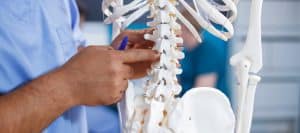
Living with spinal stenosis can feel like an unending battle against pain and physical limitations. Everyday tasks, such as walking or standing for extended periods, can become daunting challenges. The persistent discomfort, often radiating from the lower back to the legs, interferes with your ability to enjoy life fully. Simple pleasures, like exercising or even going to the store, may seem nearly impossible.
Exploring non-surgical treatment options is crucial for those seeking relief from spinal stenosis pain. Surgery or medication for spinal stenosis isn't always the best or necessary solution, especially when there are numerous effective non-surgical alternatives available. These treatments can significantly reduce pain and improve mobility. Non surgical treatment for cervical spinal stenosis allows you to regain the freedom to move without constant discomfort.
Spinal Stenosis Defined
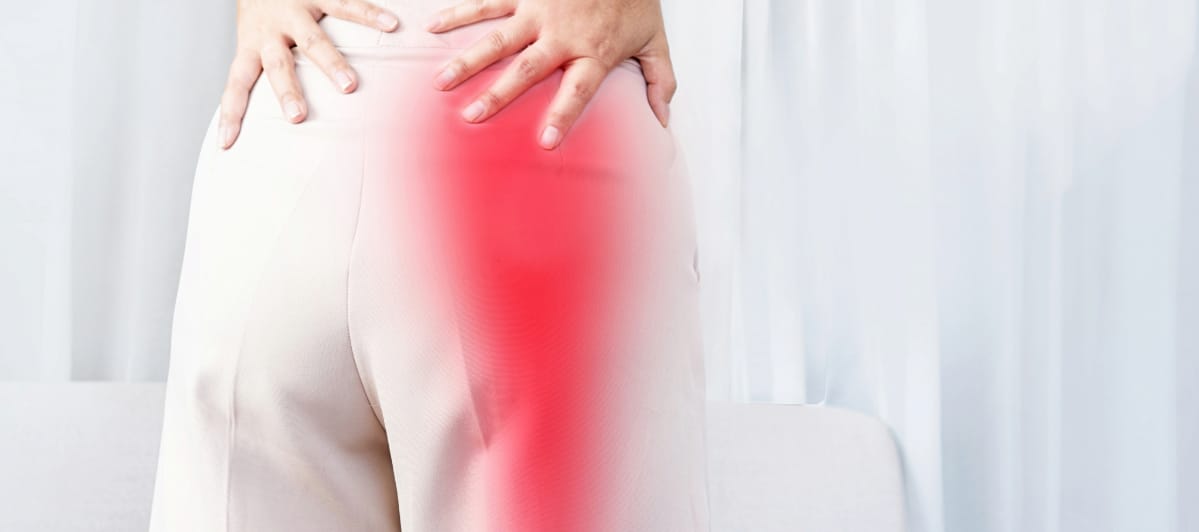
Spinal stenosis is a narrowing of the spaces within your spine, which can put pressure on the nerves that travel through the spine. This condition can occur in any part of the spine but is most common in the lower back and the neck.
Common symptoms of spinal stenosis are:
- Back Pain: Chronic pain in the back is a common symptom and may be constant or intermittently flare up. The severity can vary, but it often worsens with activity.
- Balance Problems: People with spinal stenosis may find it difficult to maintain balance, especially when walking. This can increase the risk of falls and related injuries.
- Tingling in the Extremities: Tingling in the arms, hands, legs, or feet. This is due to the pressure on the spinal nerves that disrupts normal nerve function.
- Pain or Cramping in the Legs: Cramping in the legs, also known as neurogenic claudication, often improves when you sit down or lean forward. The pain can range from a dull ache to a sharp, burning sensation.
- Weakness in the Leg or Foot: Weakness in the lower extremities can make it difficult to walk or perform everyday activities. The weakness is often a result of nerve compression affecting motor control.
The pain associated with spinal stenosis is primarily due to the increased pressure on the spinal cord and nerves. As the spinal canal narrows, it compresses the nerves, leading to inflammation, pain, and other neurological symptoms. This nerve compression can cause significant discomfort, affecting not just the back but also radiating to other parts of the body, depending on which nerves are impacted.

Injections for Spinal Stenosis
Injections are an effective treatment option for spinal stenosis because they deliver medication directly to the affected area, providing targeted relief. They can reduce inflammation, alleviate pain, and improve mobility, making them a valuable component of a comprehensive pain management plan.
Epidural Steroid Injections
Epidural steroid injections involve injecting a corticosteroid directly into the epidural space surrounding the spinal cord. This helps to reduce inflammation and swelling around the spinal nerves, providing significant pain relief and improving function.
Facet Joint Injections
Facet joint injections target the small joints located between each vertebra in the spine. By injecting an anesthetic and anti-inflammatory medication into these joints, pain and inflammation can be reduced, thereby improving spinal mobility and reducing discomfort.
Medial Branch Blocks
Medial branch blocks involve injecting anesthetic near the medial branch nerves that supply the facet joints. This temporarily interrupts the pain signals being sent to the brain, offering pain relief and helping to diagnose the source of the pain.
Radiofrequency Ablation
Radiofrequency ablation uses heat generated by radio waves to target specific nerves. It effectively "turns off" pain signals from these nerves by creating a small lesion on nerve tissue, providing long-term relief from chronic pain associated with spinal stenosis.
Trigger Point Injections
Trigger point injections focus on painful "knots" of muscle that can form in response to nerve irritation from spinal stenosis. By injecting a small amount of anesthetic or corticosteroid into these trigger points, muscle tension is reduced, and pain relief is achieved, improving overall function.

Non-Surgical Procedures for Spinal Stenosis
Exploring non-surgical procedures can offer significant relief for individuals suffering from spinal stenosis. These options provide an array of benefits, from reducing pain to improving mobility, without the need for invasive surgery.
- Aurora ZIP Lumbar Fusion: Aurora ZIP lumbar fusion involves the placement of a small implant to stabilize the spine. By fusing the affected vertebrae, it reduces pressure on the spinal nerves, thereby alleviating pain. The minimally invasive nature of non invasive spinal fusion promotes quicker recovery.
- Intrathecal Pain Pump: The intrathecal pain pump procedure involves a small pump surgically implanted to deliver medication directly to the spinal fluid. This allows for precise pain management with lower doses of medication, reducing systemic side effects. Patients often experience significant pain relief and improved quality of life.
- Lysis of Adhesions: Lysis of Adhesions involves breaking down scar tissue that may be compressing spinal nerves. Through targeted injections and physical manipulation, the procedure helps in relieving nerve pressure. Patients often report reduced pain and increased mobility.
- Medication Management: Medication management uses a tailored regimen of medications to manage pain and inflammation. Medications for spinal stenosis can include oral medications, topical treatments, or injections, depending on individual needs. Effective medication management can significantly reduce pain and improve daily functioning.
- Minimally Invasive Lumbar Decompression (MILD): MILD removes small pieces of bone and excess ligament to relieve pressure on the spinal nerves. It's performed through a tiny incision, minimizing tissue damage. Patients typically experience quick relief from pain and a speedy recovery with non invasive spinal decompression.
- Peripheral Nerve Stimulation: Peripheral nerve stimulation places small electrodes near peripheral nerves to interrupt pain signals before they reach the brain. The stimulation helps modulate pain perception, providing relief. This option is particularly useful for patients who have not found relief from other treatments.
- Spinal Cord Stimulation: Spinal cord stimulation involves the implantation of a device that sends electrical impulses to the spinal cord. The impulses mask pain signals, offering significant relief to patients with chronic spinal stenosis pain. It allows for customizable pain management tailored to the patient’s needs.
- The Minuteman Procedure: The Minuteman Procedure is a minimally invasive procedure that stabilizes the spine by inserting an implant between the spinous processes. It helps reduce nerve compression and associated pain. Patients benefit from a relatively quick recovery and significant pain reduction.
- The Vertiflex Procedure: The Vertiflex Procedure involves the insertion of a small device to create space in the spinal canal. By decompressing the nerves, it alleviates pain and improves mobility. The procedure is minimally invasive, offering a quick return to daily activities.
Lumbar Spinal Stenosis Self-Care
Learning how to relieve spinal stenosis pain at home can significantly improve your quality of life and reduce discomfort. Here are some practical tips and strategies to help you manage your symptoms effectively.
Regular Exercise
Engaging in regular exercise is crucial for managing lumbar spinal stenosis. Low-impact activities like walking, swimming, and cycling can help maintain spinal flexibility and strength without putting too much strain on your back. Stretching exercises and physical therapy routines specifically designed for spinal stenosis can also be beneficial in alleviating pain and improving mobility.
Maintain a Healthy Weight
Keeping your weight within a healthy range can reduce the strain on your spine. Excess weight, particularly around the midsection, can exacerbate spinal stenosis symptoms by increasing pressure on the lumbar region. A balanced diet rich in fruits, vegetables, lean proteins, and whole grains can help you achieve and maintain a healthy weight.
Proper Posture
Maintaining proper posture is essential in managing lumbar spinal stenosis. When sitting, use a chair with good lumbar support and keep your feet flat on the floor. Avoid slouching or leaning forward for extended periods. When standing, try to keep your weight evenly distributed on both feet and avoid standing for too long without moving.
Supportive Devices
Using supportive devices can help alleviate pain and improve mobility. Lumbar support cushions, back braces, and ergonomic chairs can provide additional support to your lower back. Orthotic inserts for your shoes can also help in correcting posture and reducing pain while walking.
Know When to Seek Professional Help
While self-care measures can significantly improve your symptoms, it's essential to know when to seek professional medical help. If you experience severe pain, numbness, or weakness that affects your daily activities, consult a healthcare provider. Persistent symptoms that do not improve with self-care should also be evaluated by a professional to determine if more advanced treatments are necessary.
By incorporating these self-care strategies into your daily routine, you can effectively manage lumbar spinal stenosis symptoms and enhance your overall well-being.

Alternative Treatment Options
Exploring alternative treatment options for spinal stenosis can provide additional relief and improve your quality of life.
Acupuncture involves the insertion of fine needles into specific points on the body to stimulate nerves and release endorphins, which can reduce pain and inflammation.
Infrared saunas use infrared light to penetrate deep into tissues, promoting increased blood flow, muscle relaxation, and pain relief.
The Amethyst BioMat combines the benefits of far-infrared rays, negative ions, and amethyst crystals to alleviate pain, reduce stress, and enhance overall well-being.
Lymphatic enhancement therapy focuses on stimulating the lymphatic system to remove toxins and reduce inflammation, which can help alleviate symptoms associated with spinal stenosis.
Photobiomodulation, also known as low-level laser therapy, uses light to penetrate tissues and promote cellular repair, reducing pain and inflammation.
Each of these alternative treatments offers unique benefits and can be a valuable addition to a comprehensive care plan for managing spinal stenosis.

Trust Pain and Spine Specialists for Non-Surgical Spinal Stenosis Treatment
Many people with chronic pain ask themselves, "Should I have surgery for spinal stenosis?" While surgery can be beneficial for some, it's not the only option.
At Pain and Spine Specialists, we offer a multidisciplinary approach to pain management, utilizing both traditional and alternative treatment options. Our team of experienced doctors and therapists work together to create individualized care plans tailored to your specific needs. Also, our partners at Shakthi Health and Wellness provide alternative treatments for spinal stenosis, such as acupuncture and photobiomodulation, to complement our services.
Trust us for effective relief from spinal stenosis symptoms and regain control over your daily activities. Contact our Pain and Spine Specialists team today by completing our contact form or calling one of our offices near you. Make today the day you take the first step toward a life free from spinal stenosis pain by reaching out to Pain and Spine Specialists.


