

Living with spinal stenosis can feel like trying to move through life with a constant weight on your back. The persistent pain, whether a dull ache or sharp discomfort, can make even small tasks, like walking or climbing stairs, feel like monumental challenges. Everyday movements you once took for granted might now be paired with stiffness, reduced mobility, or tingling numbness radiating through your arms or legs.
Beyond the physical hurdles, the condition brings an emotional toll from frustration, limitations, worry about the future, and the strain of living with chronic discomfort. For many, these difficulties don’t just affect their body but make it more challenging to stay active, independent, or engaged in the things they love.
Managing spinal stenosis can feel overwhelming, but understanding your treatment options and their success rates is a crucial first step toward relief. Being aware of the variety of available spinal stenosis treatment options, from minimally invasive injections to advanced surgical techniques, gives you the confidence to choose a path that has the potential to improve your mobility and reduce pain.
By exploring and understanding these spinal stenosis treatment options, you’re not just deciding on your care. You’re taking control of your health and your future. Every person’s experience with spinal stenosis is different, and the right approach makes all the difference in reclaiming comfort, independence, and the ability to enjoy the things that matter most.
But, what is the best thing to do for spinal stenosis?

What Is the Best Treatment for Spinal Stenosis?
Spinal stenosis treatment options are divided into two main categories: injection treatments and minimally invasive procedures.
Injection Treatments for Spinal Stenosis
Epidural Steroid Injections
Epidural steroid injections are a common treatment for managing the pain and inflammation caused by spinal stenosis. This minimally invasive procedure involves injecting a corticosteroid and a local anesthetic directly into the epidural space, which is the area surrounding the spinal cord and nerve roots. The goal is to reduce inflammation and relieve pressure on the nerves, which can help alleviate pain.
This treatment is particularly suited for individuals experiencing radiating pain in their lower back, legs, neck, or arms due to nerve compression. Patients typically notice improvement within days of the injection, with relief lasting weeks to months. Success rates vary but are generally favorable, with many reporting a significant reduction in pain and improved mobility, particularly when combined with other therapies like physical rehabilitation.
Facet Joint Injections
Facet joint injections are one of the spinal stenosis treatment options that target the small joints between each vertebra in the spine. These joints can become inflamed over time, contributing to back and neck pain. This treatment involves injecting a local anesthetic and anti-inflammatory medication into one or more facet joints to reduce swelling and provide temporary pain relief.
Facet joint injections may be ideal for those with spinal stenosis who experience localized pain or stiffness in their spine. They are also helpful for diagnostic purposes, confirming whether a specific facet joint is the source of discomfort. Relief is often immediate, though temporary, lasting a few weeks to several months. Patients frequently find this treatment effective as part of a broader pain management strategy.
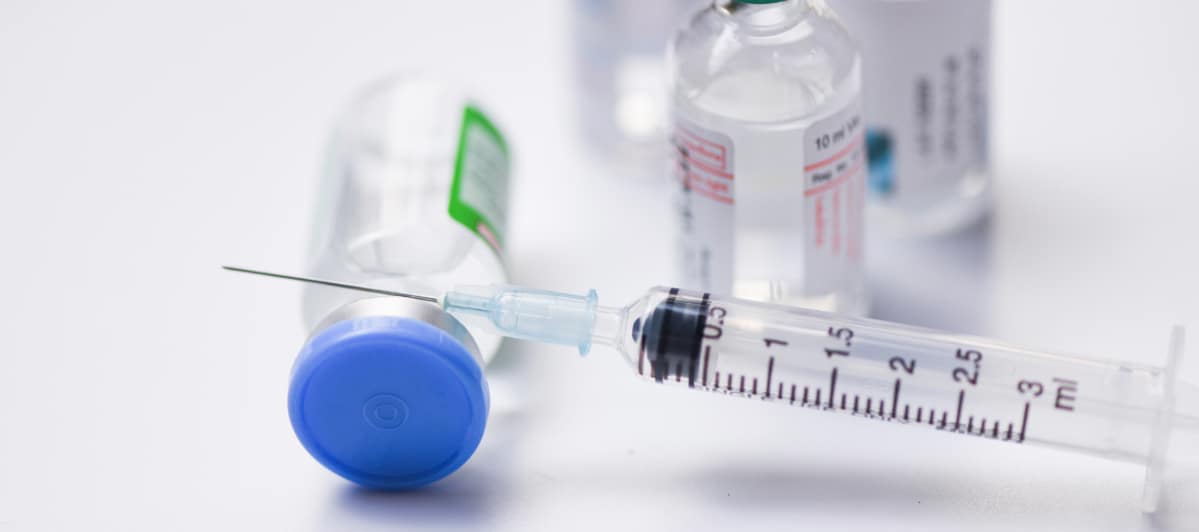
Medial Branch Blocks
Medial branch blocks are primarily used to locate and treat pain from the facet joints. This involves injecting a numbing agent near the medial branch nerves, which transmit pain signals from the facet joints to the brain. By temporarily numbing the nerves, doctors can better identify pain sources and provide short-term relief.
This treatment is particularly beneficial for individuals with chronic back or neck pain linked to facet joint dysfunction. Medial branch blocks are also a precursor to radiofrequency ablation, a longer-lasting treatment option. Success rates for pain relief are high when performed in appropriate candidates, though the relief from the block tends to be temporary, typically lasting days or weeks.
Radiofrequency Ablation
Radiofrequency ablation (RFA) is one of the more advanced spinal stenosis treatment options often pursued after medial branch blocks prove effective. This procedure uses targeted radiofrequency energy to heat and disable specific pain-transmitting nerves. By stopping these nerves from sending pain signals to the brain, RFA offers longer-lasting relief compared to other injection treatments.
Ideal candidates have experienced significant but short-term relief from medial branch blocks. RFA is particularly useful for people with chronic neck or lower back pain from facet joint inflammation or arthritis. Relief typically lasts six months to over a year, with success rates reaching as high as 70-80% in appropriate candidates.
Trigger Point Injections
Trigger point injections focus on relieving pain caused by tight, painful knots of muscle, known as trigger points. These knots can form from stress, injury, or chronic conditions, and contribute to overall discomfort, particularly in the back and shoulders. During the procedure, a small amount of anesthetic and sometimes corticosteroid is injected directly into the trigger point, releasing tension and reducing pain.
This treatment is best suited for individuals whose spinal stenosis symptoms are linked to muscle tension or those who experience referred pain from trigger points. Trigger point injections are highly effective for managing pain associated with spinal stenosis, with many patients experiencing immediate relief that can last for several weeks or longer, particularly when combined with complementary therapies like physical rehabilitation.
By understanding the unique benefits, ideal candidates, and success rates of these injection treatments, you can work with your healthcare provider to develop a personalized plan for managing spinal stenosis and achieving relief.

Minimally Invasive Procedures for Spinal Stenosis
The other category of spinal stenosis therapies are minimally invasive procedures, which include:
- Aurora ZIP Lumbar Fusion: An Aurora ZIP involves stabilizing the affected lumbar region of the spine with a small implant to reduce pain caused by spinal instability. The ZIP system is one of the spinal stenosis treatment options designed to be inserted through a small incision, minimizing disruption to surrounding tissue. This procedure promotes natural bone growth and provides immediate stabilization, which can relieve pressure on nerves and restore mobility.
- Intrathecal Pain Pump: An intrathecal pain pump delivers medication directly to the spinal cord through a small implanted device, without the need for systemic medication. This targeted approach provides fast and consistent pain relief with less risk of side effects compared to oral medications. It is particularly beneficial for individuals with chronic and severe pain that hasn’t responded well to other treatments.
- Lysis of Adhesions: Lysis of Adhesions breaks up scar tissue or adhesions that have formed around nerve roots, often resulting from previous surgeries or chronic inflammation. A doctor administers medication through a catheter to dissolve adhesions and reduce nerve compression. The treatment helps improve nerve function and reduces pain, making movement easier and more comfortable.



Success Rate Comparisons for Spinal Stenosis Treatments
Understanding success rates can help guide your decision-making process when considering treatment options for spinal stenosis.
Injection treatments, such as epidural steroid injections or radiofrequency ablation, often provide short- to mid-term pain relief, with success rates typically ranging from 50% to 80%, depending on the specific type of injection and patient condition.
For minimally invasive procedures like the Vertiflex Procedure or spinal cord stimulation, success rates can reach 70% to 90%, offering longer-lasting relief and improved range of motion. Generally, injections are effective for managing symptoms in the early stages or for short-term relief, while procedural treatments may offer more durable outcomes for those with moderate to severe symptoms.
Choosing between injections and procedural treatments depends on various factors, including the severity of your pain and your treatment goals. If your symptoms are mild to moderate and primarily involve localized or radiating pain, injections can be an effective first-line approach. They can also serve as diagnostic tools to pinpoint the source of your pain before pursuing additional options.
On the other hand, if your condition significantly impacts your mobility or daily activities, procedural spinal stenosis treatment options may be necessary for sustained relief. Additionally, injections may be more appropriate for individuals looking to avoid surgery or those with medical conditions that make surgery higher risk.
By taking a closer look at success rates, understanding when to consider each treatment, and identifying the factors that influence effectiveness, you’ll be better equipped to work with your healthcare provider to select a treatment plan that aligns with your needs and goals.

Lessen the Impact of Spinal Stenosis with Pain and Spine Specialists
The team at Pain and Spine Specialists is dedicated to helping you find the best treatment options for your spinal stenosis. Our board-certified, fellowship-trained physicians are experts in diagnosing and treating a wide range of pain conditions, including spinal stenosis. We offer comprehensive evaluations, advanced diagnostic techniques, and individualized treatment plans that consider your unique needs and preferences.
Take the first step toward relief today by calling a Pain and Spine Specialists office nearest to you or completing our online contact form.


