
Living with spinal stenosis can make everyday activities challenging. You might feel pain, tingling, or weakness in your back, legs, or arms, which can make walking or standing for long periods uncomfortable. Some people struggle to stay active or enjoy hobbies they once loved. Even simple tasks like climbing stairs or shopping may require frequent breaks or extra help.
Fortunately, non surgical treatment for spinal stenosis allows people to manage their symptoms without the risks that come with surgery. These treatments can help reduce pain, improve strength, and increase mobility, making it easier to stay active and independent. For many, non-surgical approaches can be just as effective as surgery, especially in the early stages. They also often have shorter recovery times and fewer side effects.
But what is spinal stenosis, and how do you fix spinal stenosis without surgery?

Understanding Spinal Stenosis
Spinal stenosis is a condition where the spaces within your spine become narrower, which can put pressure on the spinal cord and the nerves that travel through the spine. This pressure can lead to pain, tingling, numbness, and weakness, most often in the back and legs, but sometimes in the arms as well.
This spinal condition is more common in older adults because, as we age, the tissues and bones in our spine can naturally change or wear down, making the spinal canal smaller. However, younger people can also be affected, especially those who are born with a naturally narrow spinal canal or have certain genetic conditions. Athletes and people with physically demanding jobs who experience repeated injuries or trauma to the spine may also be at higher risk.
There are several reasons why someone might develop spinal stenosis, such as :
- Arthritis: Wear and tear on the joints and discs in the spine can lead to bone spurs that crowd the spinal canal. This is the most common cause of spinal stenosis, especially in older adults.
- Herniated Discs: When a disc between the bones of the spine bulges or ruptures, it can press on the nerves. This may happen suddenly due to injury or gradually as discs lose water content with age.
- Thickened Ligaments: Over time, the ligaments that hold the spine together can thicken and bulge into the spinal canal. This thickening limits the space available for the nerves in your spine.
- Injuries: Accidents or falls can cause fractures or dislocations that narrow the channel for the nerves. Scar tissue from healed injuries may also contribute to narrowing over time.
- Tumors: Although rare, abnormal growths can develop inside the spinal canal and cause narrowing. Tumors may be noncancerous, known as benign, or cancerous, and they can press on the spinal cord or nerves.
Symptoms of spinal stenosis often include a range of physical and neurological issues that can affect your daily life. Many people notice pain in their back, neck, arms, or legs, which may become worse when standing or walking for long periods.
Numbness or tingling sensations, especially in the extremities such as the hands and feet, are also common. Weakness in the arms or legs can make it difficult to carry out normal activities, and some people experience problems with balance or coordination, leading to an increased risk of falls.
Difficulty walking for long distances and a feeling of heaviness or fatigue in the legs may also occur. In more severe cases, spinal stenosis can affect bladder or bowel control, which requires immediate medical attention. Stiffness in the back or neck can further limit mobility, making movement uncomfortable or challenging.
These symptoms may develop gradually and vary in intensity, but they often become more noticeable over time as the condition progresses.
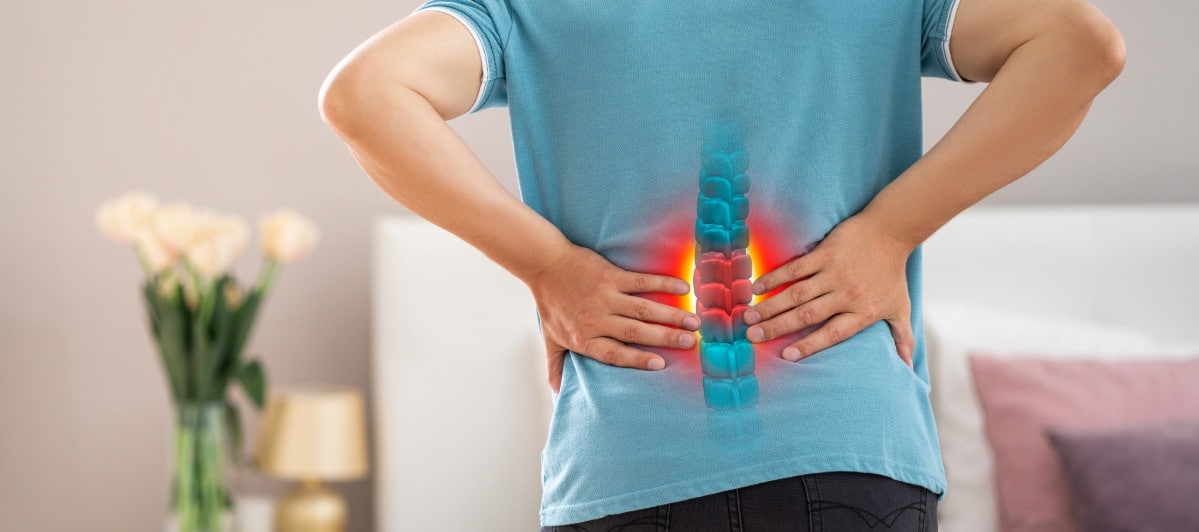
Diagnosis and Assessment
If you think you might have spinal stenosis, the first step is to see a healthcare provider. Diagnosis usually begins with a detailed description of your symptoms and a physical exam. Your doctor will ask you about where your pain is located, what makes it better or worse, and how it affects your daily activities.
Imaging tests like X-rays, MRI scans, or CT scans are commonly used to get a closer look at your spine. These tests help your doctor see if your spinal canal is narrowed and if nerves are being compressed. Sometimes, additional tests such as electromyography (EMG) are used to check for nerve damage and rule out other conditions.
Not everyone with spinal stenosis needs the same treatment. The severity of your symptoms, your overall health, and your lifestyle goals all play a role in determining what kind of treatment is best. People with mild symptoms may benefit from simple lifestyle changes and physical therapy, while those with more severe or rapidly worsening symptoms may need more intensive interventions.

Non-Surgical Treatment Options for Spinal Stenosis
Many people can treat spinal stenosis without surgery, especially when the symptoms are mild to moderate.
Some of the most common non-surgical spinal stenosis treatment options include:
Injections
Some injection treatments that are used for spinal stenosis are:
- Facet Joint Injections: Facet joint injections can help identify the source of pain and provide relief by reducing inflammation in the facet joints. The injection typically contains a combination of a local anesthetic and a steroid medication, which can numb the area quickly and decrease inflammation over the following days.
- Medial Branch Blocks: By targeting the nerves that supply the facet joints, medial branch blocks can determine if these nerves are causing your pain and provide temporary relief. A small amount of anesthetic is injected near the medial branch nerves, which carry pain signals from the facet joints to the brain. If your pain improves after the procedure, it confirms that these nerves are involved, helping your doctor to plan further treatment.
- Epidural Steroid Injections: Epidural steroid injections can reduce inflammation and relieve pain in the lumbar spine. The medication is injected into the epidural space, which is the area around the spinal cord and nerves. This treatment is especially useful for pain that radiates down the legs due to nerve irritation or compression.
- Sacroiliac Joint Injections: If your pain might be coming from the sacroiliac joints, SI injections can diagnose and treat the pain. These joints are located where the lower spine and pelvis connect and can become a source of chronic lower back or buttock pain. This minimally invasive treatment for spinal stenosis delivers anti-inflammatory medication directly into the joint, which can both confirm the diagnosis and reduce pain and swelling.
- Lumbar Sympathetic Block: Lumbar sympathetic blocks can relieve lower back pain by blocking the sympathetic nerves. By injecting a local anesthetic near the sympathetic nerves, the block can reduce chronic pain and improve circulation in the affected area. This procedure may be used for conditions like complex regional pain syndrome or certain types of neuropathic pain, offering relief when other treatments have not been effective.
Medication Management
Medication management can play an important role in relieving the symptoms of spinal stenosis. Over-the-counter pain relievers, such as acetaminophen or nonsteroidal anti-inflammatory drugs (NSAIDs) like ibuprofen, can help reduce mild to moderate pain and inflammation.
In some cases, your doctor may prescribe stronger medication for spinal stenosis pain, such as muscle relaxants or medications for nerve pain, if over-the-counter options aren't enough. It's important to use these medications as directed and discuss any side effects or concerns with your healthcare provider.
Physical Therapy
Physical therapy is a key part of non-surgical treatment for spinal stenosis and can help reduce pain, improve flexibility, and build strength in the muscles that support your spine. A physical therapist will design a personalized exercise program that may include gentle stretching, core strengthening, and low-impact aerobic activities.
These exercises help relieve pressure on the spinal nerves, improve posture, and make it easier to perform daily activities. Physical therapy is a non surgical spinal stenosis treatment that also teaches you proper body mechanics to prevent further injury. With regular sessions and commitment to the exercises, many people experience significant improvements in mobility and overall comfort.
Alternative Treatment
Several natural or alternative treatments for spinal stenosis can be considered as part of a holistic treatment plan.
A few alternative treatments to consider are:
- Acupuncture: Acupuncture is an ancient Chinese therapy that uses thin needles to stimulate specific points on the body, which can help reduce the pain and inflammation associated with lumbar spinal stenosis.
- BioMat Therapy: A BioMat uses a combination of far infrared rays, negative ion effects, and the conductive properties of amethyst channels to deliver soothing, deep-penetrating heat. This can promote healing and reduce discomfort.
- Infrared Sauna: Infrared saunas use light to create heat, helping to relax muscles, increase circulation, and reduce pain. For lumbar spinal stenosis patients, regular sessions can help alleviate symptoms.
When to Consider Surgery
Surgery for spinal stenosis is usually considered only when non-surgical treatments have not provided enough relief and symptoms are significantly affecting your quality of life. If you experience severe or persistent pain, ongoing numbness or weakness in your legs or arms, or difficulty walking that limits your daily activities, it may be time to discuss surgical options with your doctor.
Surgery may also be necessary if you develop problems with bladder or bowel control, as this can be a sign of serious nerve compression that requires immediate attention. Your doctor will carefully evaluate your symptoms, overall health, and imaging results before recommending surgery. The goal of surgery is to relieve pressure on the spinal cord or nerves, restore function, and improve your ability to move and enjoy daily life.
Always talk openly with your healthcare provider about your symptoms and concerns to make the best decision about spinal stenosis treatment without surgery for your health.

Explore Options for Spinal Stenosis Treatment at Pain and Spine Specialists
Non-surgical treatment for spinal stenosis can offer real relief and help you regain your range of motion without the risks of surgery. At Pain and Spine Specialists, our board-certified doctors use the latest techniques and personalized care plans to manage your symptoms and keep you moving. If you’re ready to explore your options, our team is here to guide you every step of the way.
Find out more by calling a Pain and Spine Specialists location near you or filling out our convenient contact form today.


